
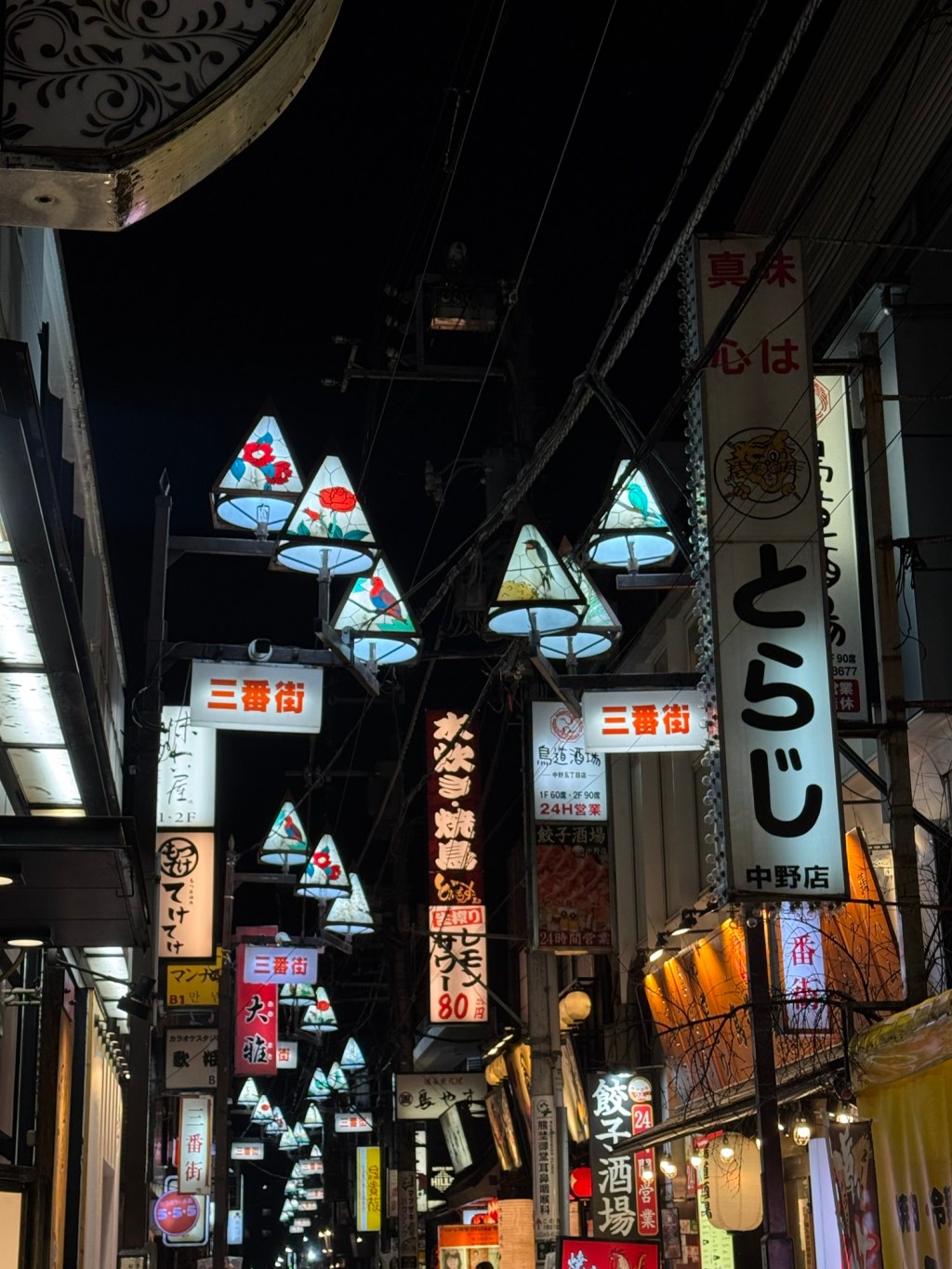
If you’ve visited Tokyo before, then you know how overloaded your senses can become after just an hour inside its hectic maze. There is, seemingly, a business to match every step taken – how does one choose where to go? There is no solid blueprint, but I do know that the best finds come from spending all day on your feet, traversing subway lines, and ducking into where your heart desires. Go where the crowds are, go where the crowds are not, and go up and down every nook/cranny. If that’s too type B, you can read about all my stops below to help facilitate your own trip.
**I highly recommend downloading the Suica card and adding it to your Apple Wallet (you do not need to do anything except for add a new card to Wallet; downloading an app or filling out forms online are not necessary). All public transport, as well as convenience stores take Suica. If you preload this before the start of your trip, you’ll be able to get by without any cash. Though, it is wise to always pull some cash out, in case of emergencies.**
***I also highly recommend stopping in as many Family Marts & 7/11 stores as you possibly can. There is no high quite like a well-organized convenience store with tea eggs, roasted sweet potatoes, fried chicken, strong coffee, flavored shochu, Pocari Sweat, and loads of vitamin drinks that aid in placebo recovery. Plus, it’s cheap as hell and so useful for how on-the-go Japan is. Do not leave without trying as many types of melon bread as you can.
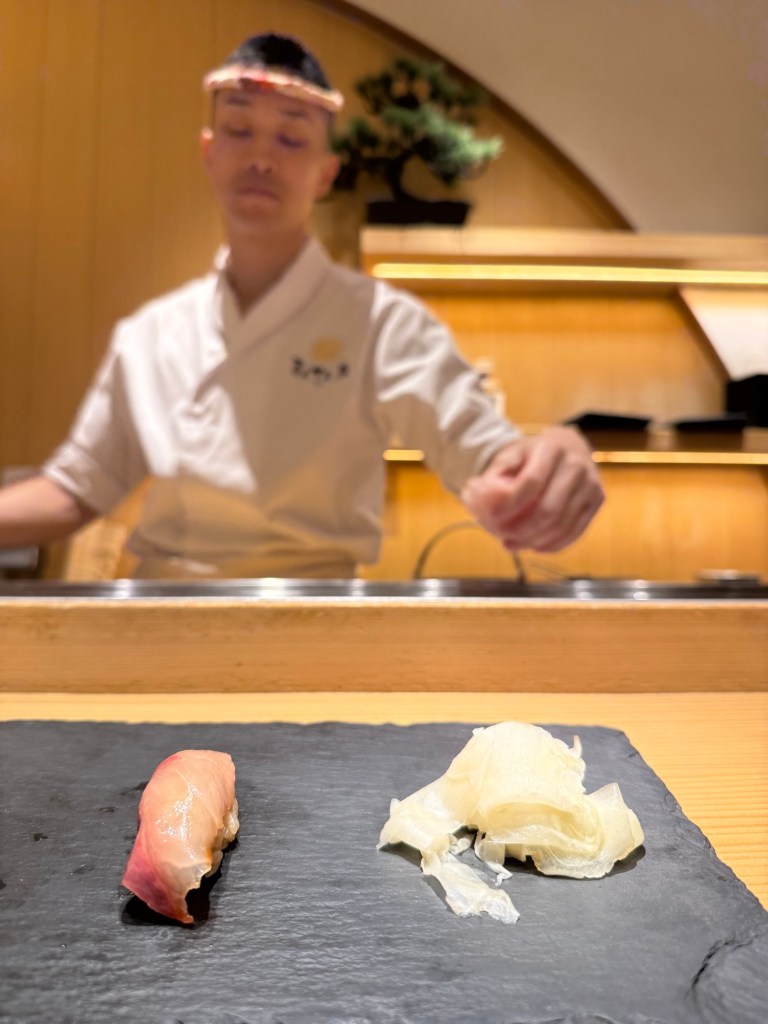
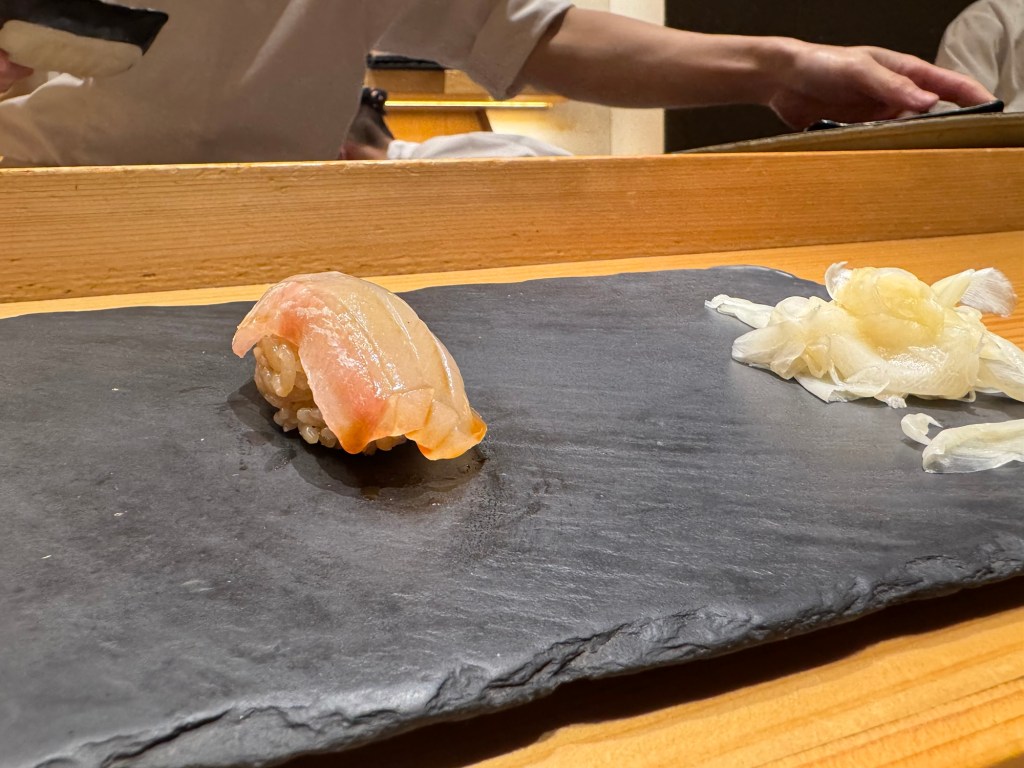
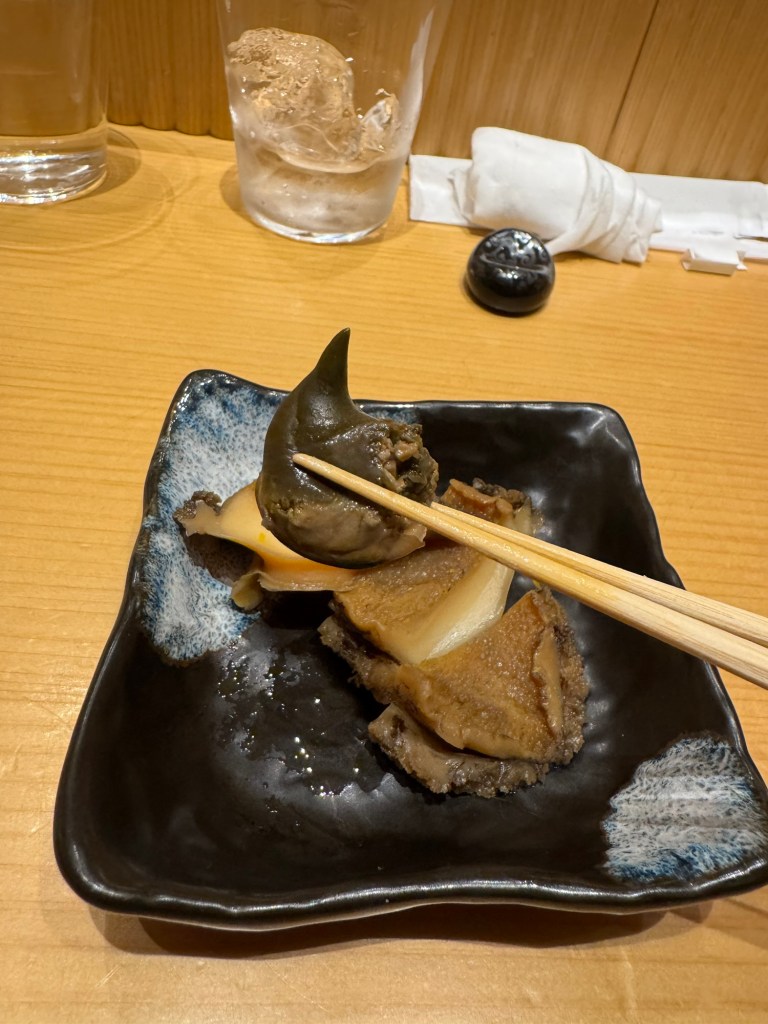
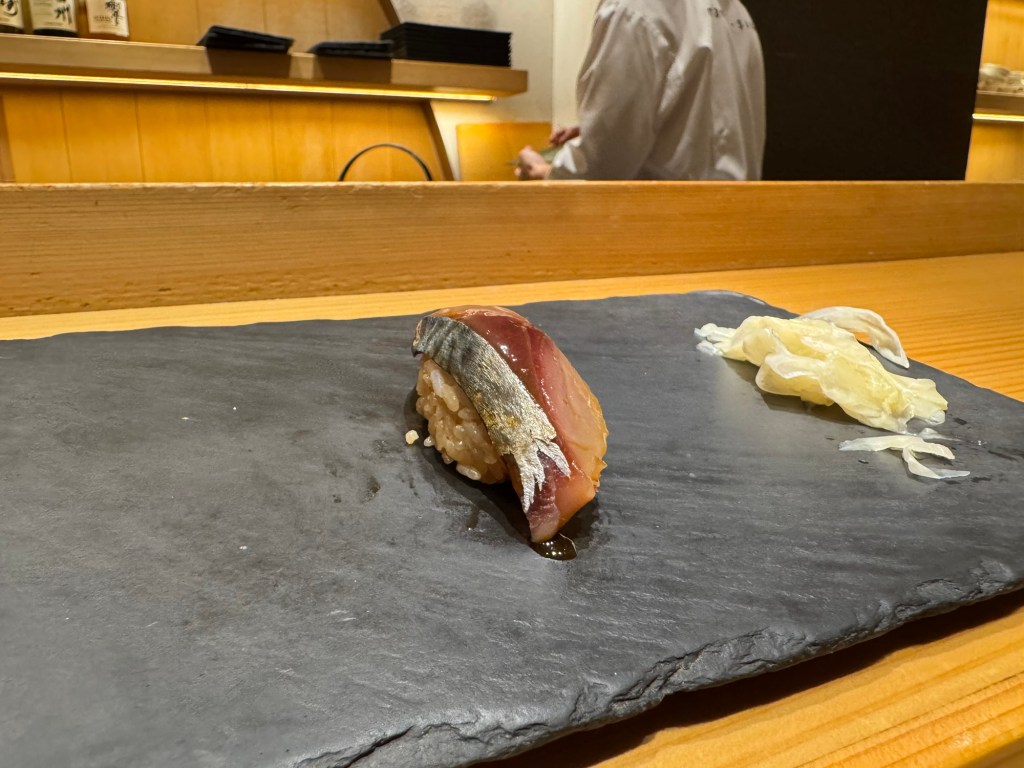
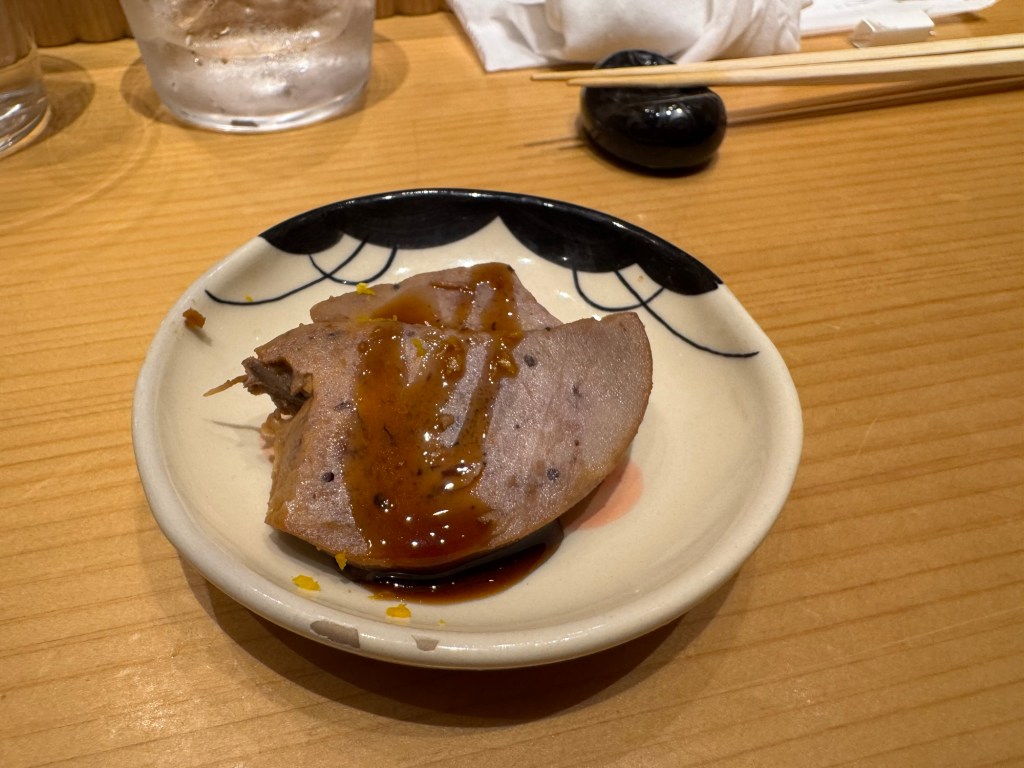
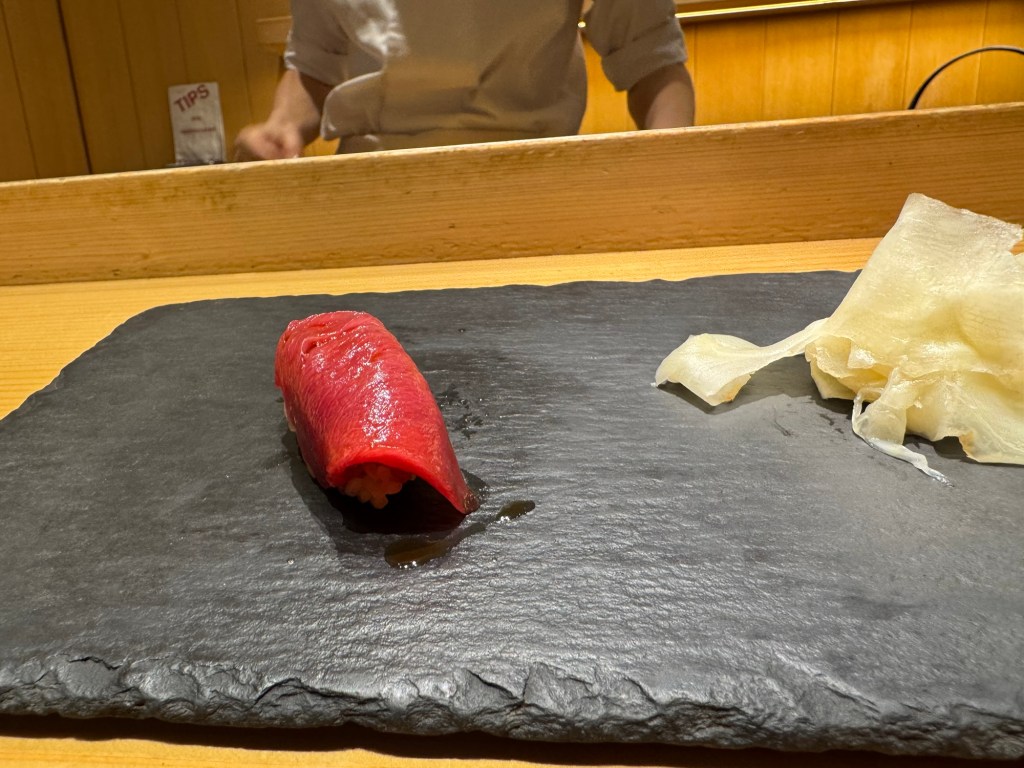
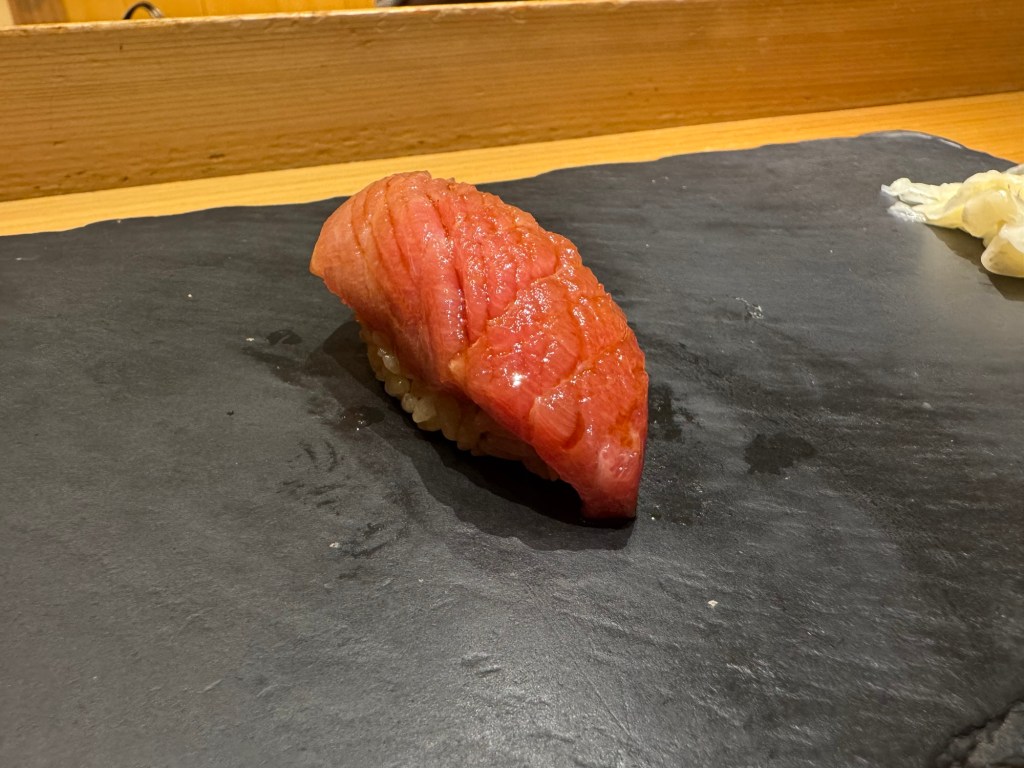
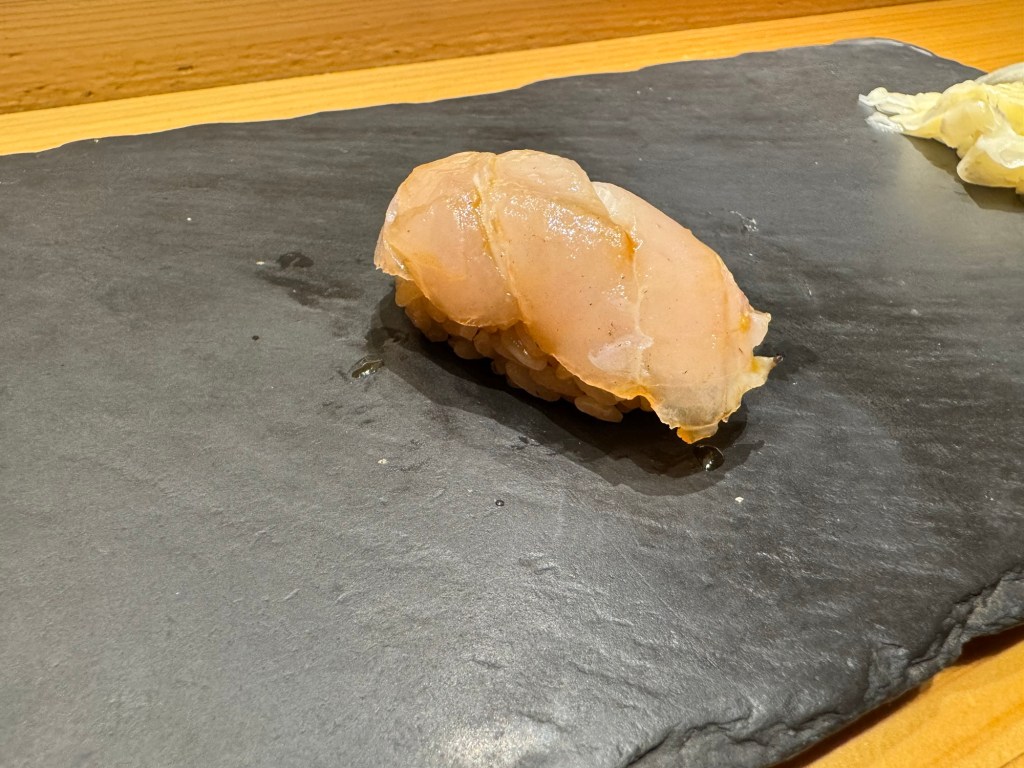
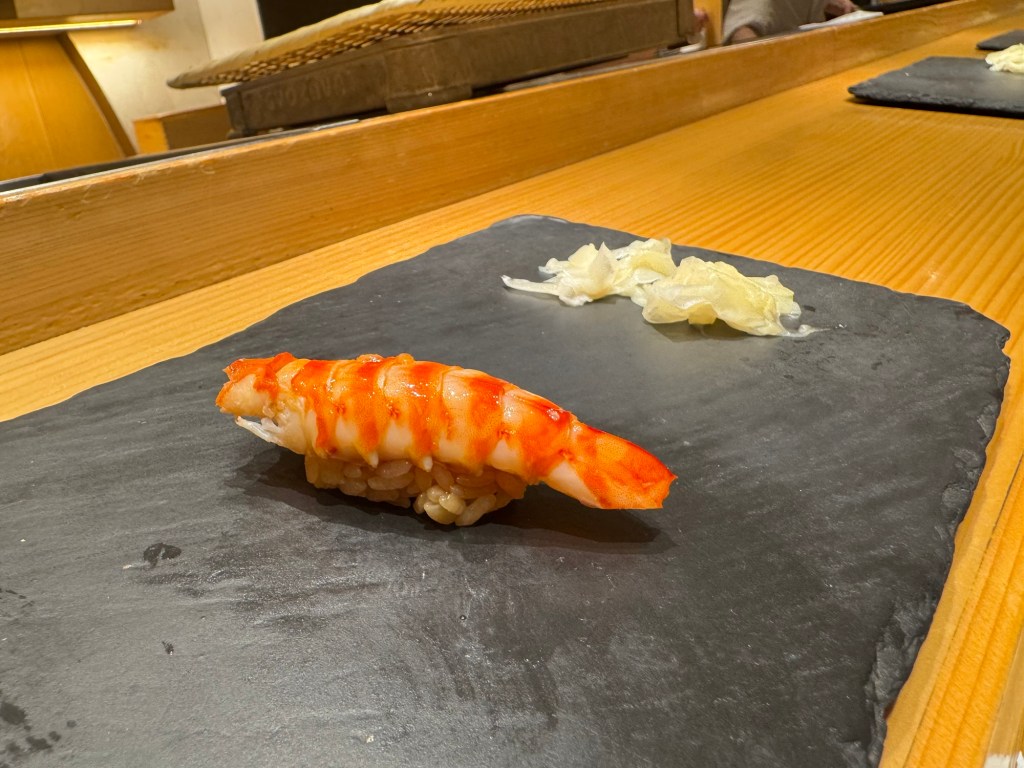
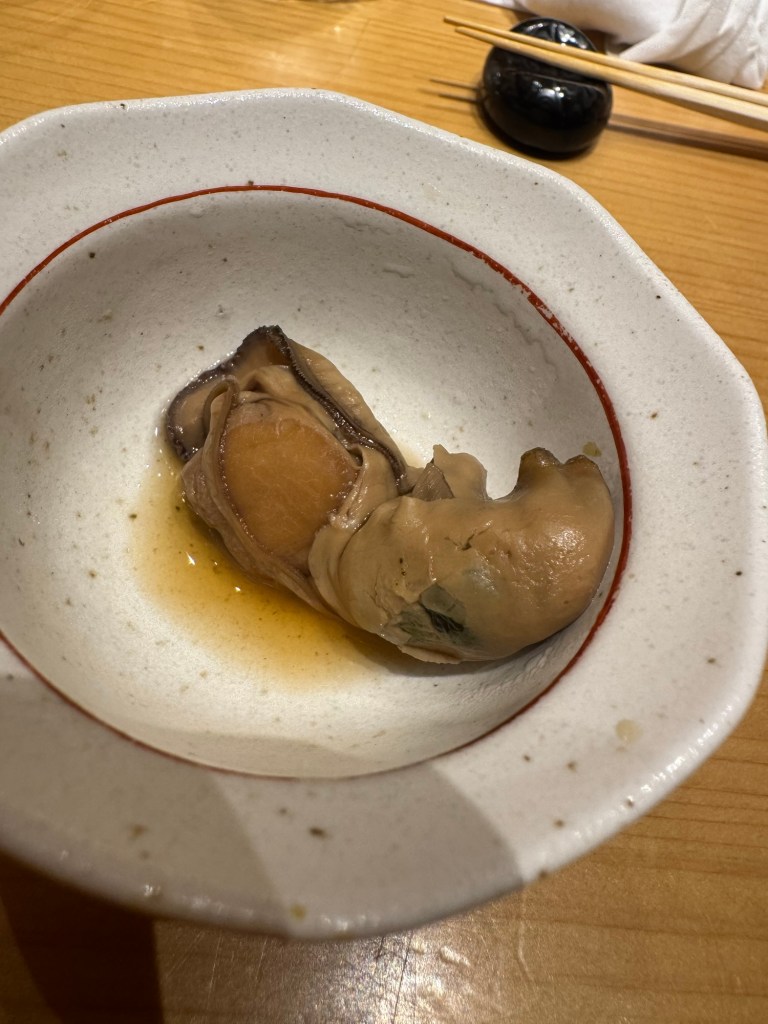
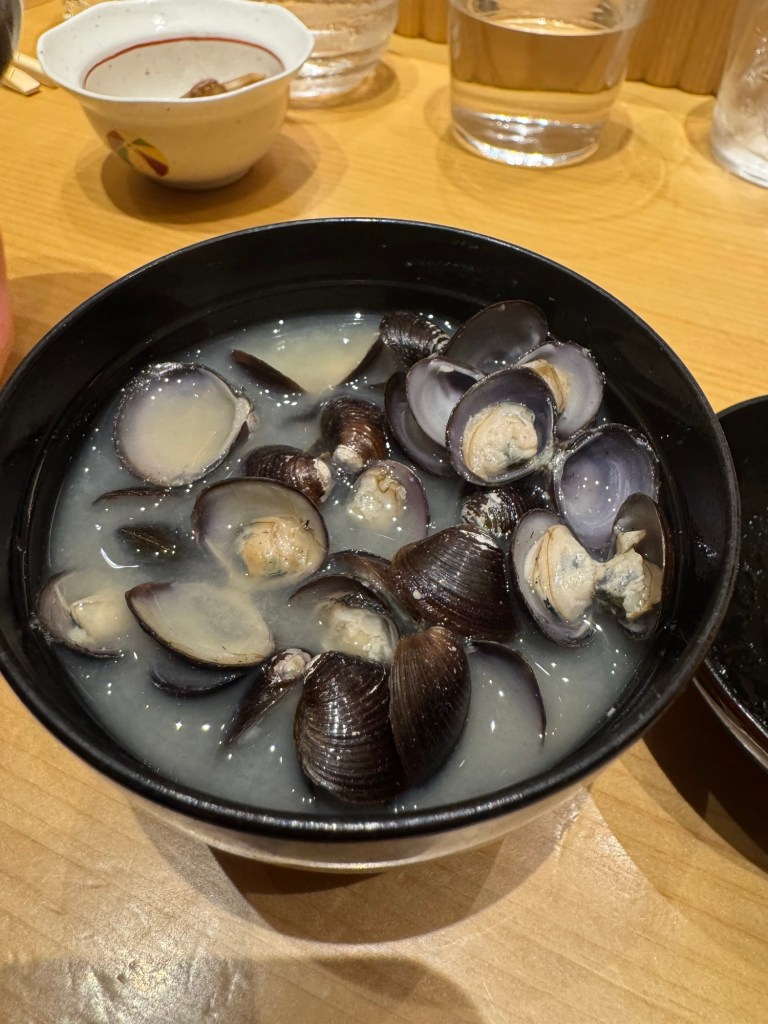
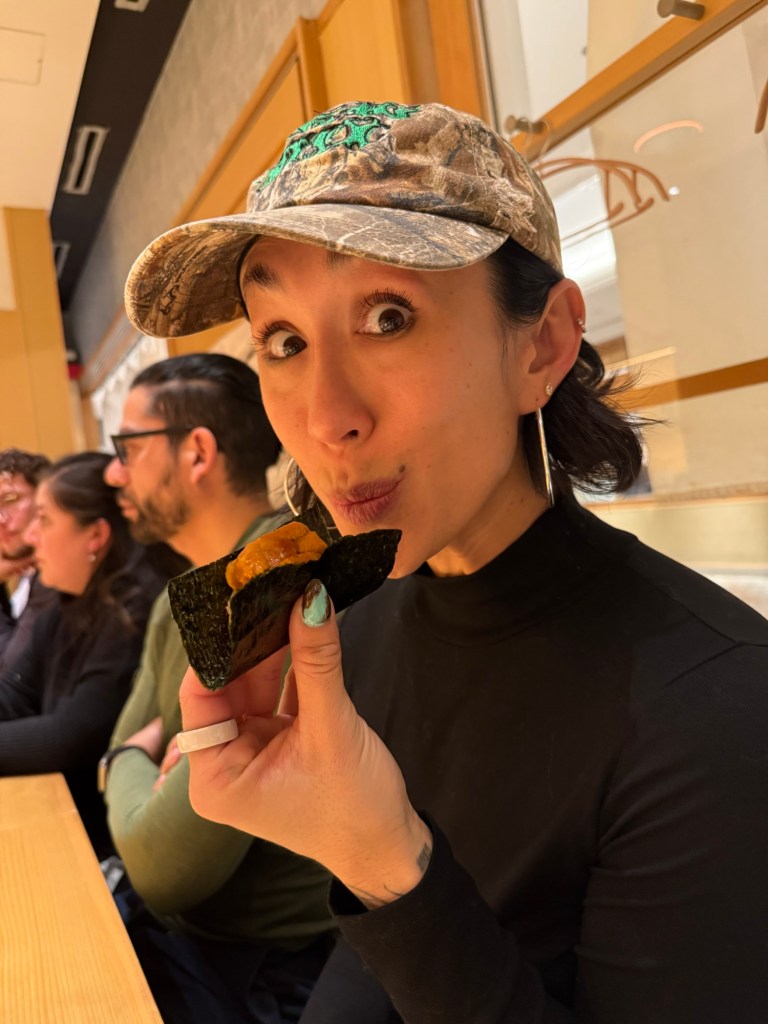
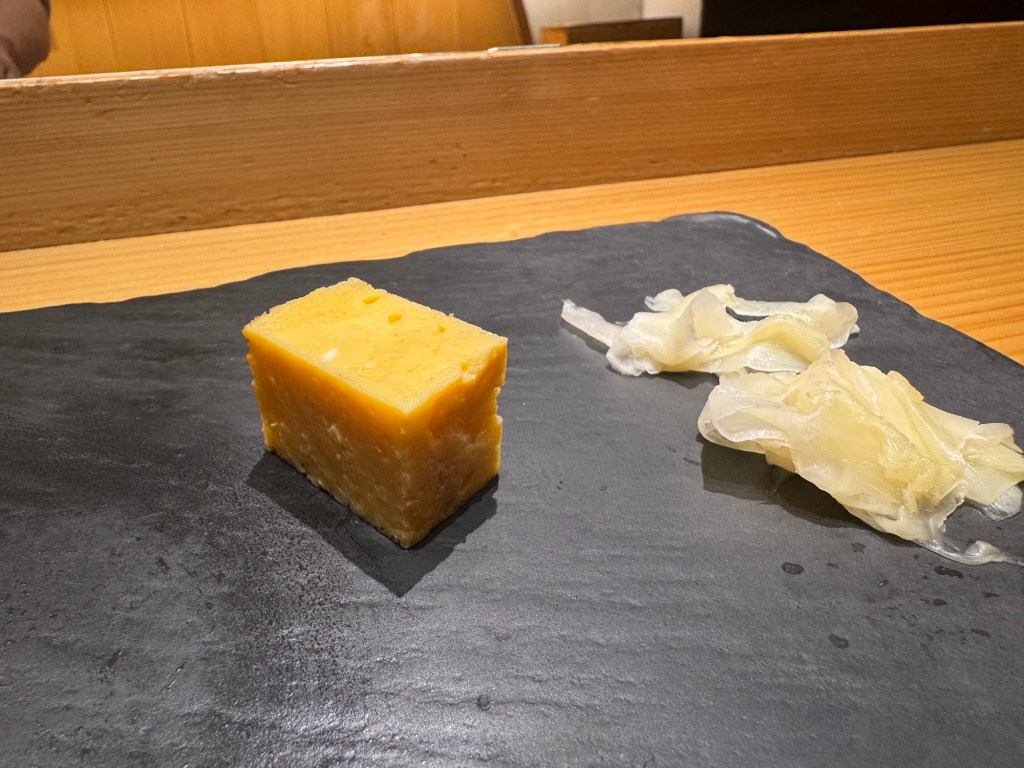
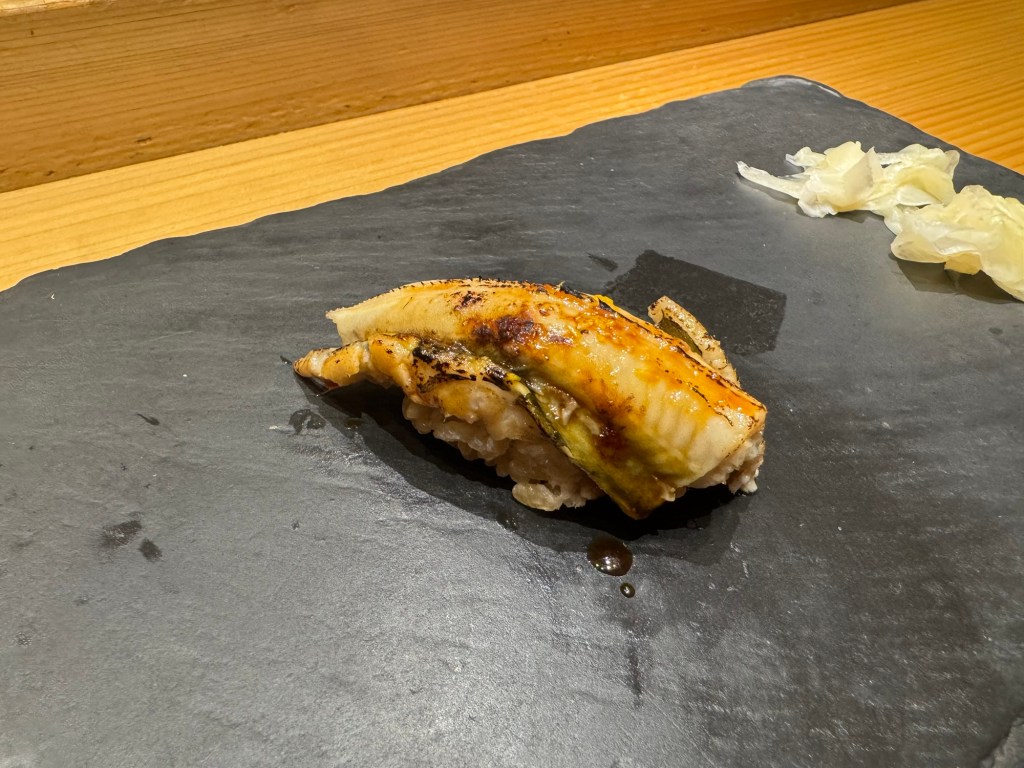
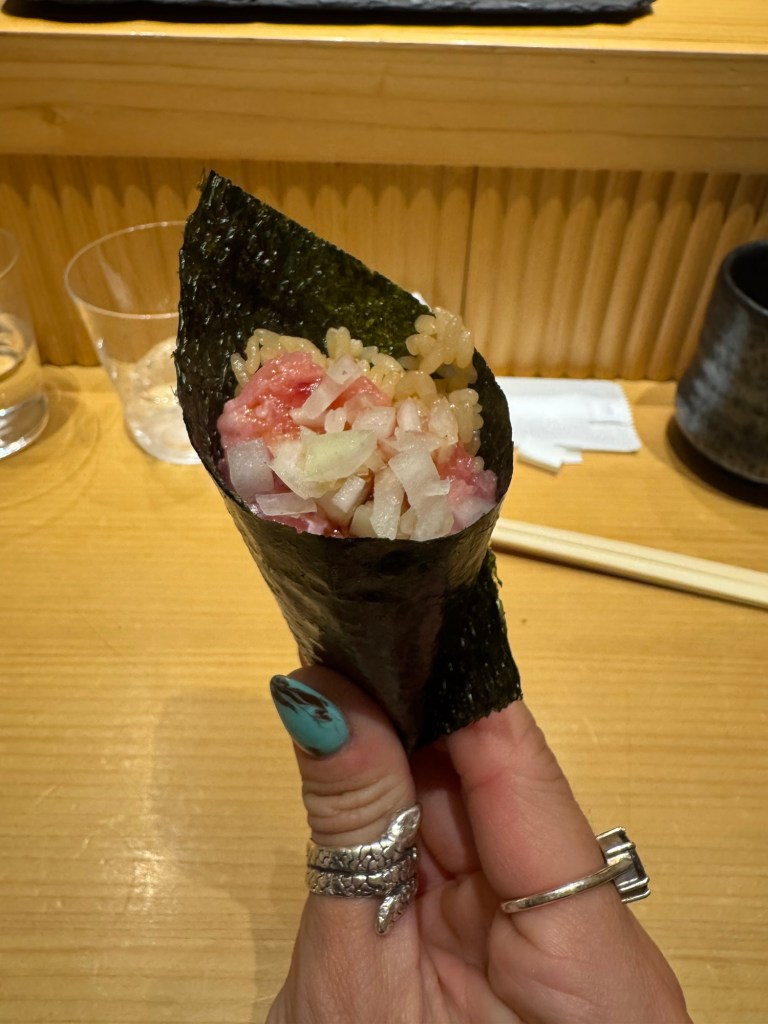
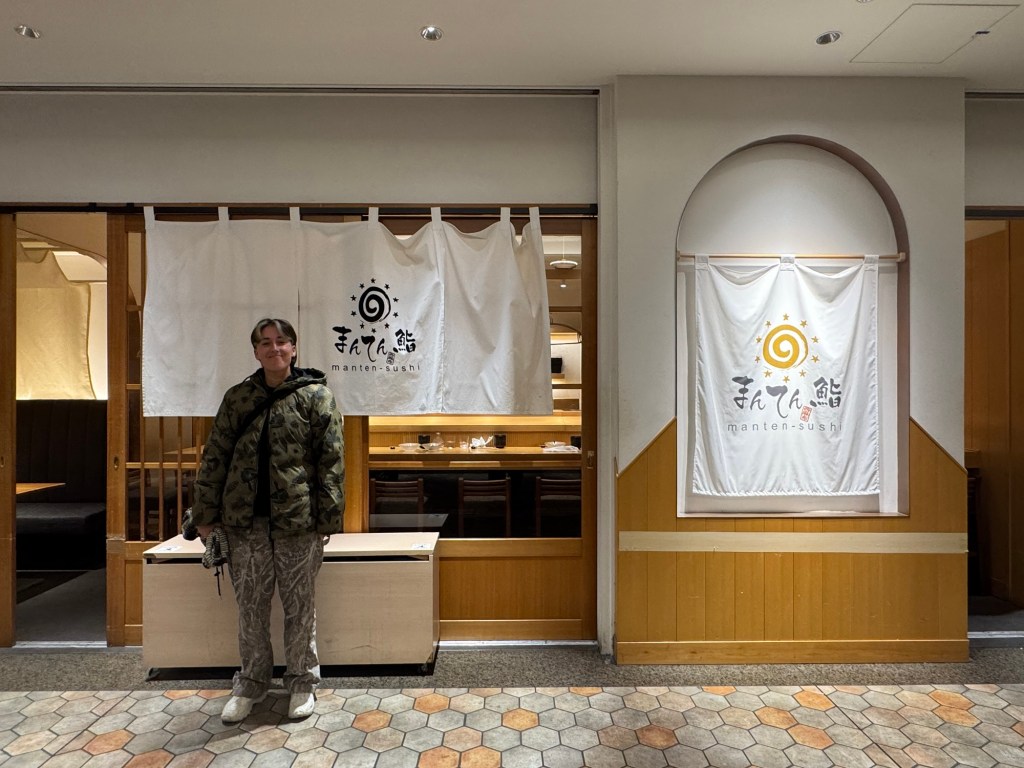
A good friend recommended this affordable, multi-course sushi experience, and I cannot rave enough about our meal. With only thirteen seats available, make sure to book far enough in advance, or risk never getting to do this ever in your life!!! And what kind of life would you be living without top notch omakase?!
Once seated, the staff will take your drink orders, before the master chefs begin preparation. I opted for an imo shochu (sweet potato clear liquor), which has the ABV of about 38% – one glass should last the entire meal. There are also N/A beverages, beers, whiskey, and wine available.
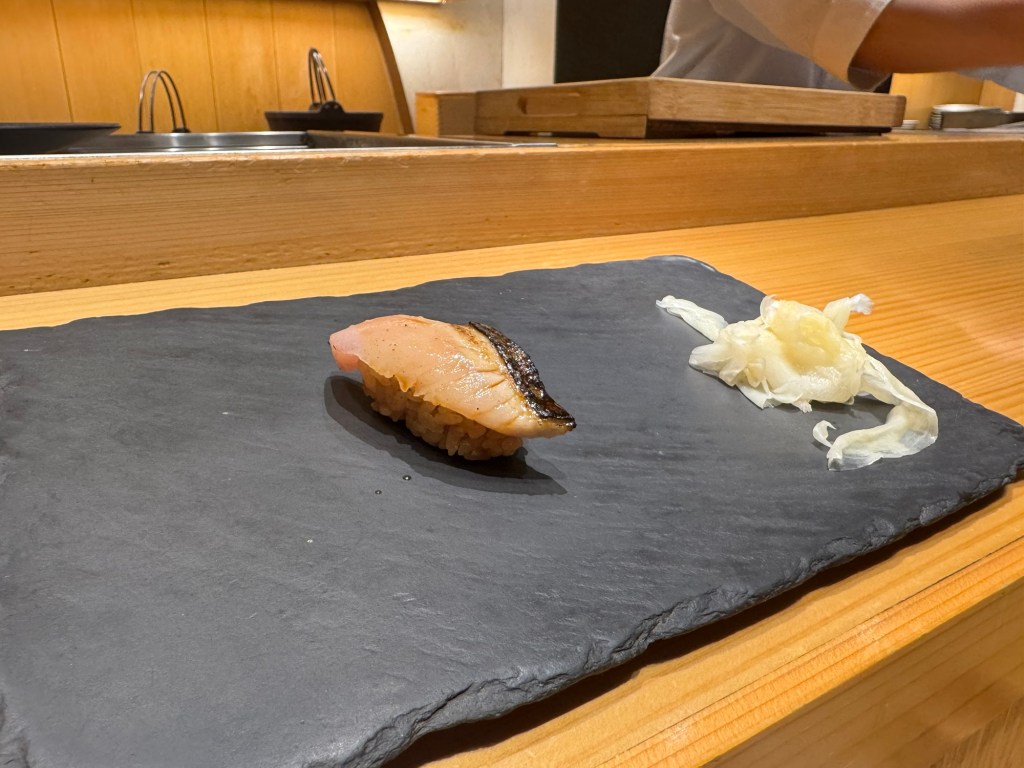
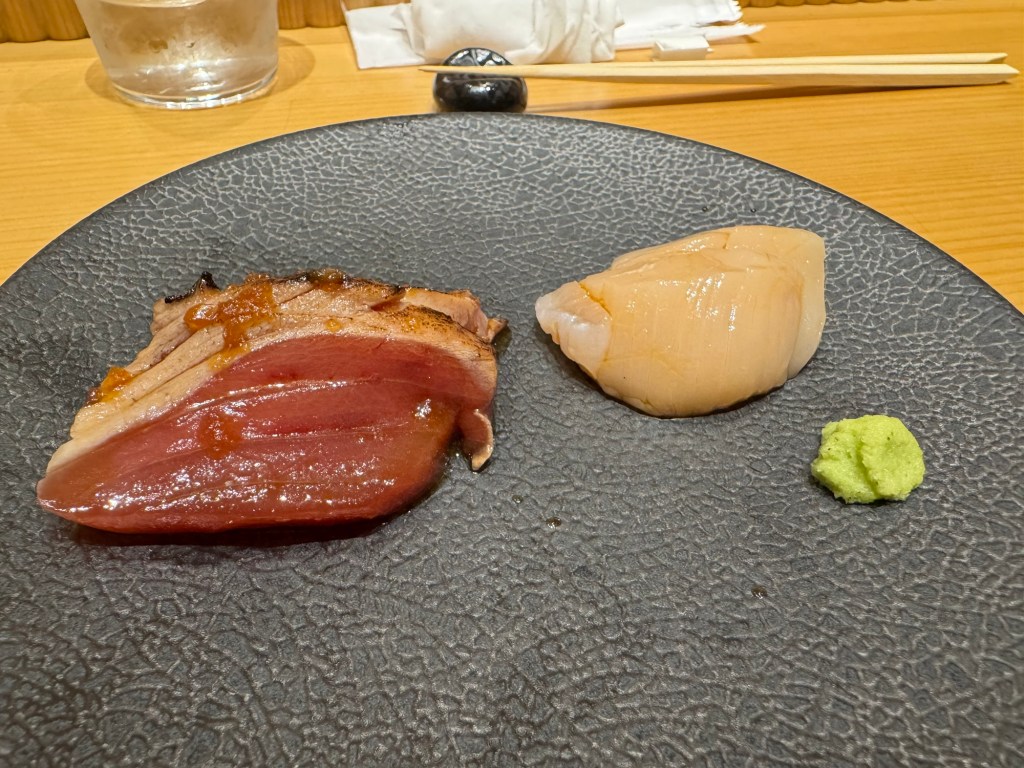
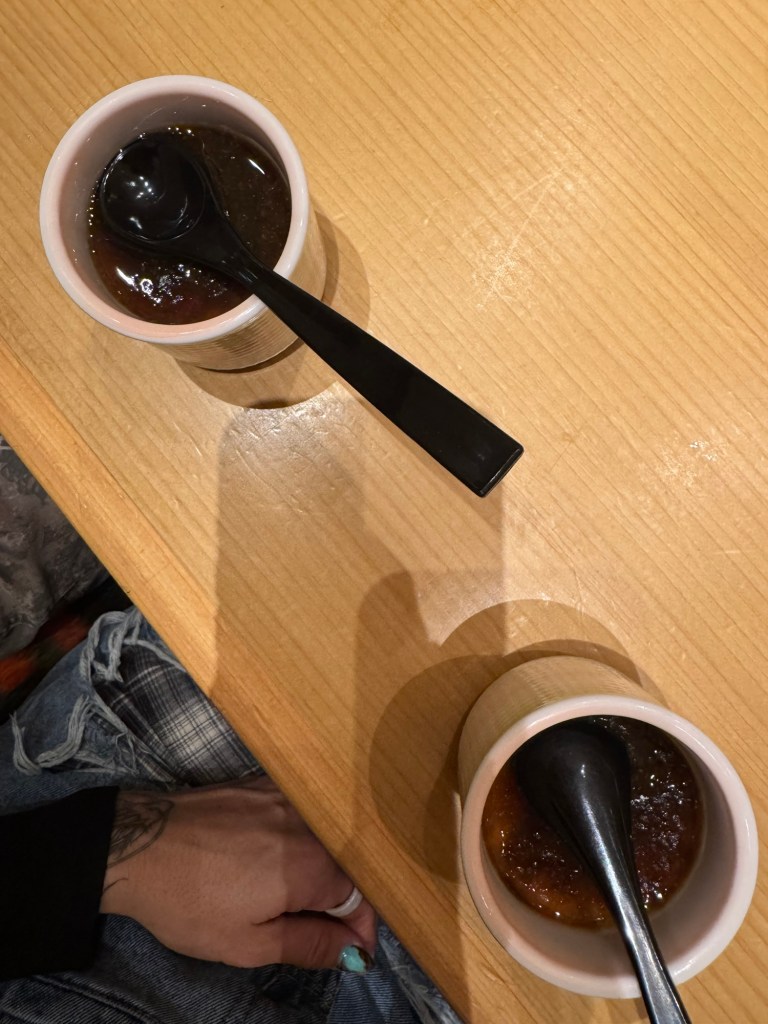
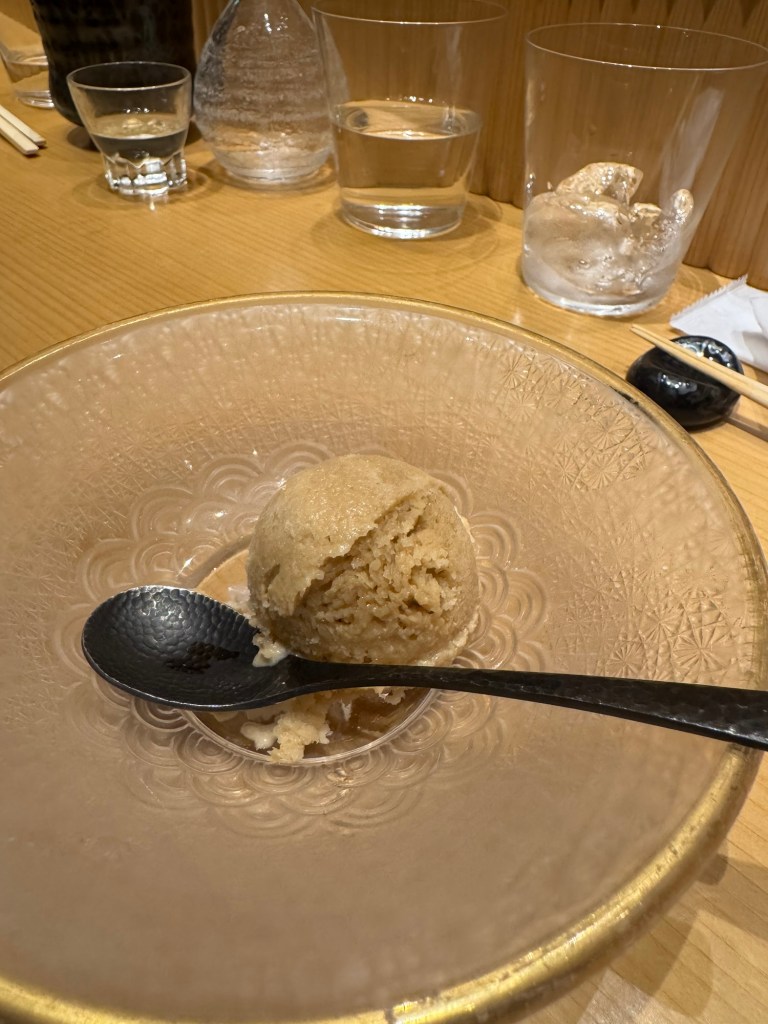
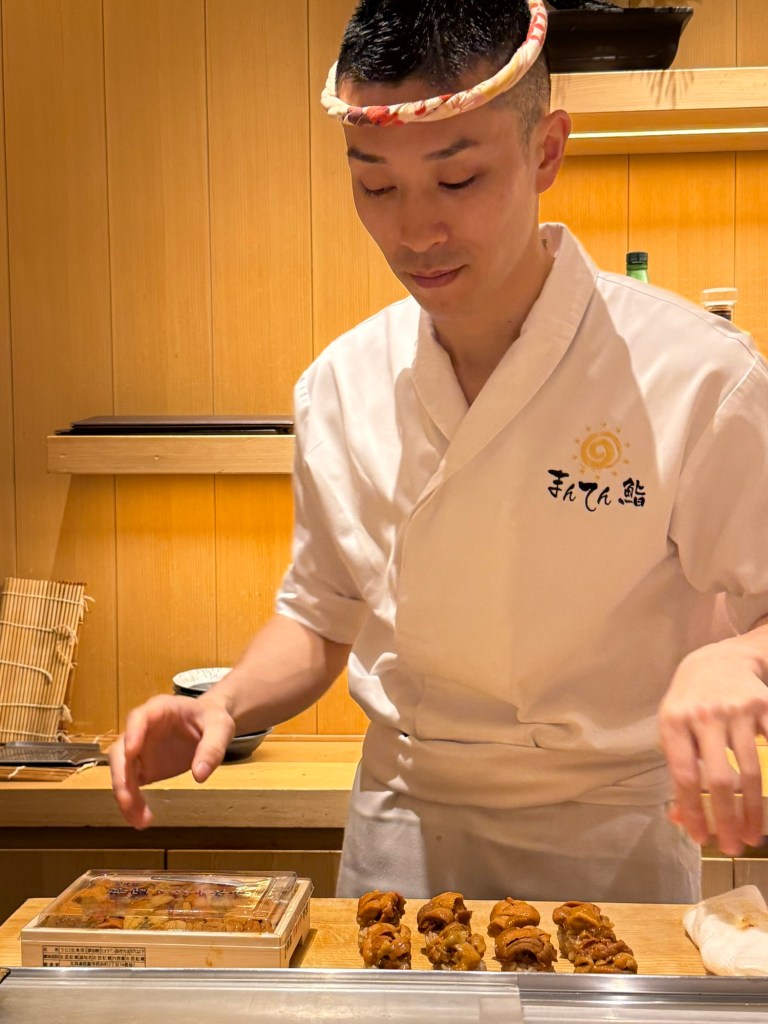
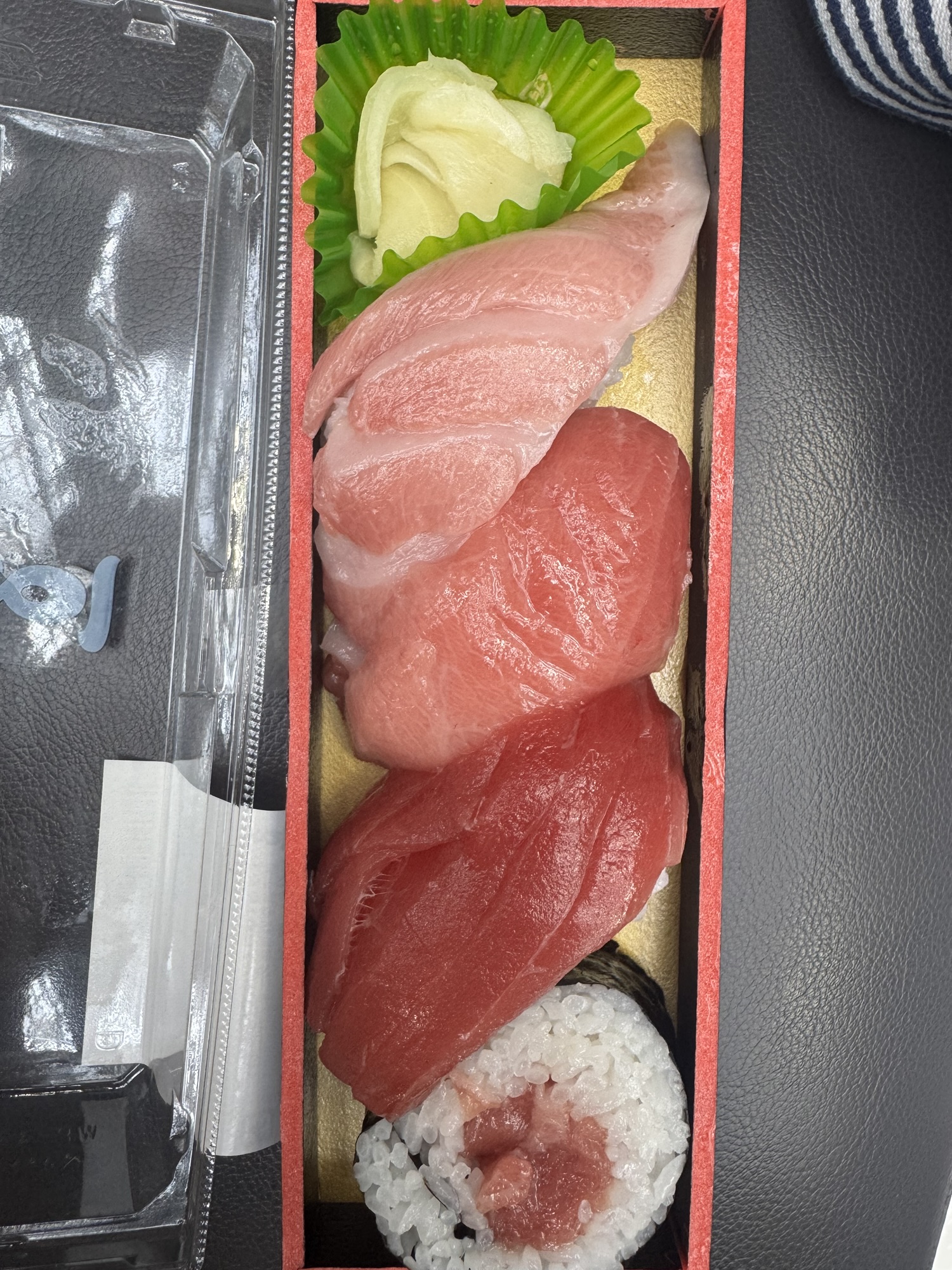
Right at the start of drink delivery, the sushi itamae get to work within feet of you. All courses (except the green tea) are featured below. My personal favorites were the monkfish liver and the uni (I’m a slut for sea urchin).
Our total bill, including drinks, was roughly $120 USD. This literally does not exist in the states. 200/10 recommend.
teamLab BORDERLESS, Tokyo, Azabudai Hills
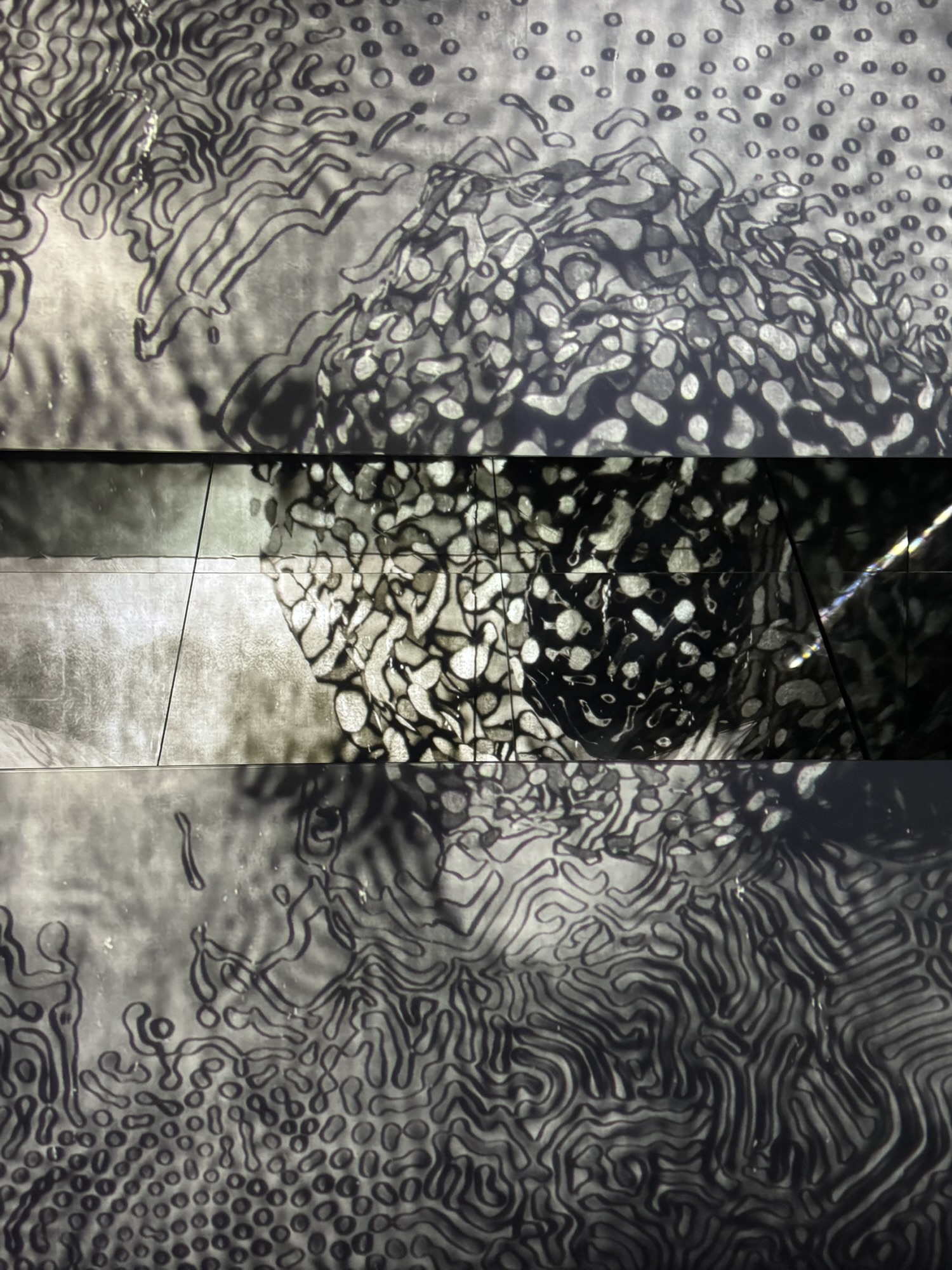
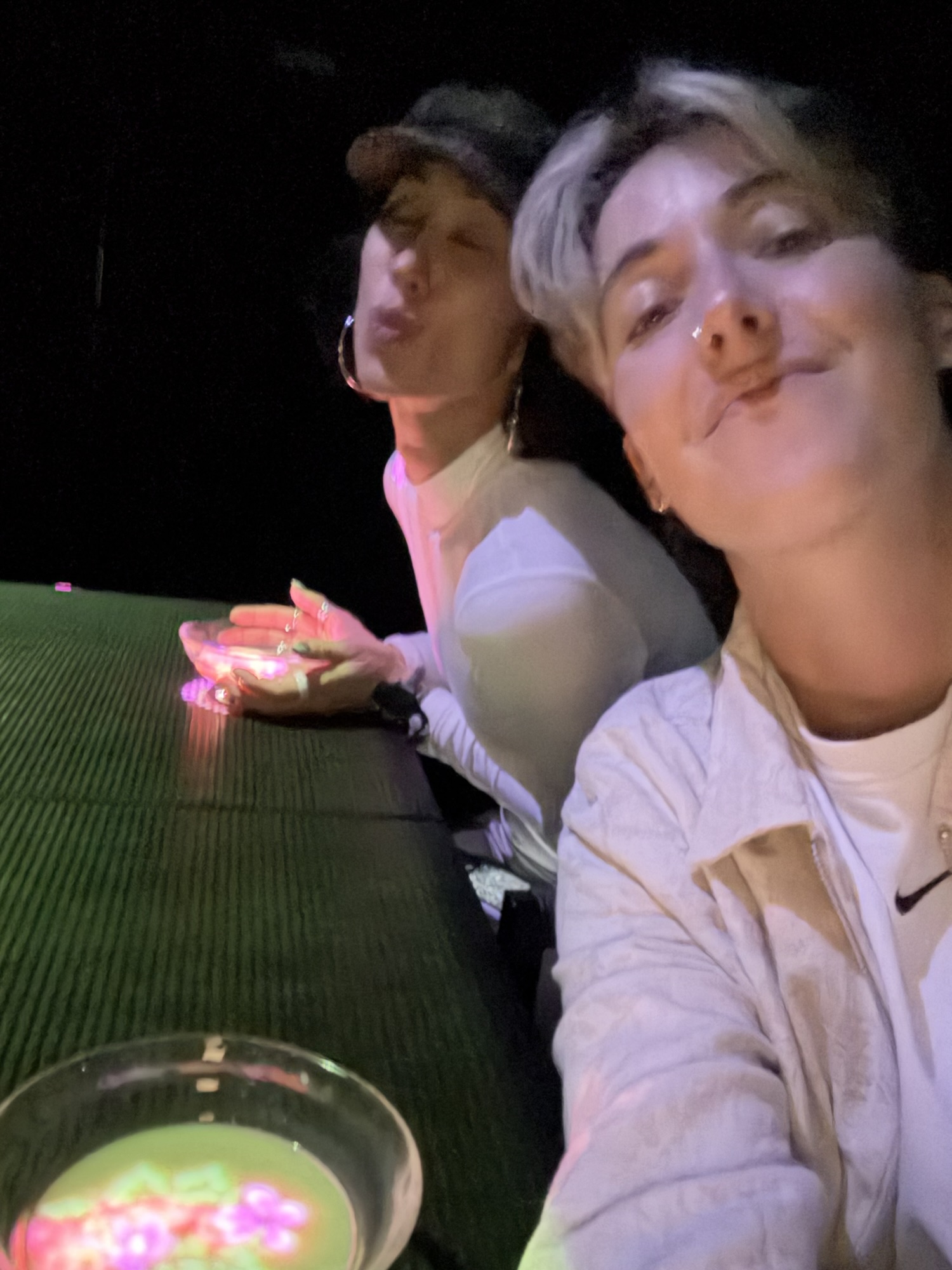
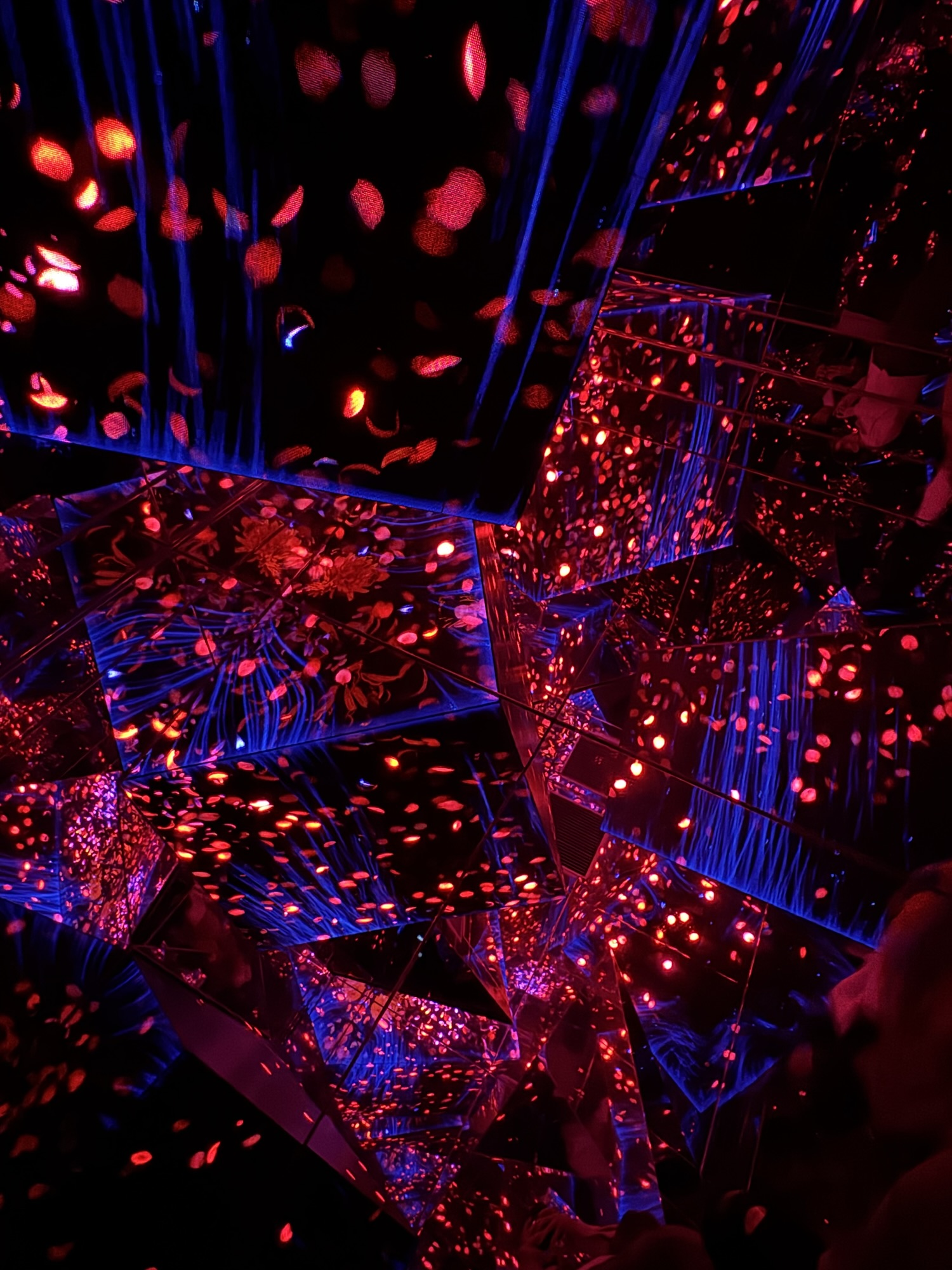
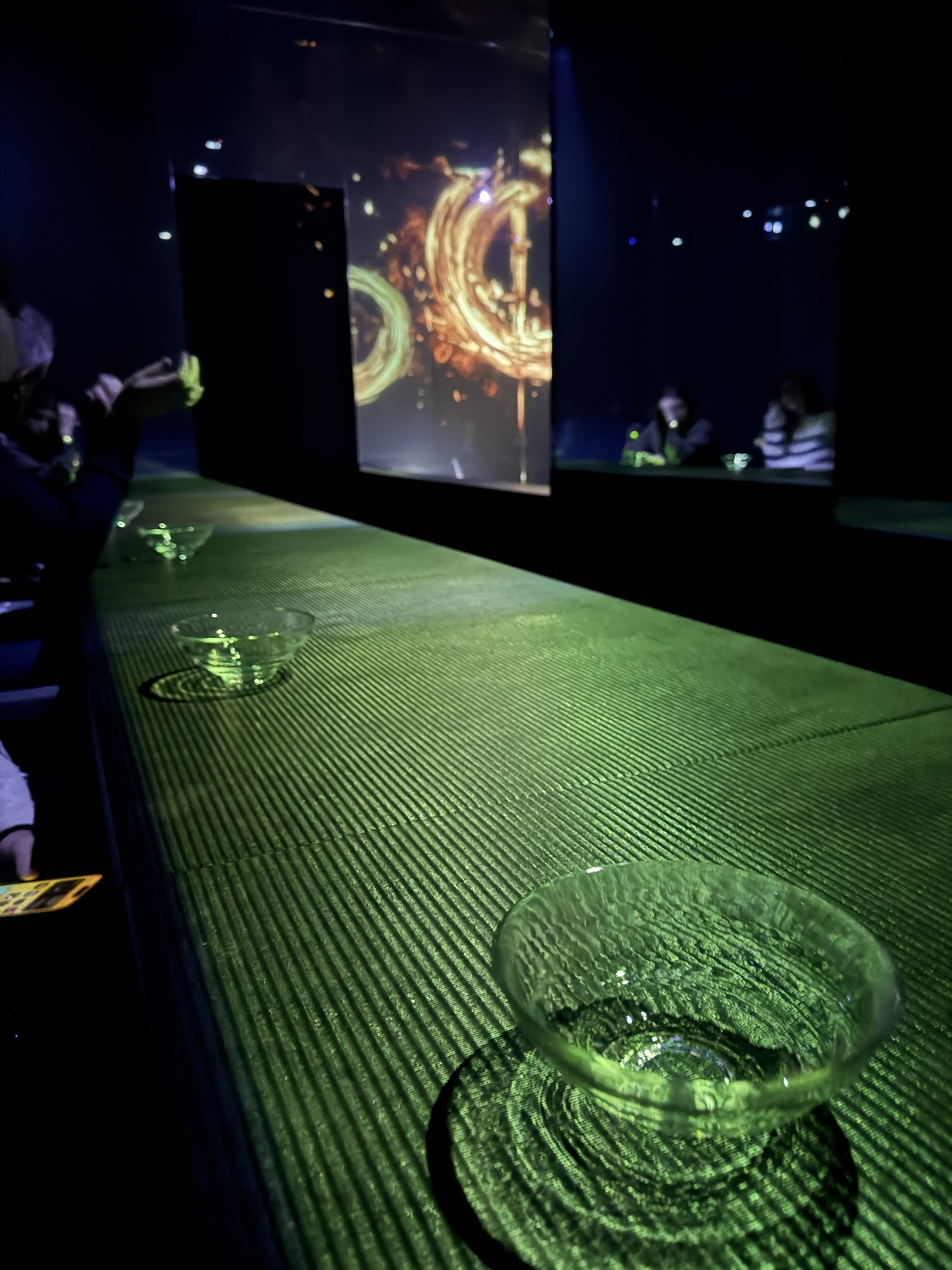
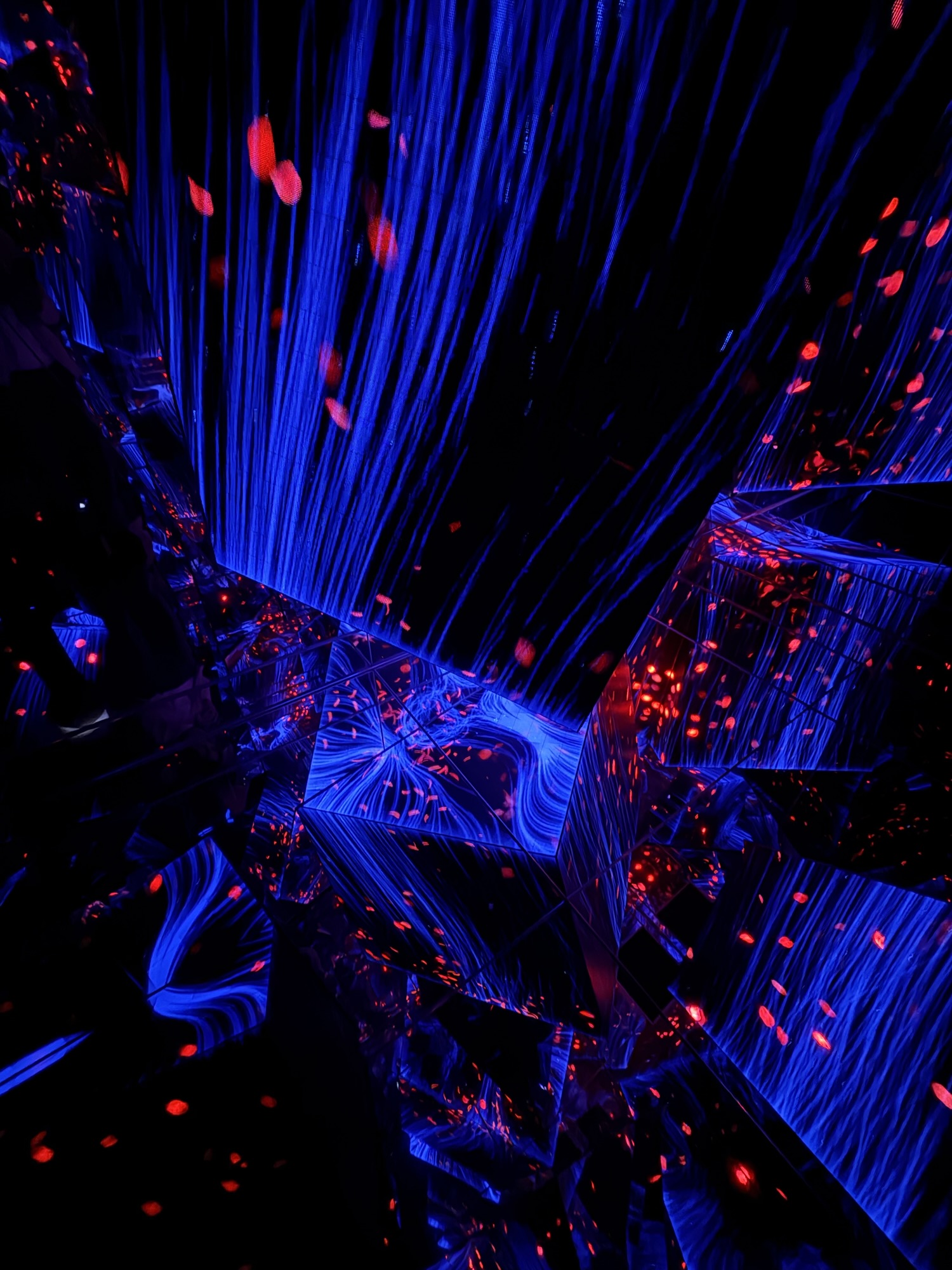
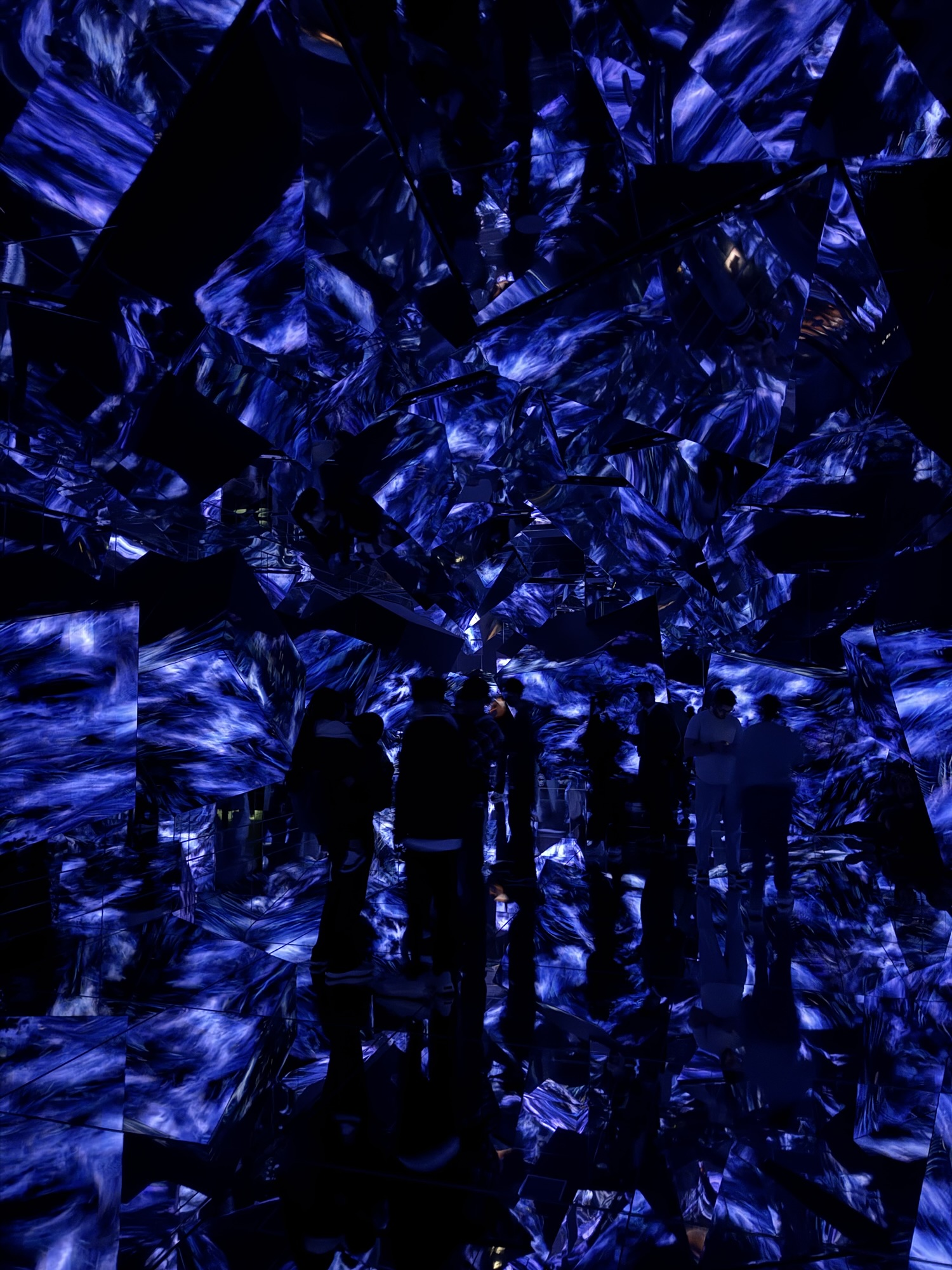
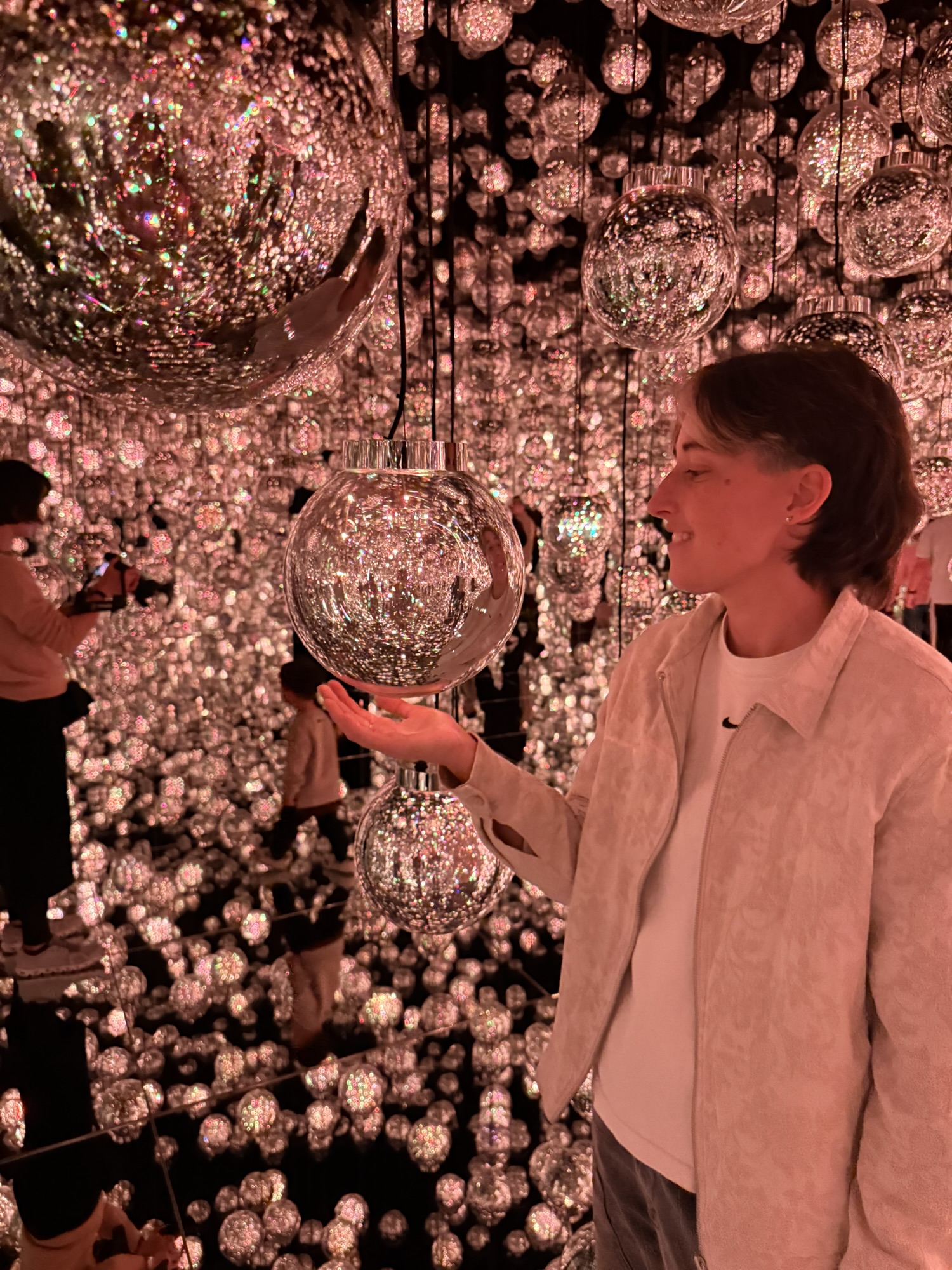
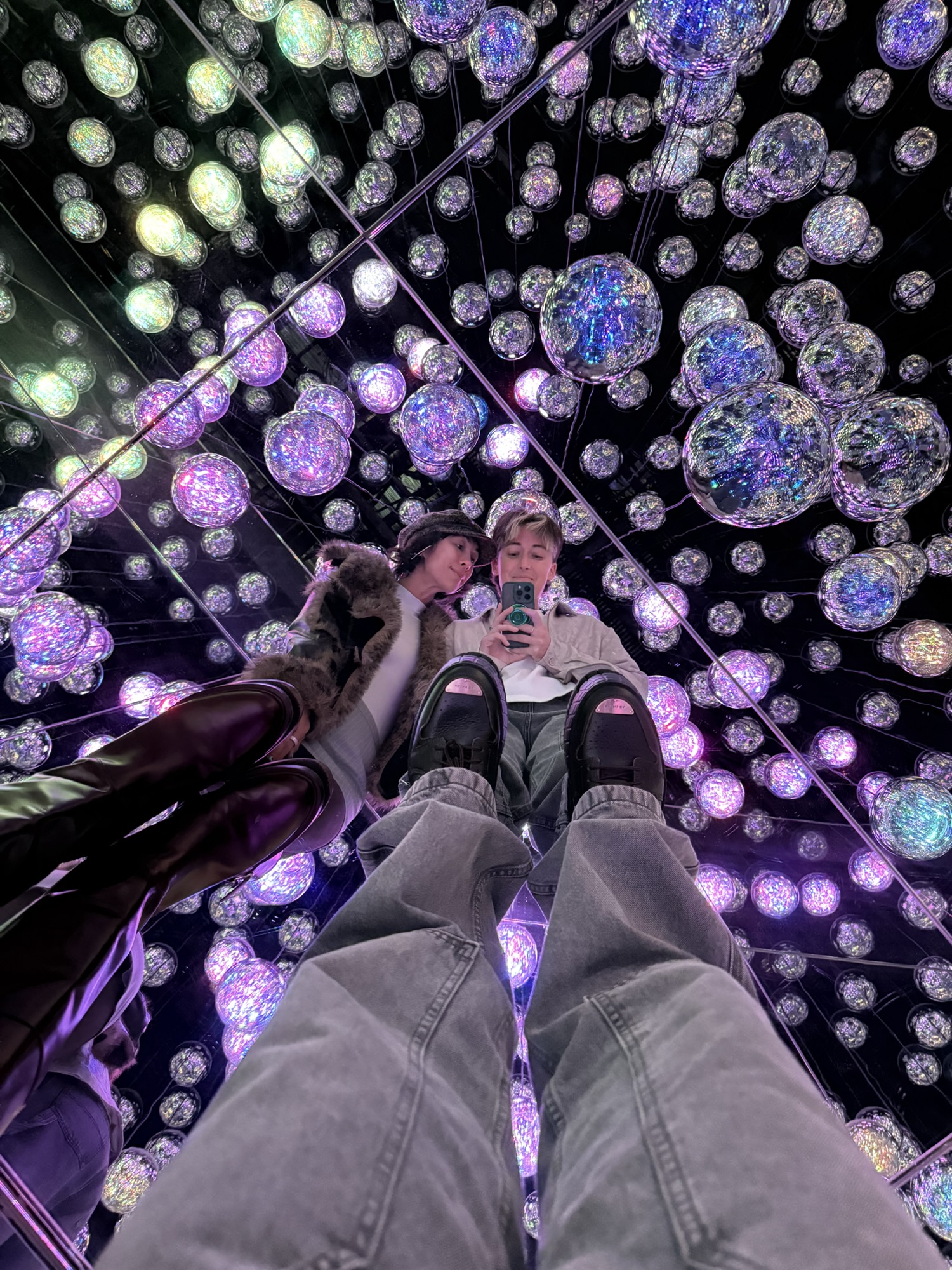
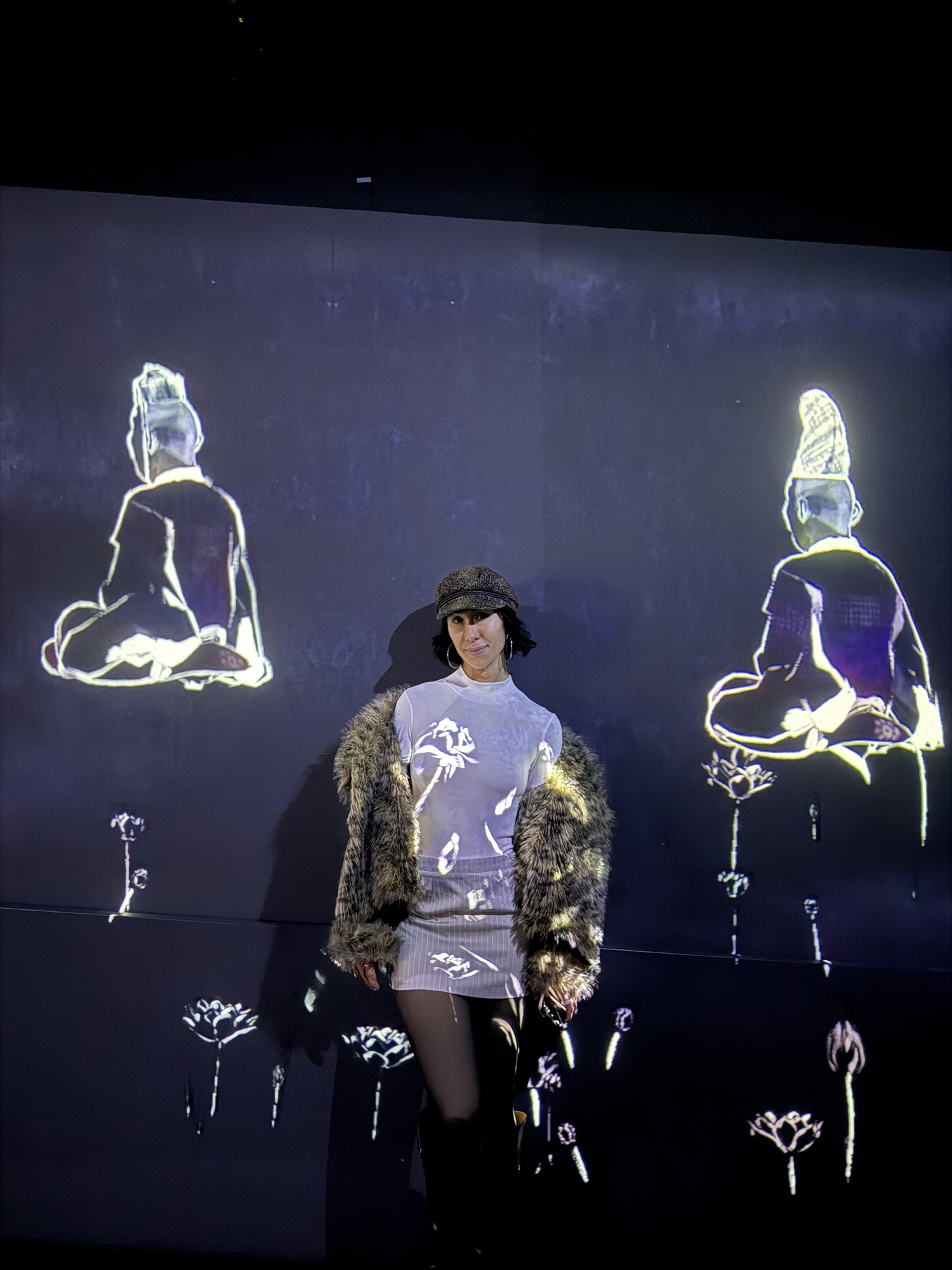
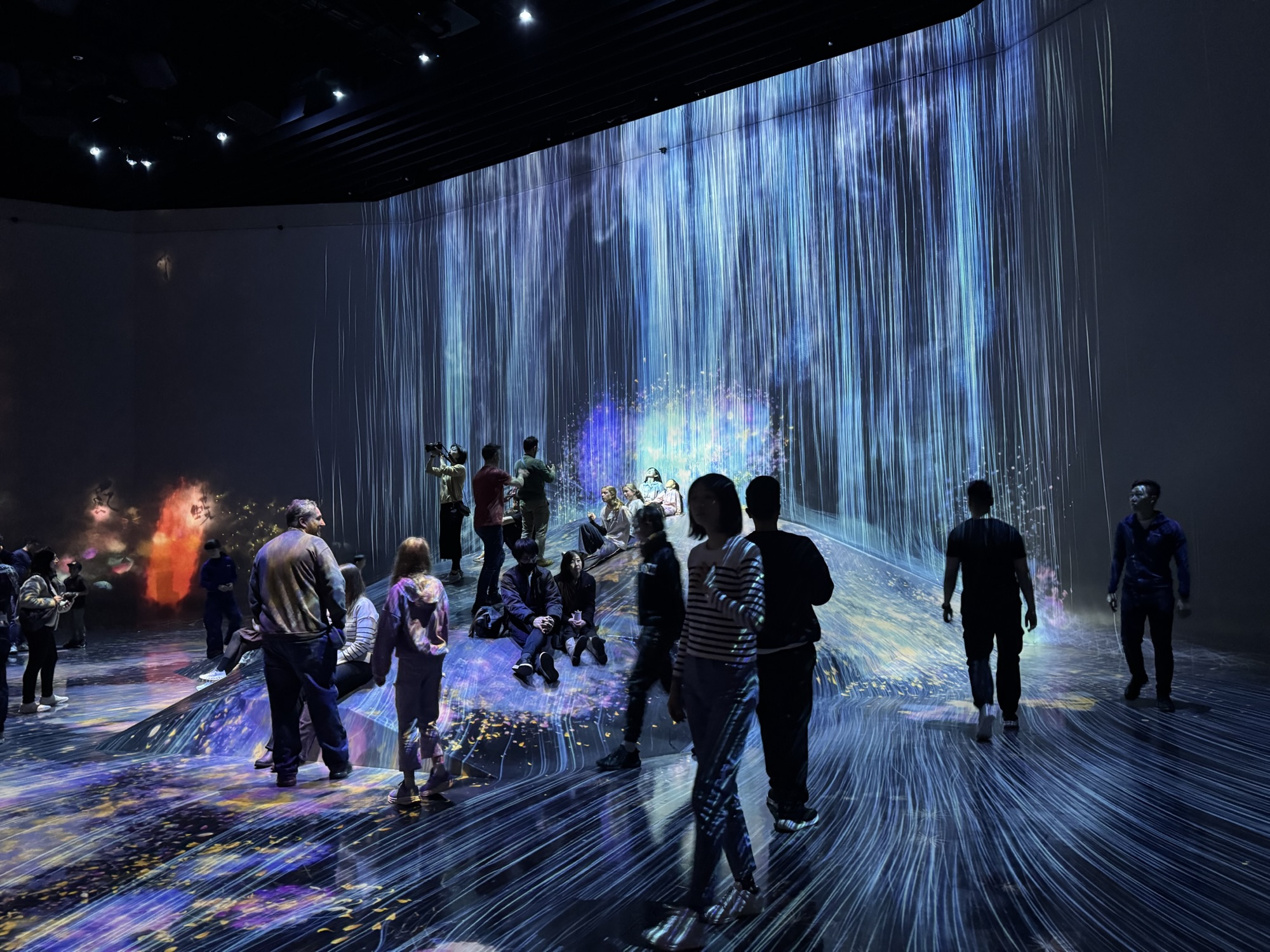
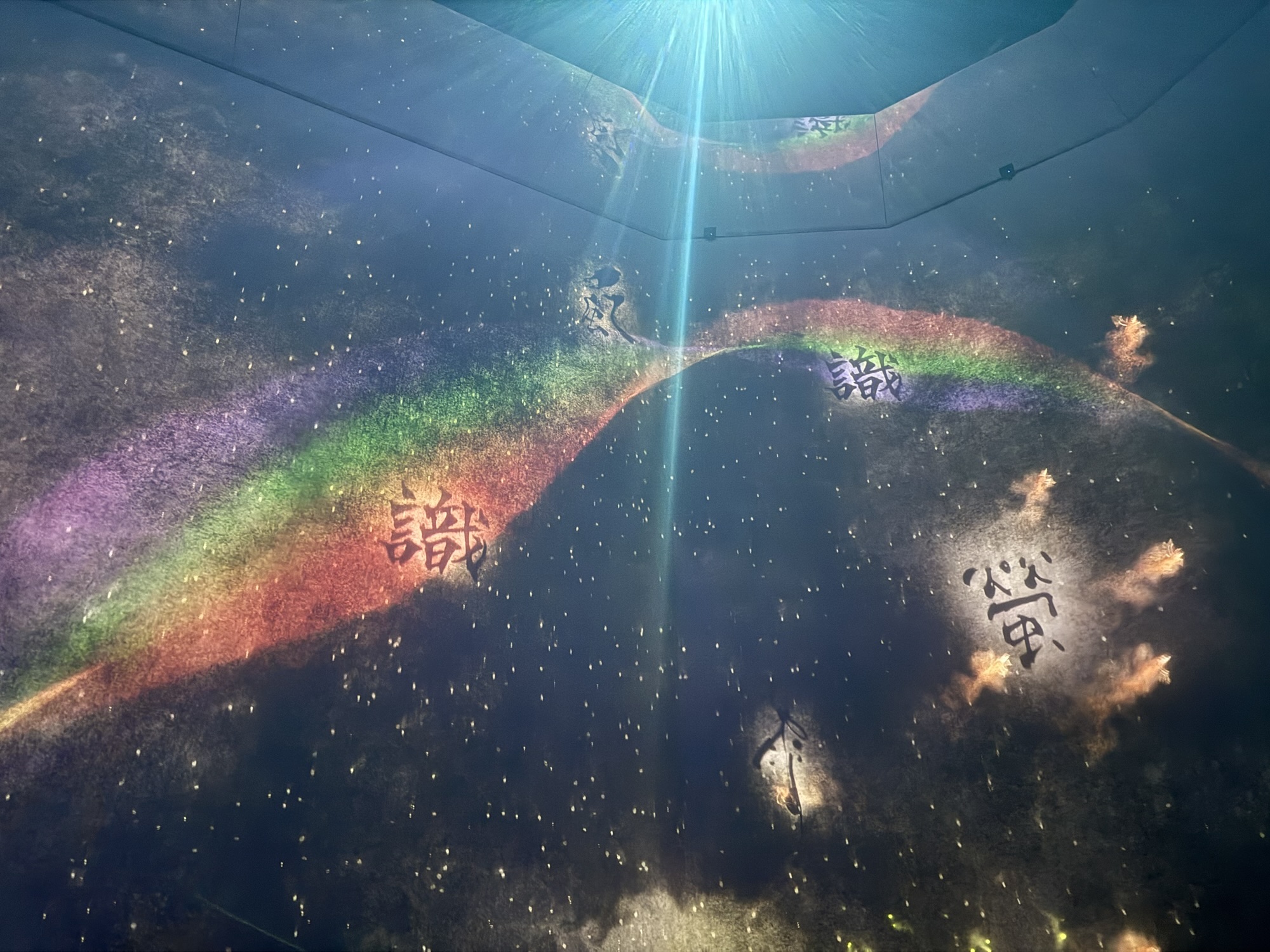
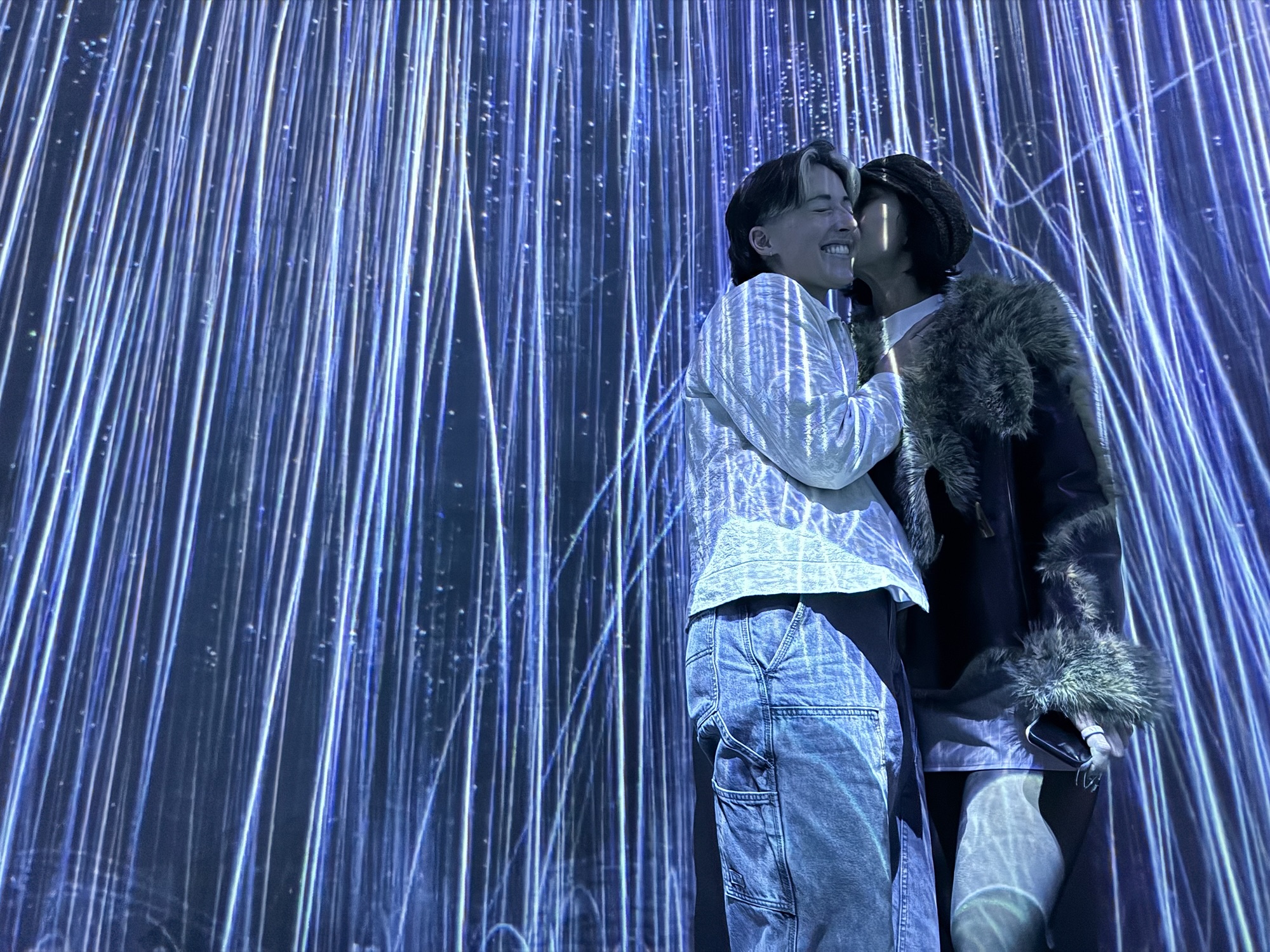
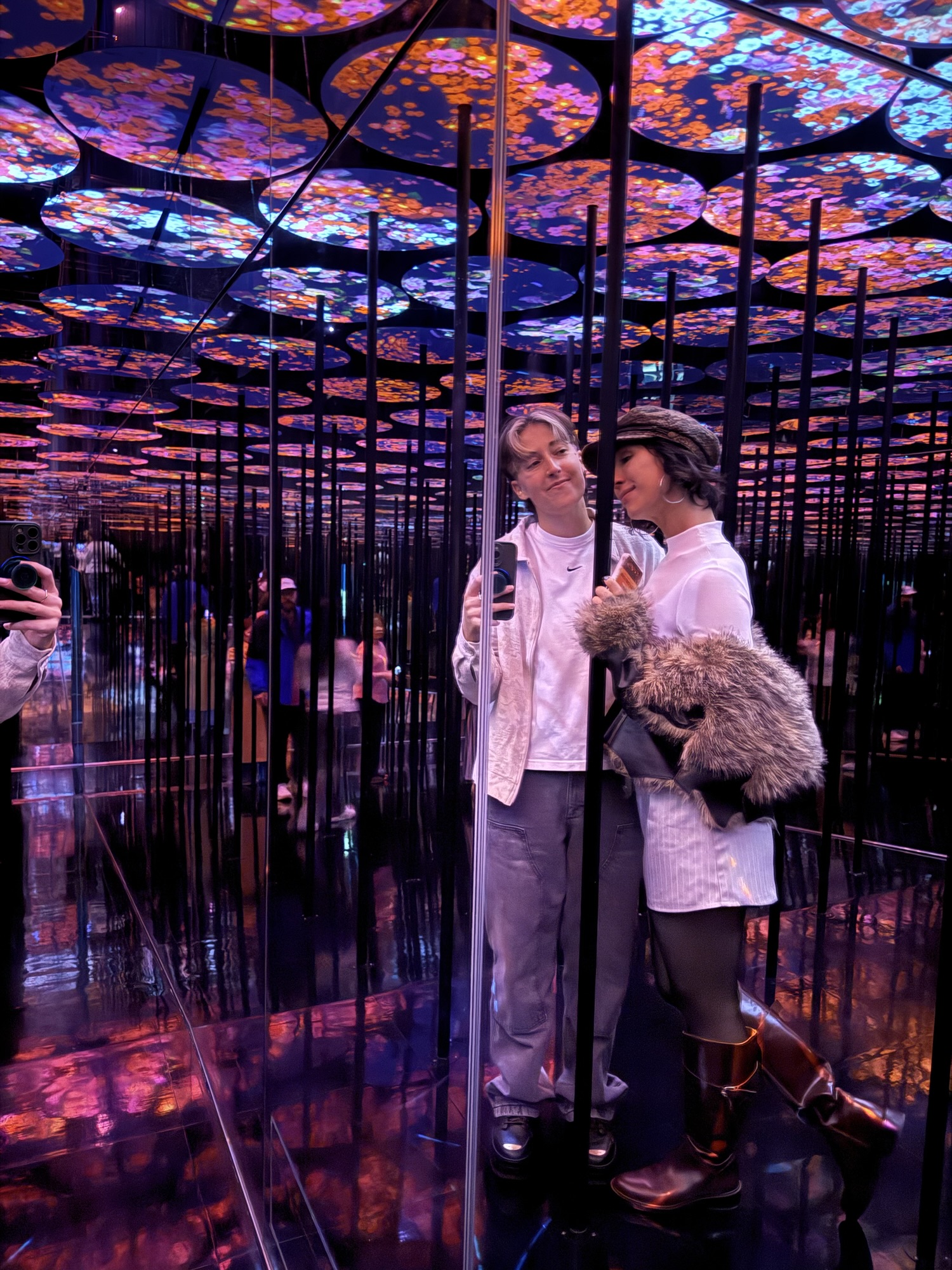
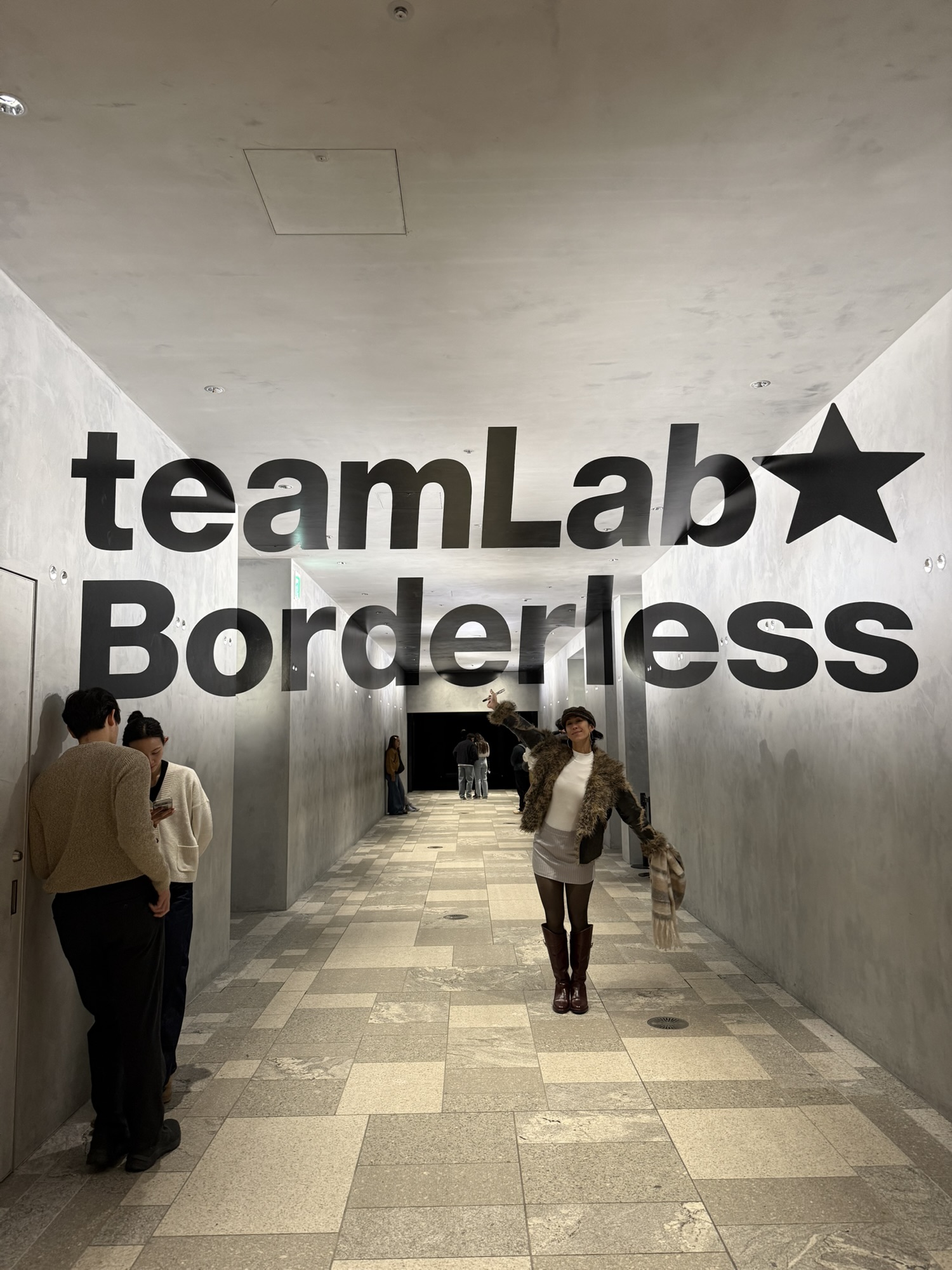
If you want to enjoy an immersive museum without having to put too much thought into the exhibits, teamLab Borderless is the perfect spot. Of the museums created in an age where getting the perfect photo is now a part of daily life, Borderless stands out (especially when compared to its other Tokyo exhibit: Planets).
Borderless can take as little as an hour or an entire day, depending on how lost you want to get. There are over 75 different concepts that, “move out of the rooms freely,” so you’ll miss out on a vibe if you leave before the artwork changes. Because it is all digital, the artwork descriptions are found via the app, which is downloaded prior to entering. You don’t have to download it, but it does allow the worlds to make a little more sense.
The standout exhibit for me is called, “The Way of the Sea: Cosmic Void,” which illusions to a space without ceilings and floors, and takes you on a personal journey through the cosmos; it was as if I was traveling through the beginnings of time, searching for the period in which we begin to breathe life (I don’t recommend if you get vertigo easily, I do recommend taking some psilocybin).
I also highly recommend the En Tea House, if you can find it, as an end to the exhibit. It’s a good way to rest your feet and reenergize before emerging back onto the busy streets of Tokyo.
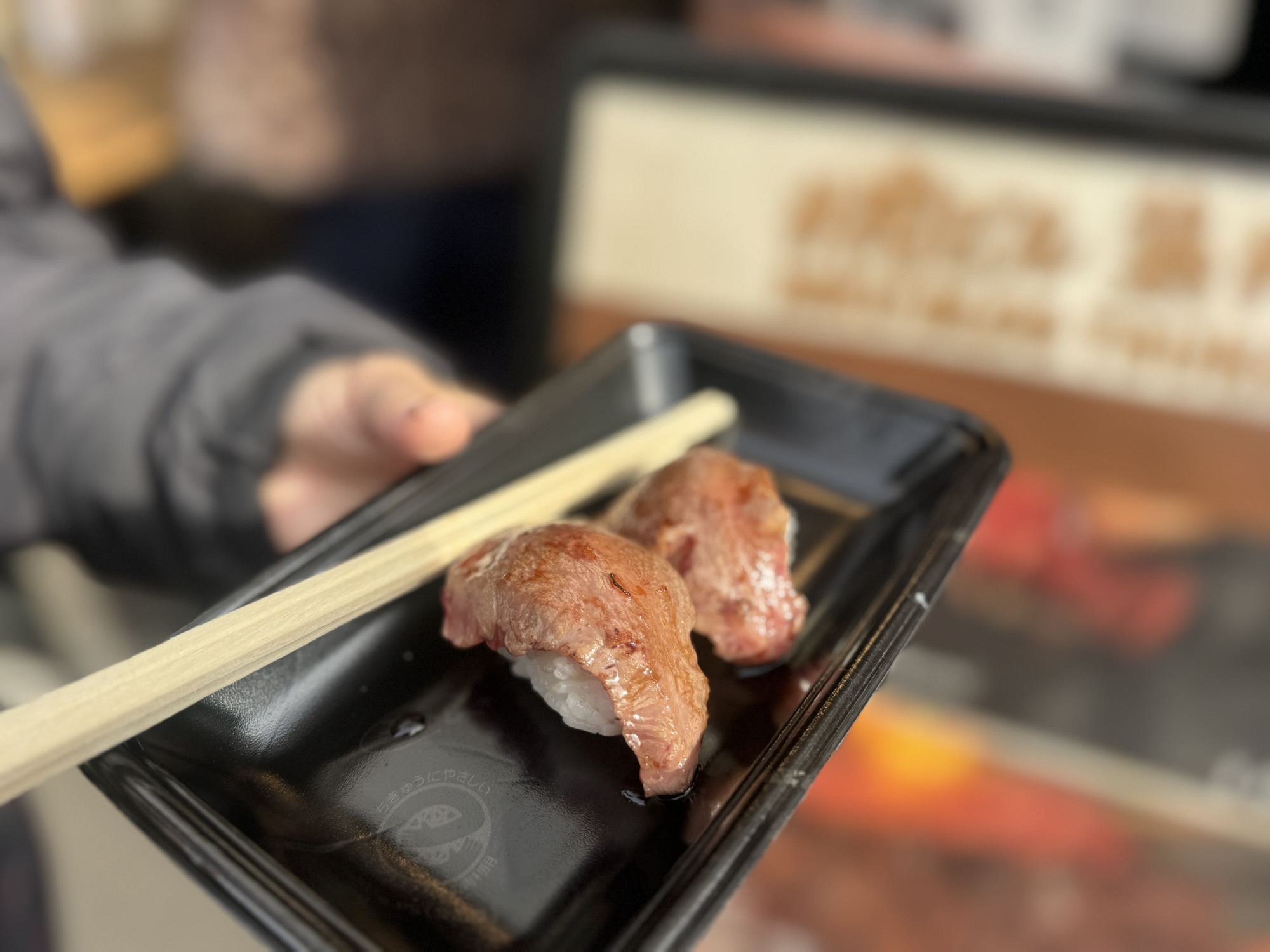
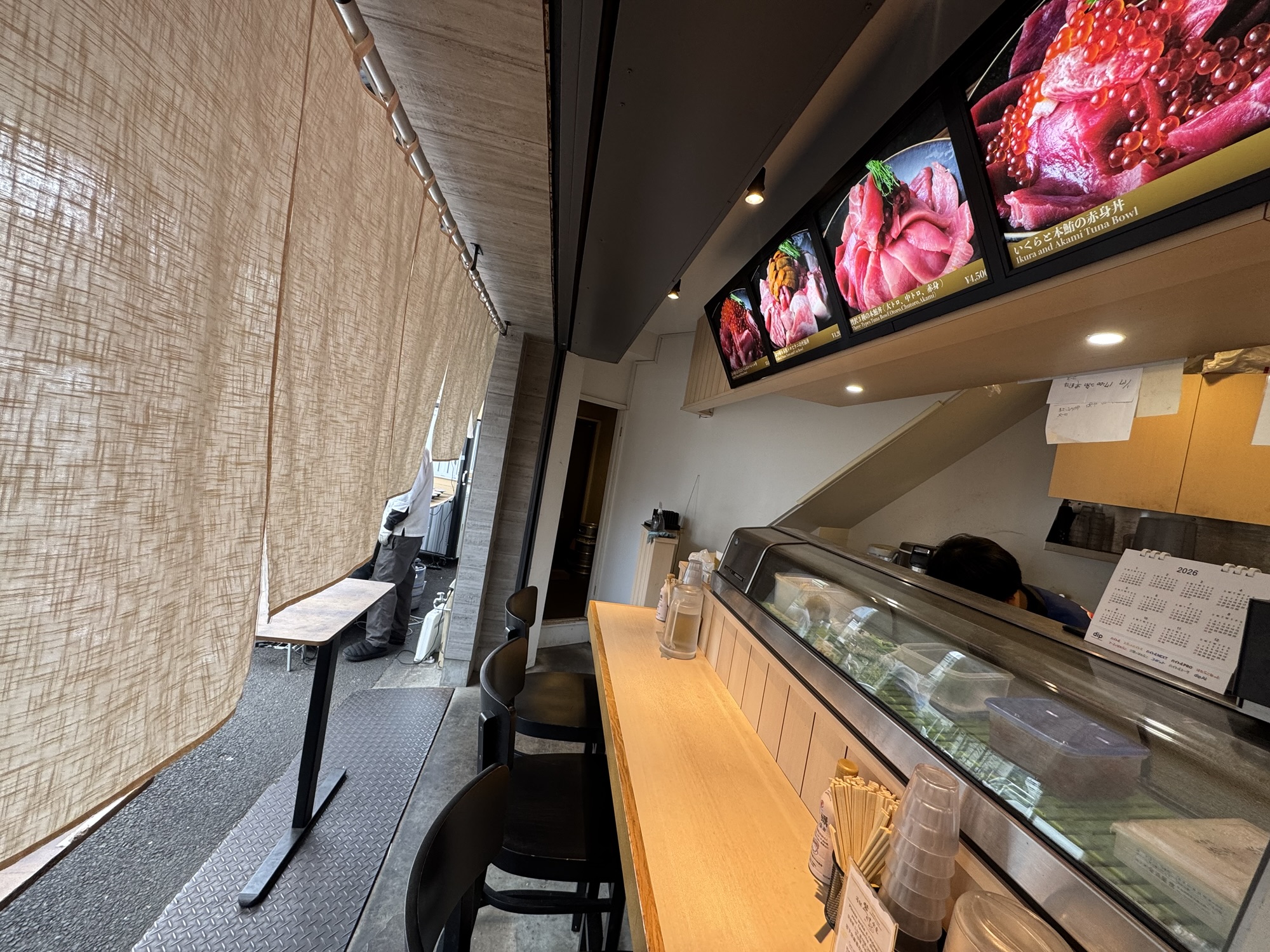
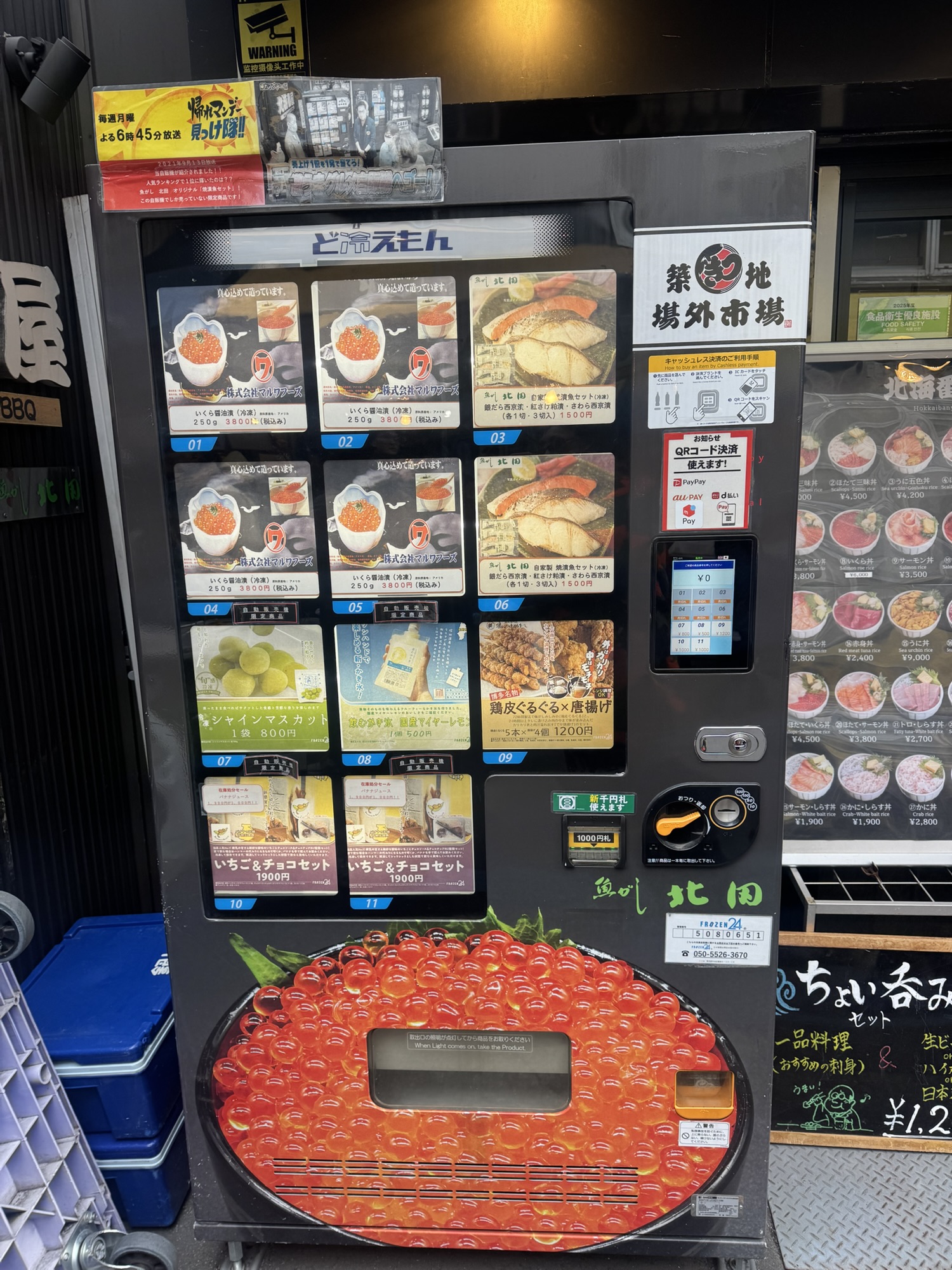
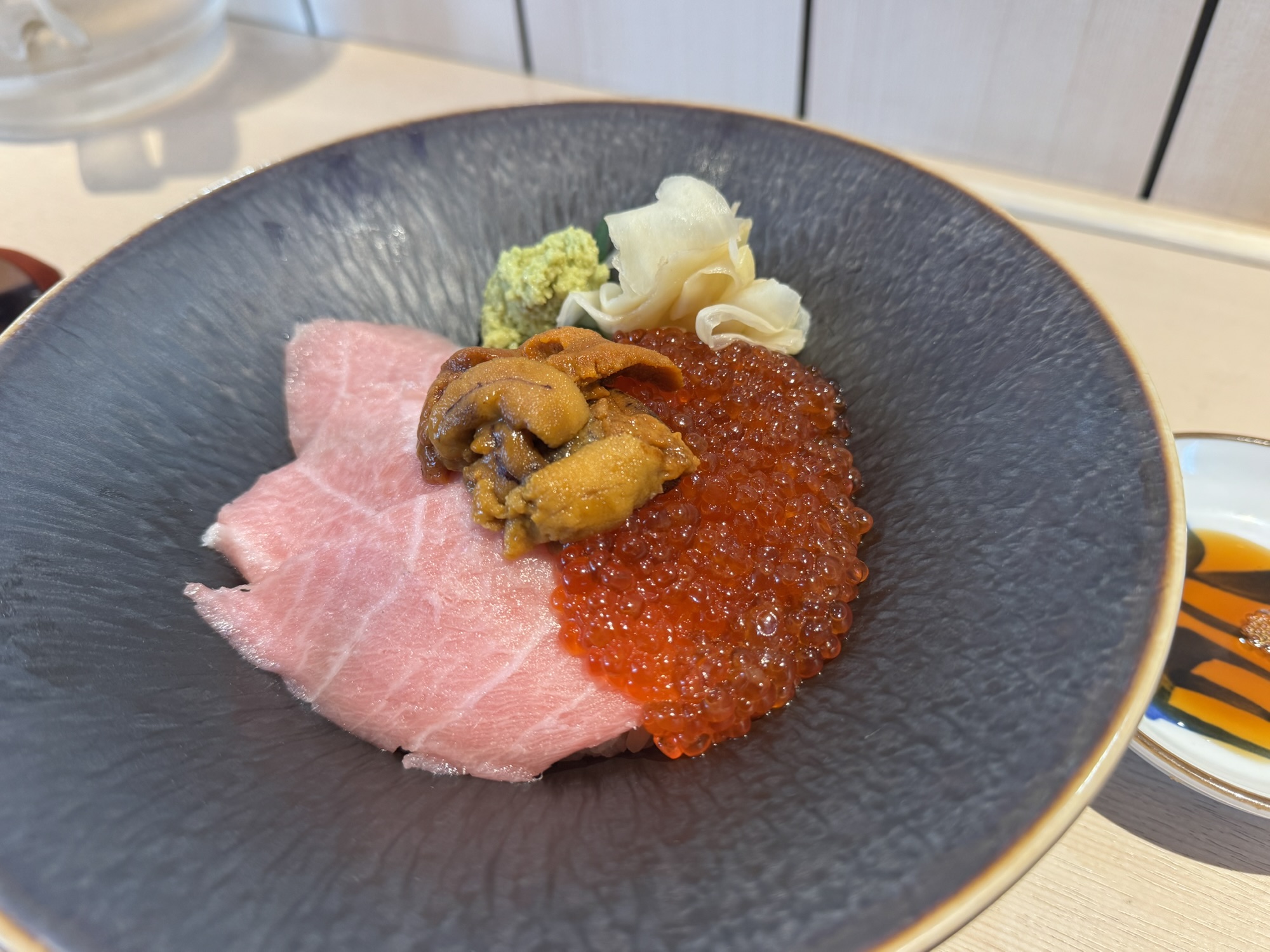
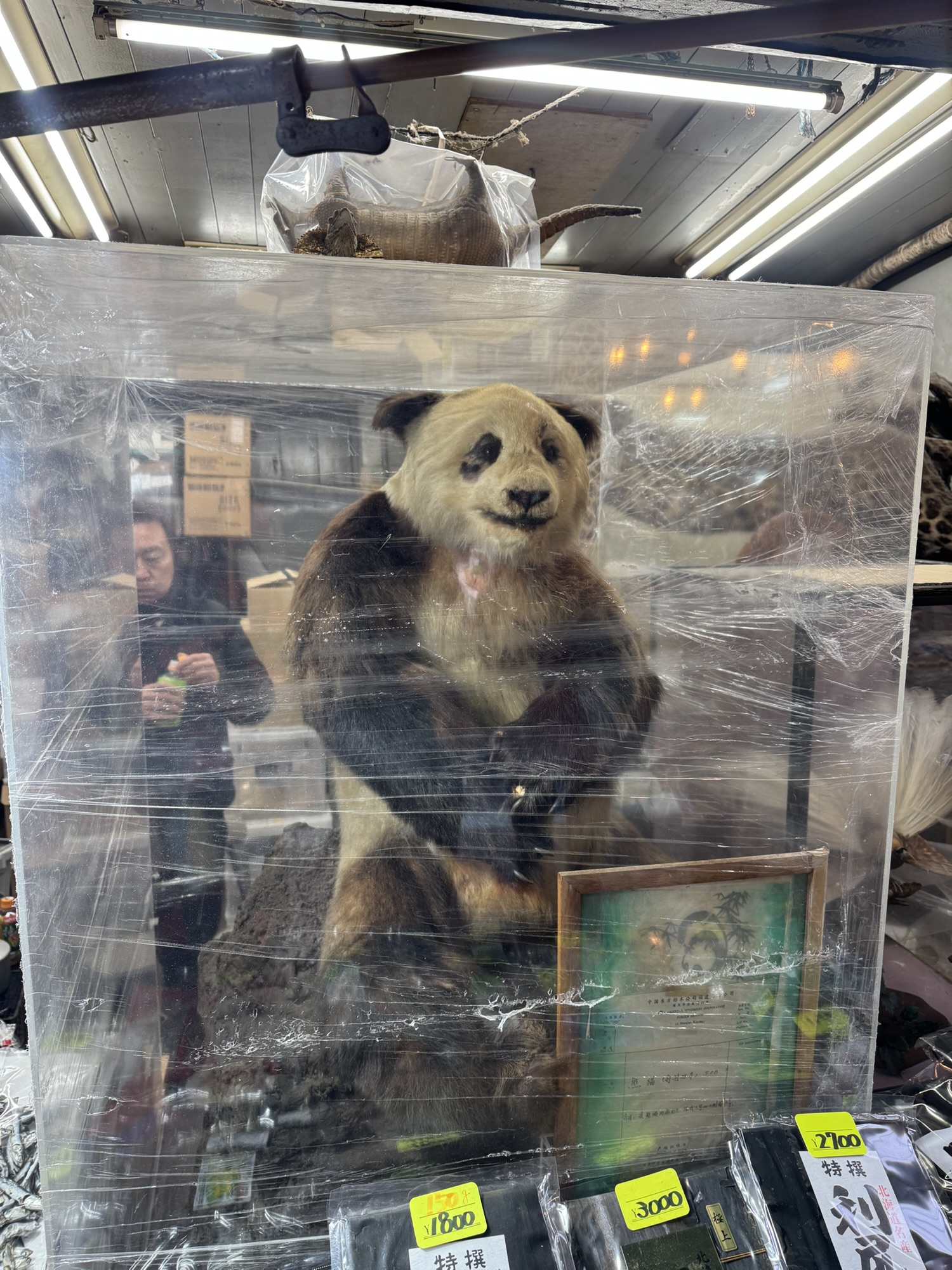
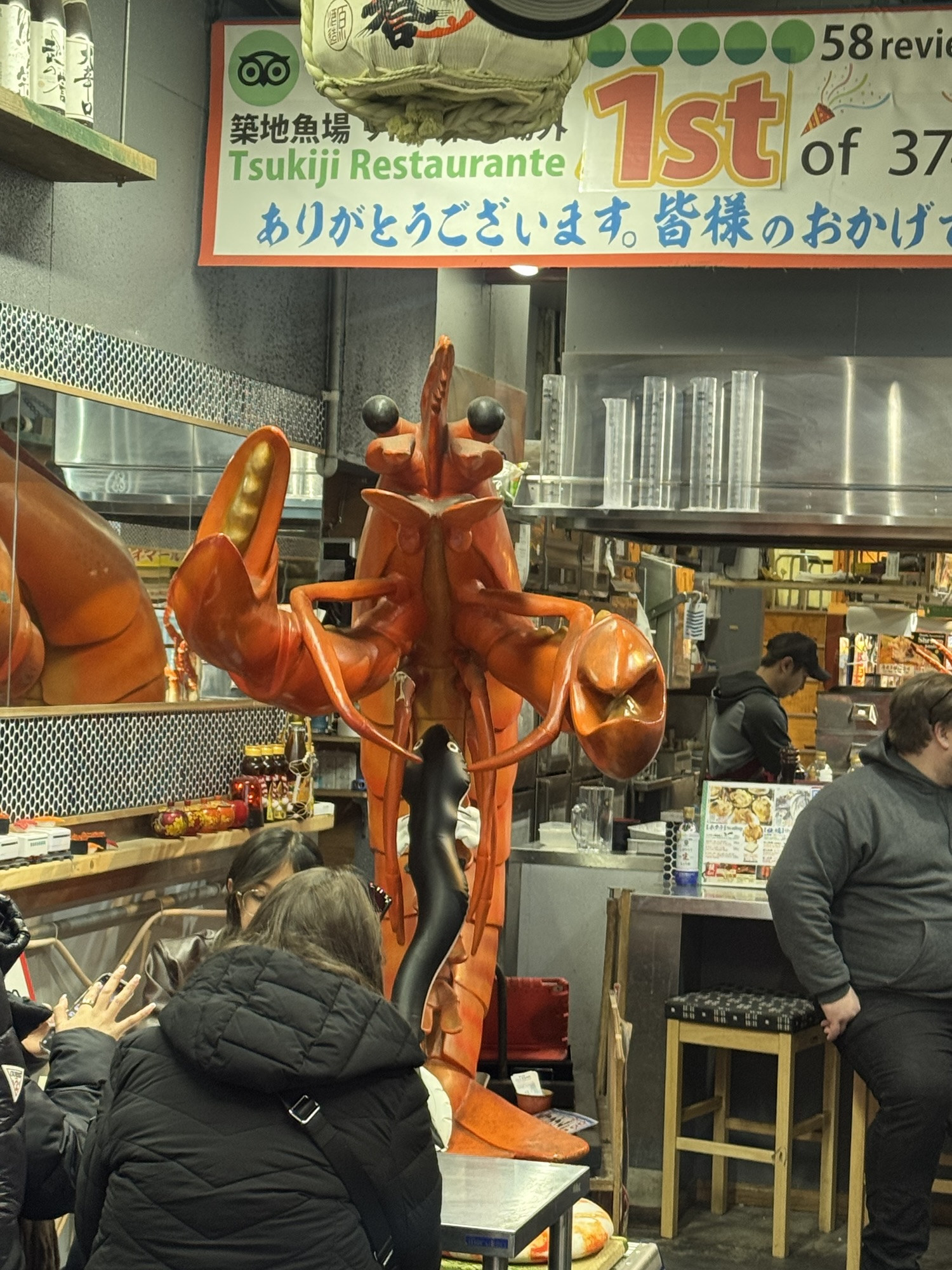
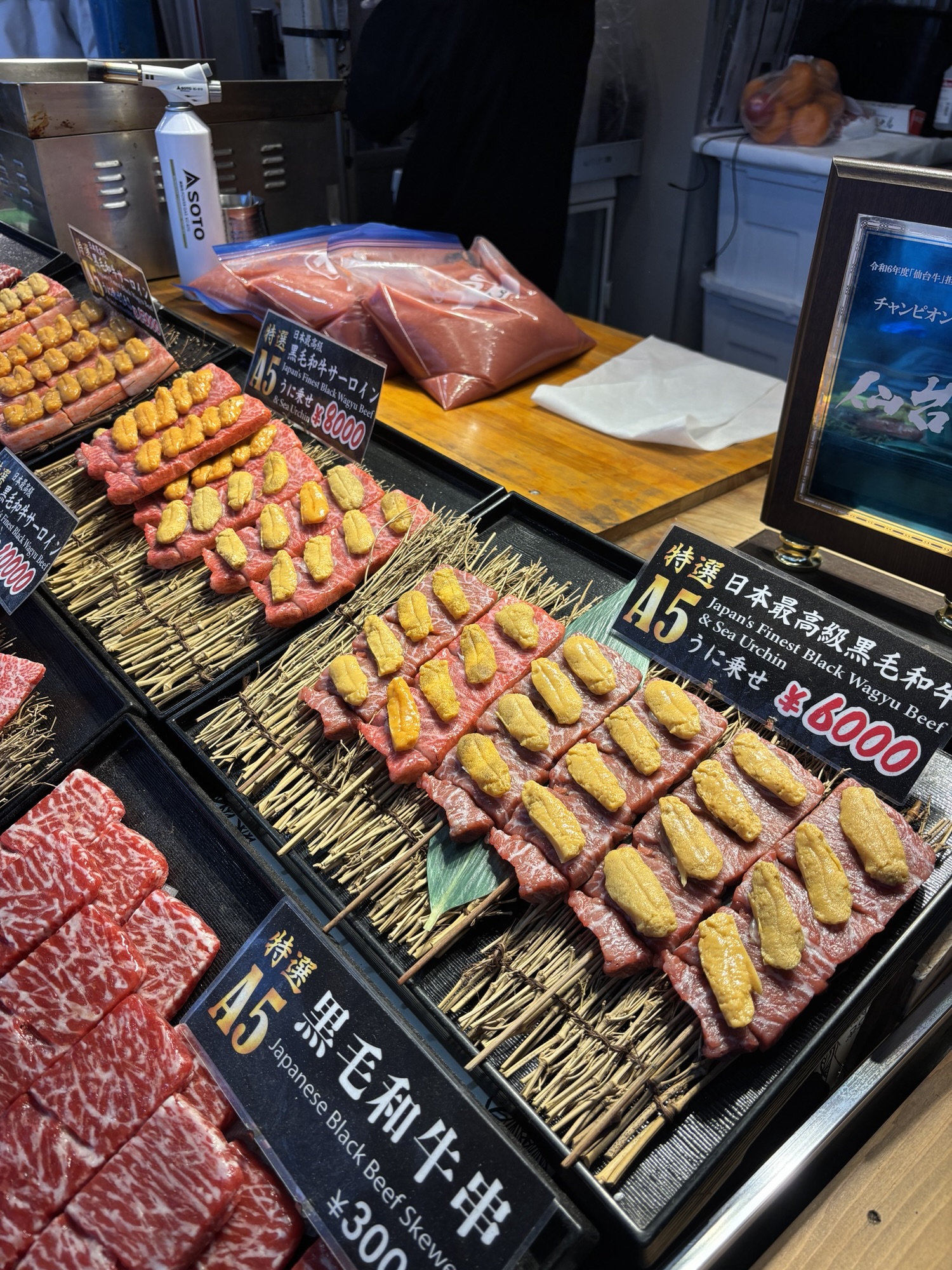
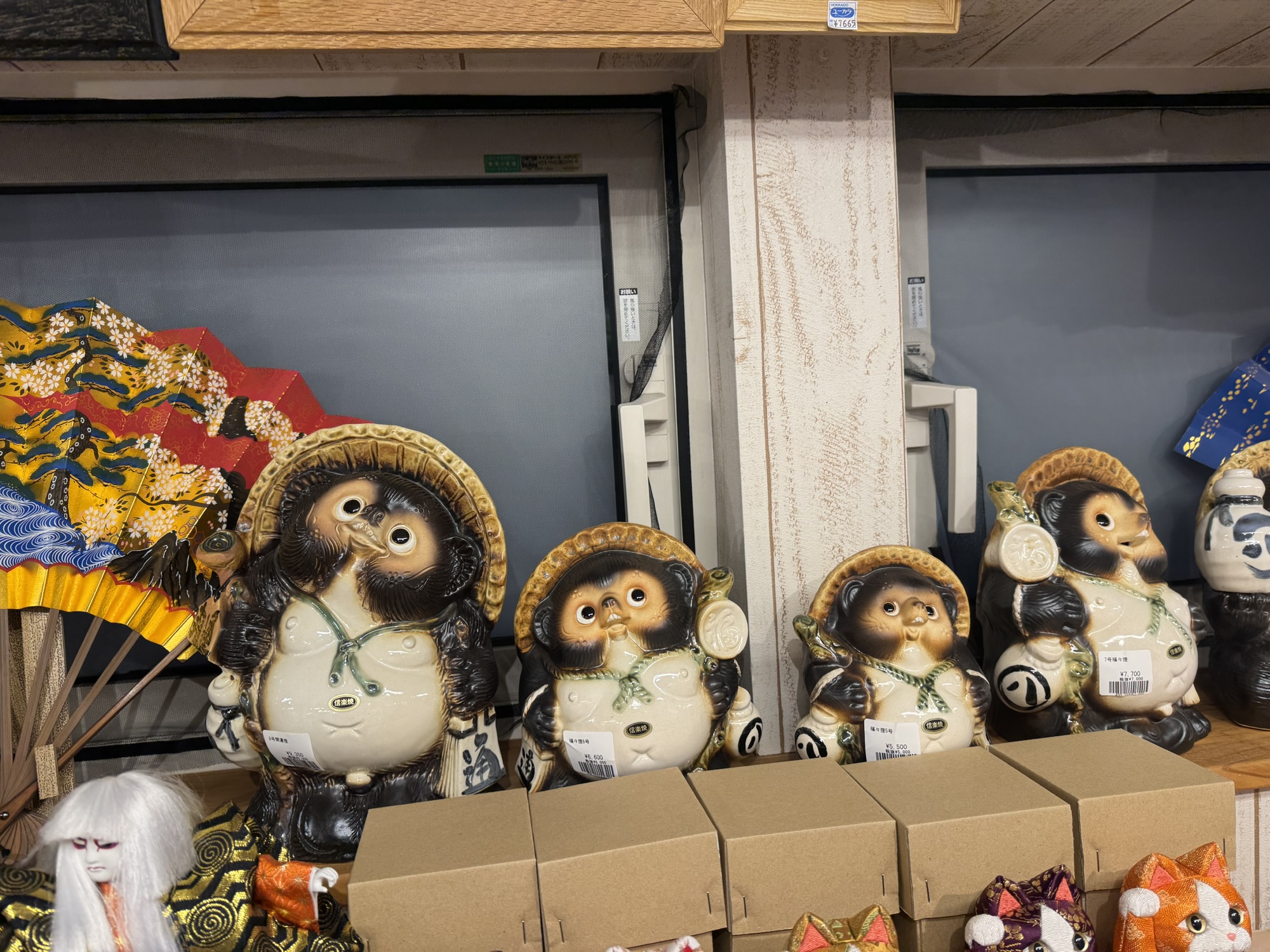
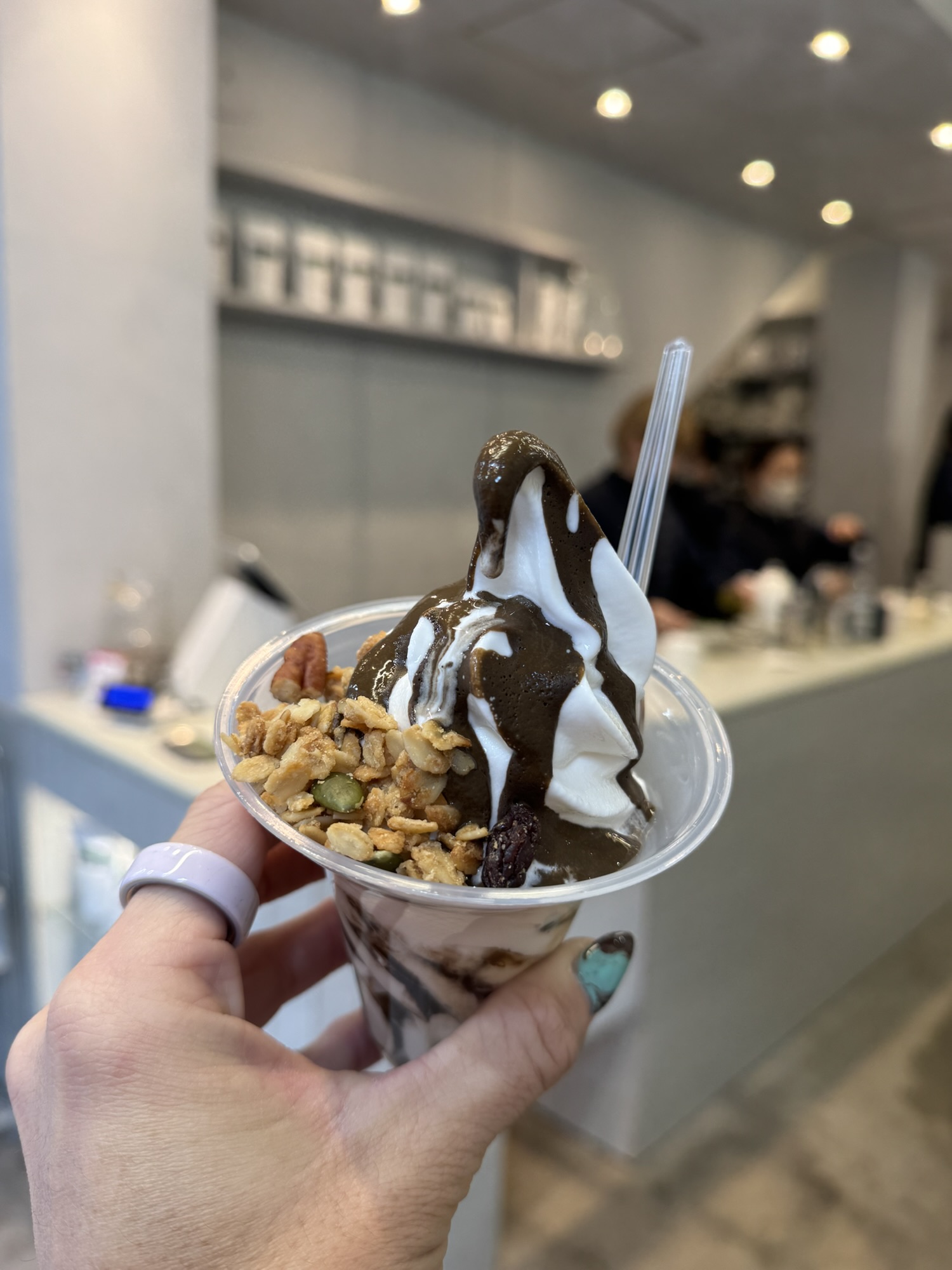
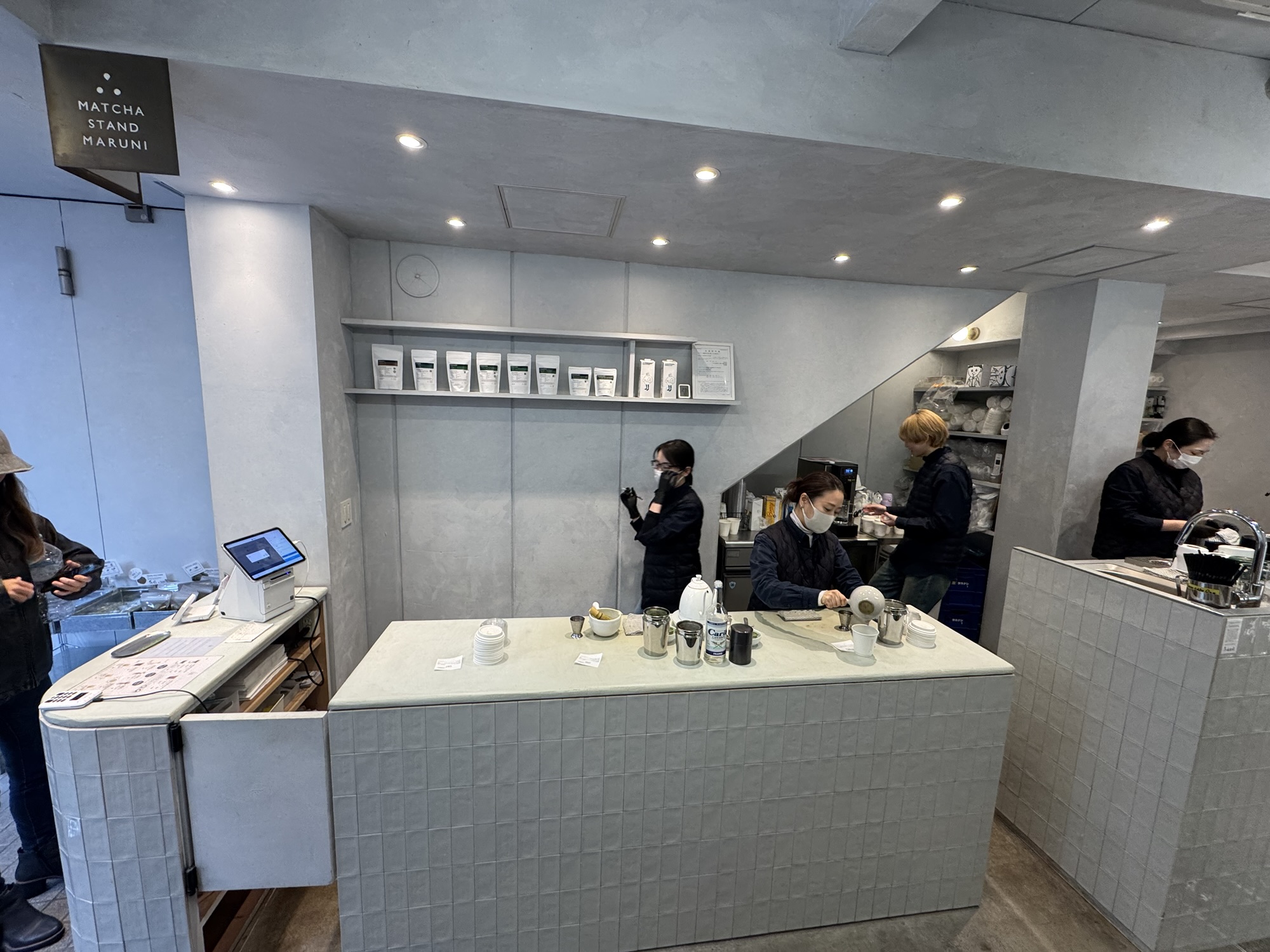
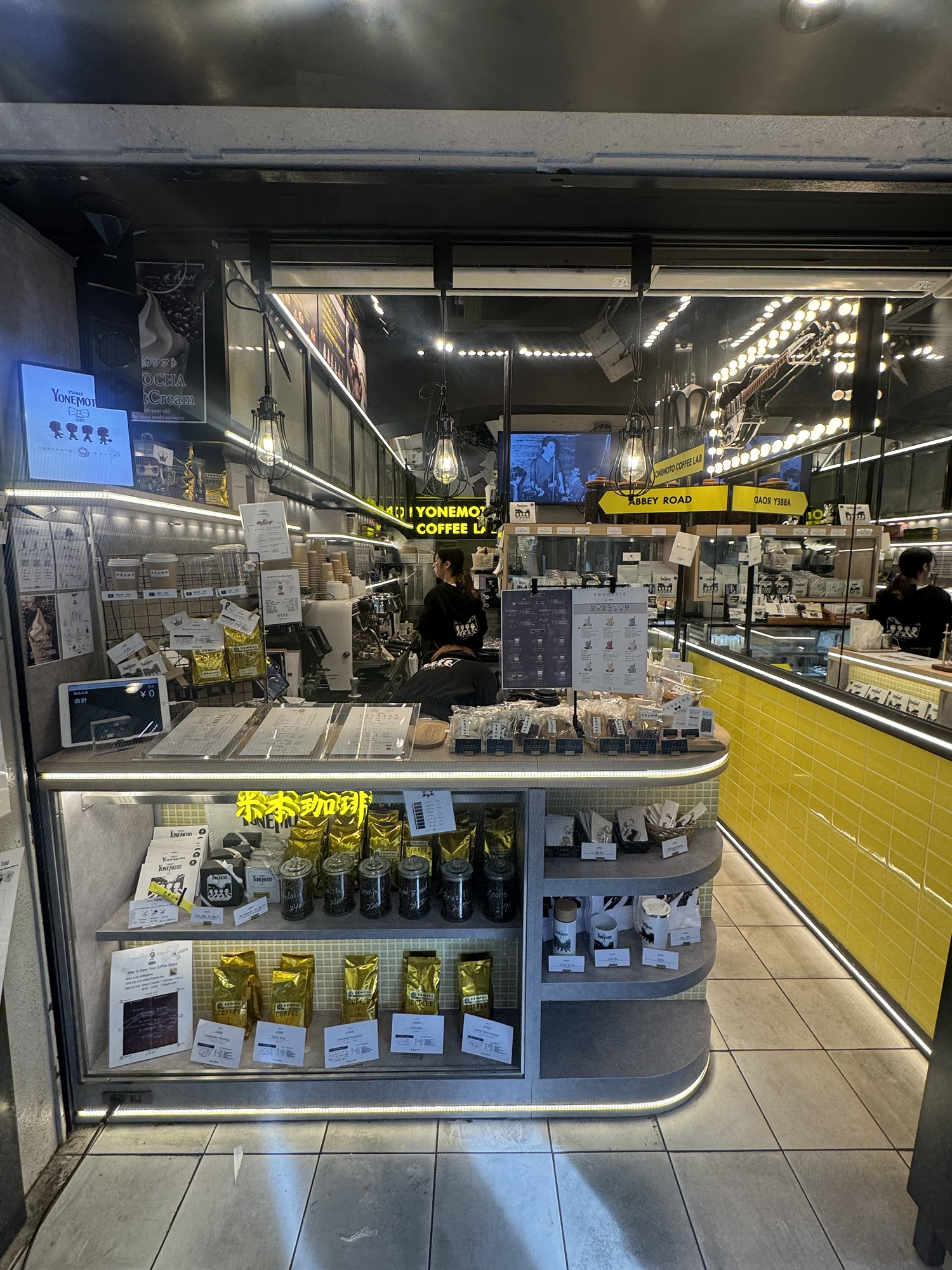
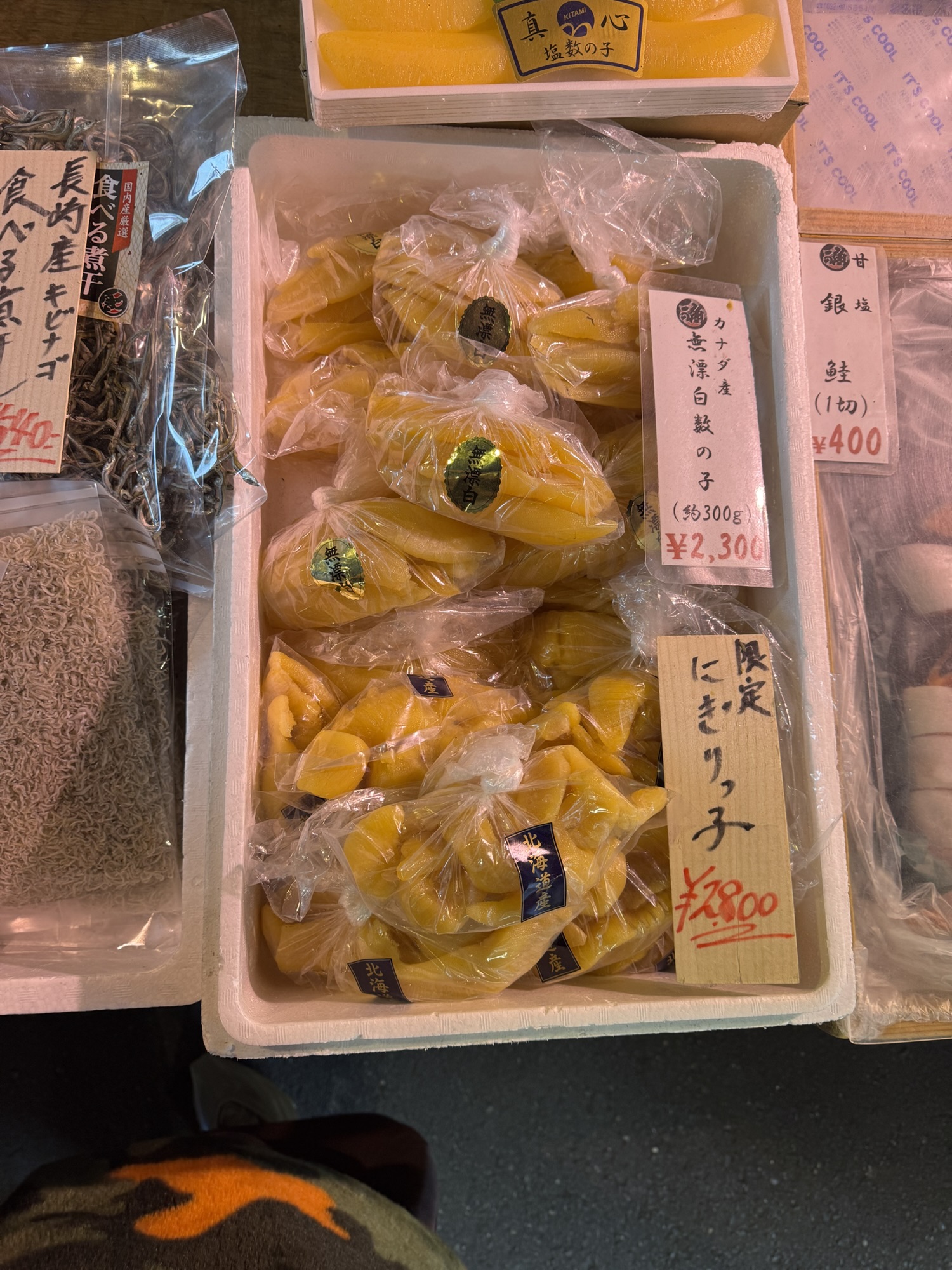
This stunning market boasts ~400 vendors, selling everything from fresh fish to pottery. Navigating the market is quite the journey, so I suggest going in with an open mind and flexibility. My best suggestion is to go against the grain when perusing the alleyways. The smaller businesses need your support, too, and are of the same caliber as the more advertised counterparts (I don’t love to Google businesses and let the masses sway my decision). That being said, I’m telling you to try sea urchin, fish roe, and rare wagyu – it doesn’t matter where from, just try it, ok. And if you hate any of the food you’ve had here, you’re wrong!
MORE FOOD & DRINK
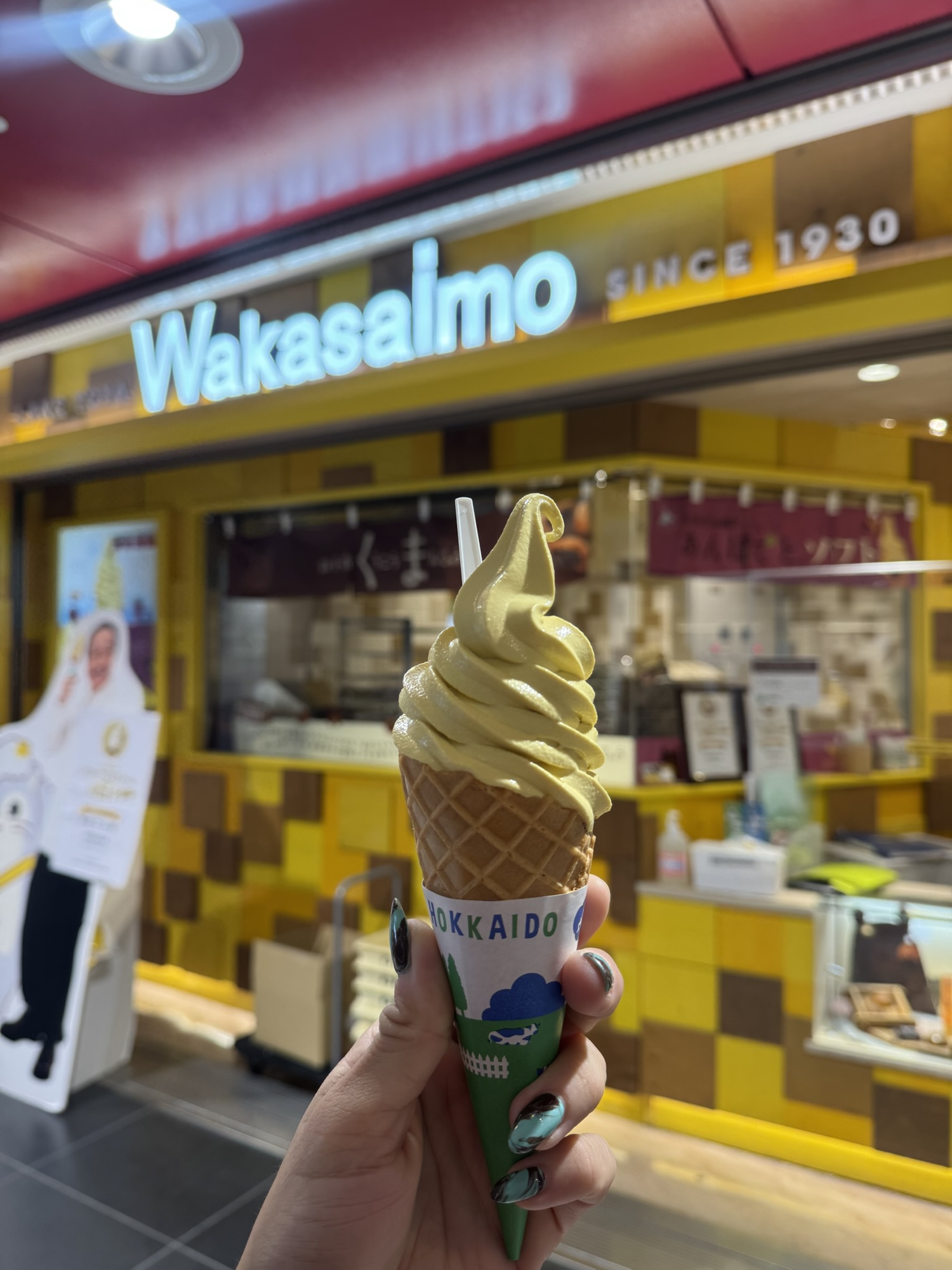
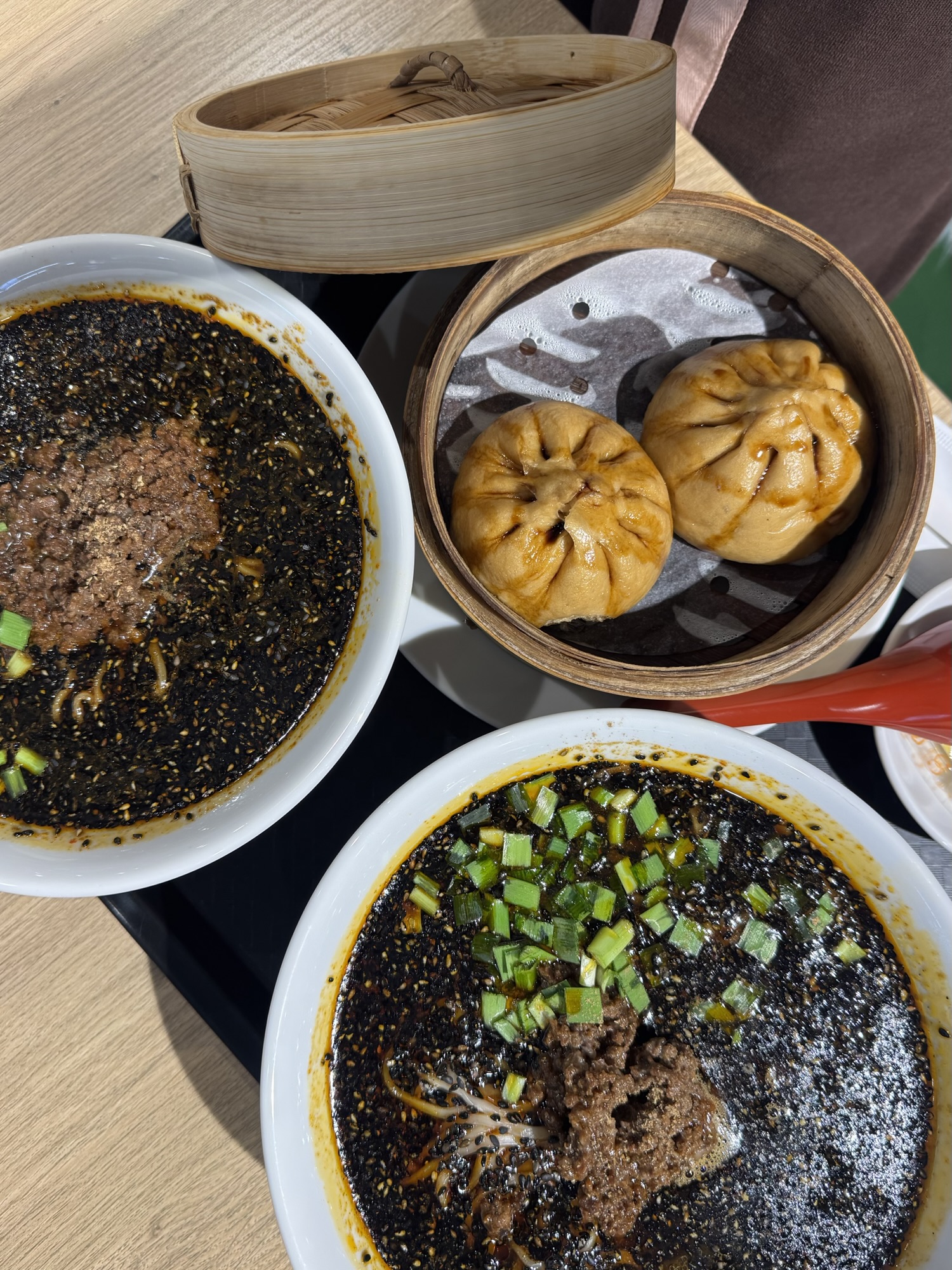
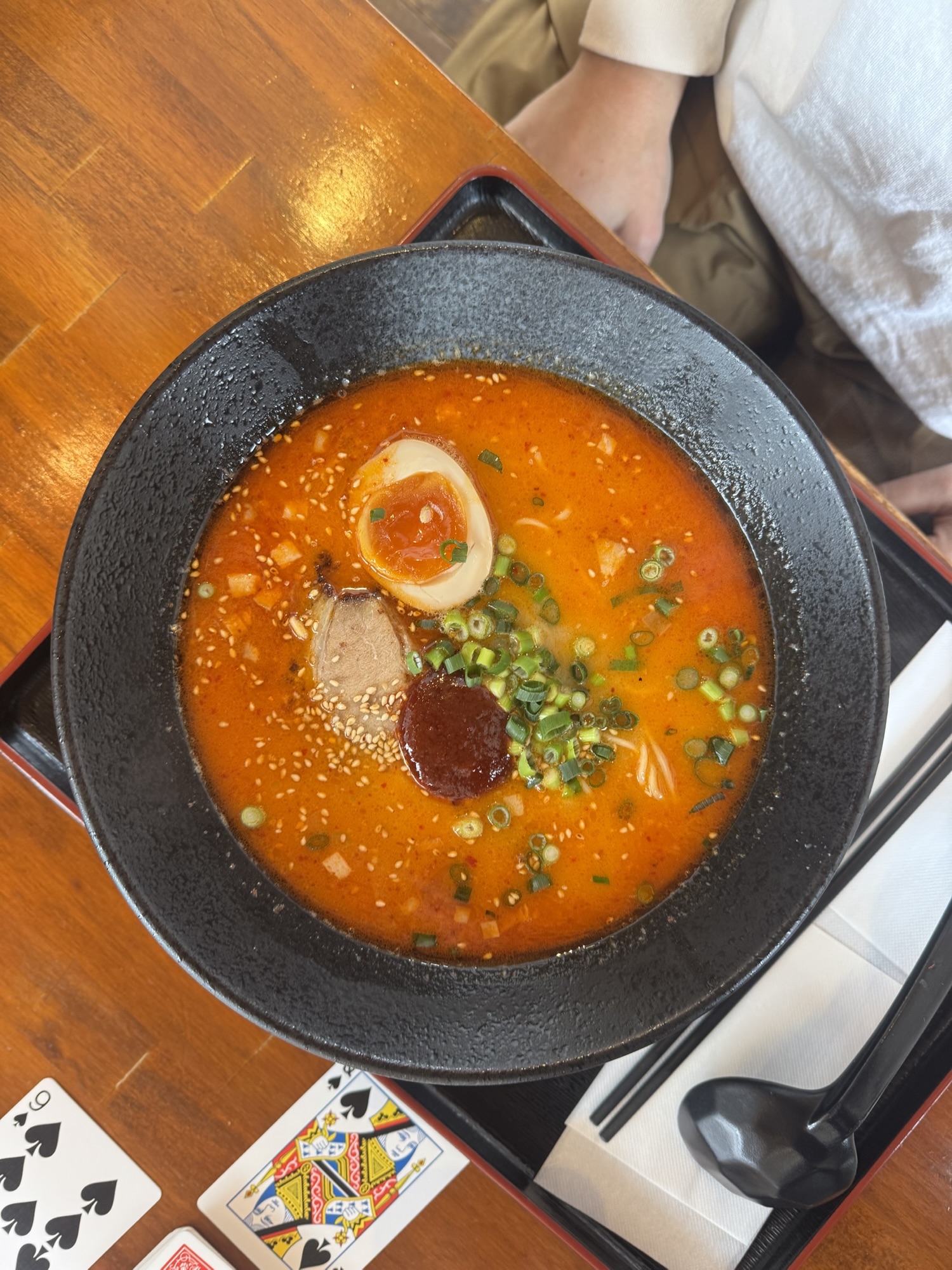
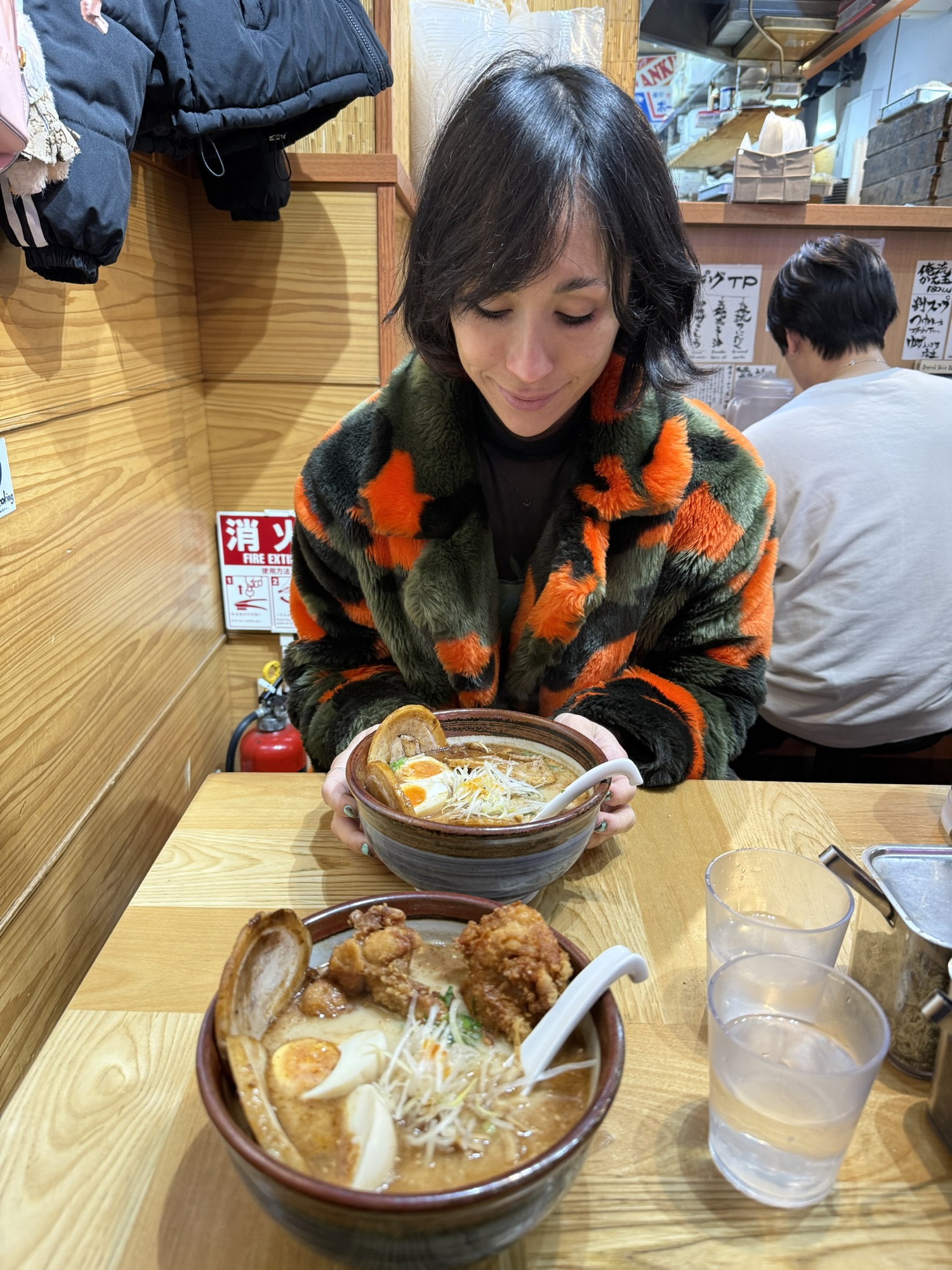
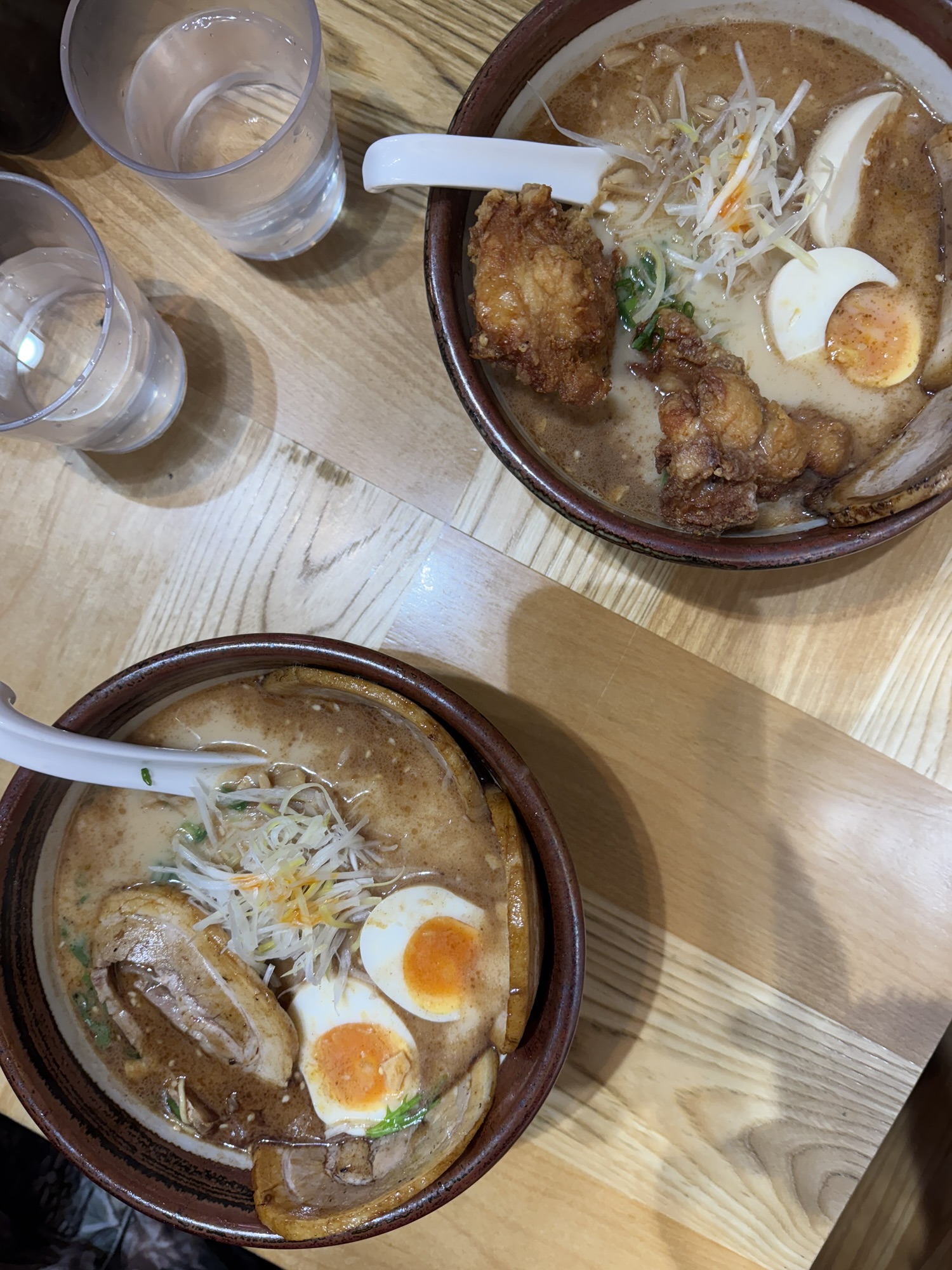
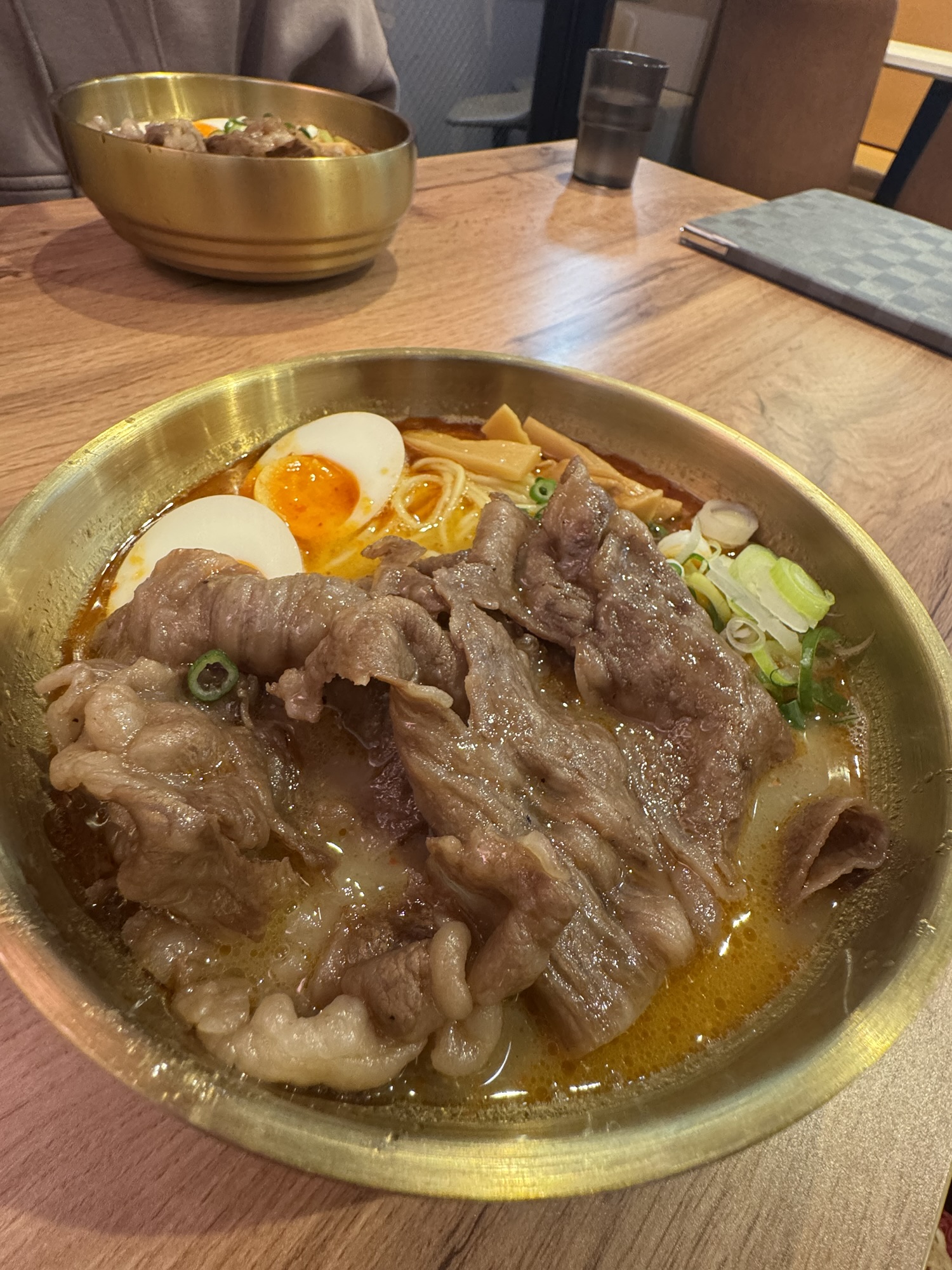
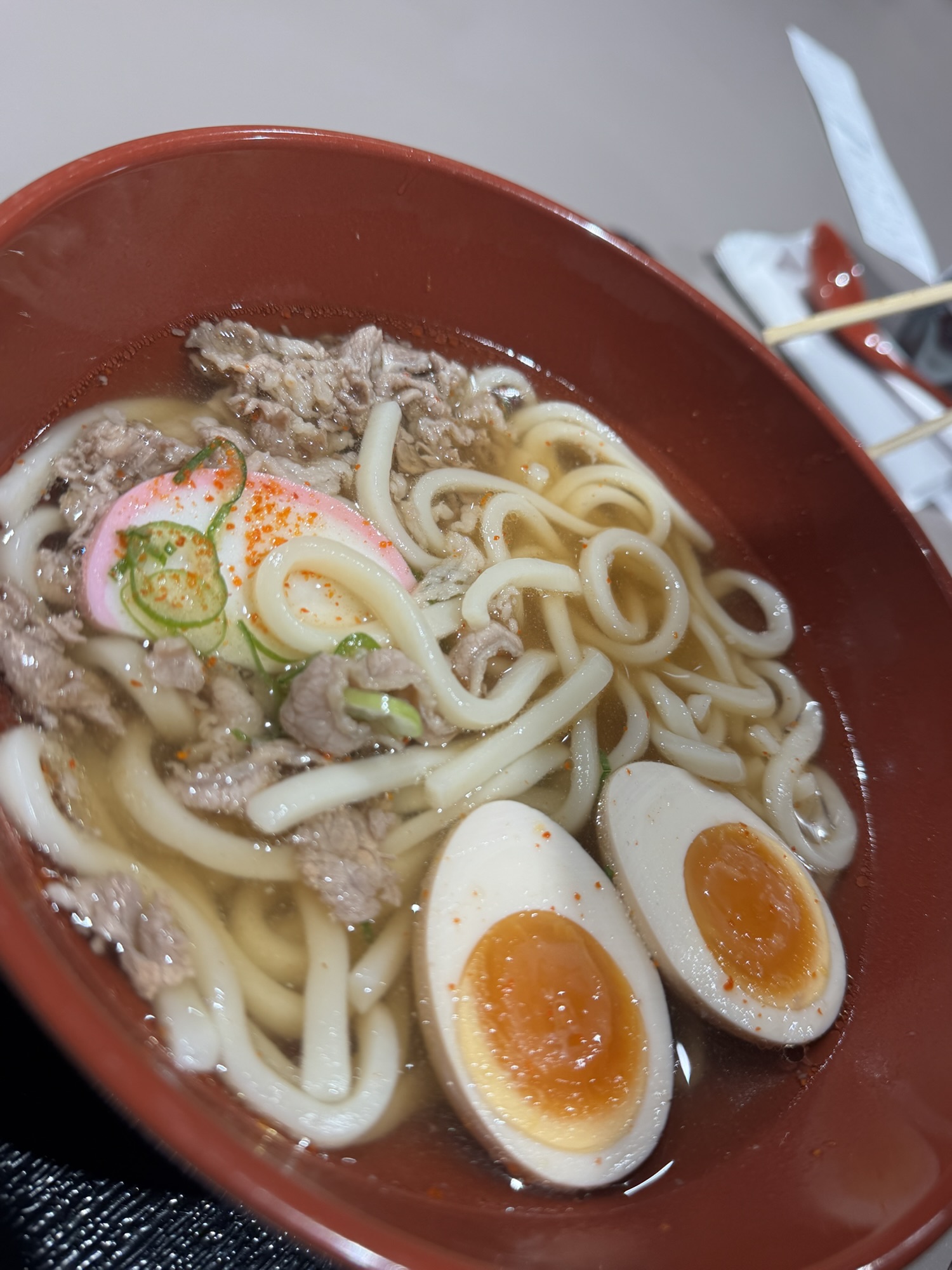
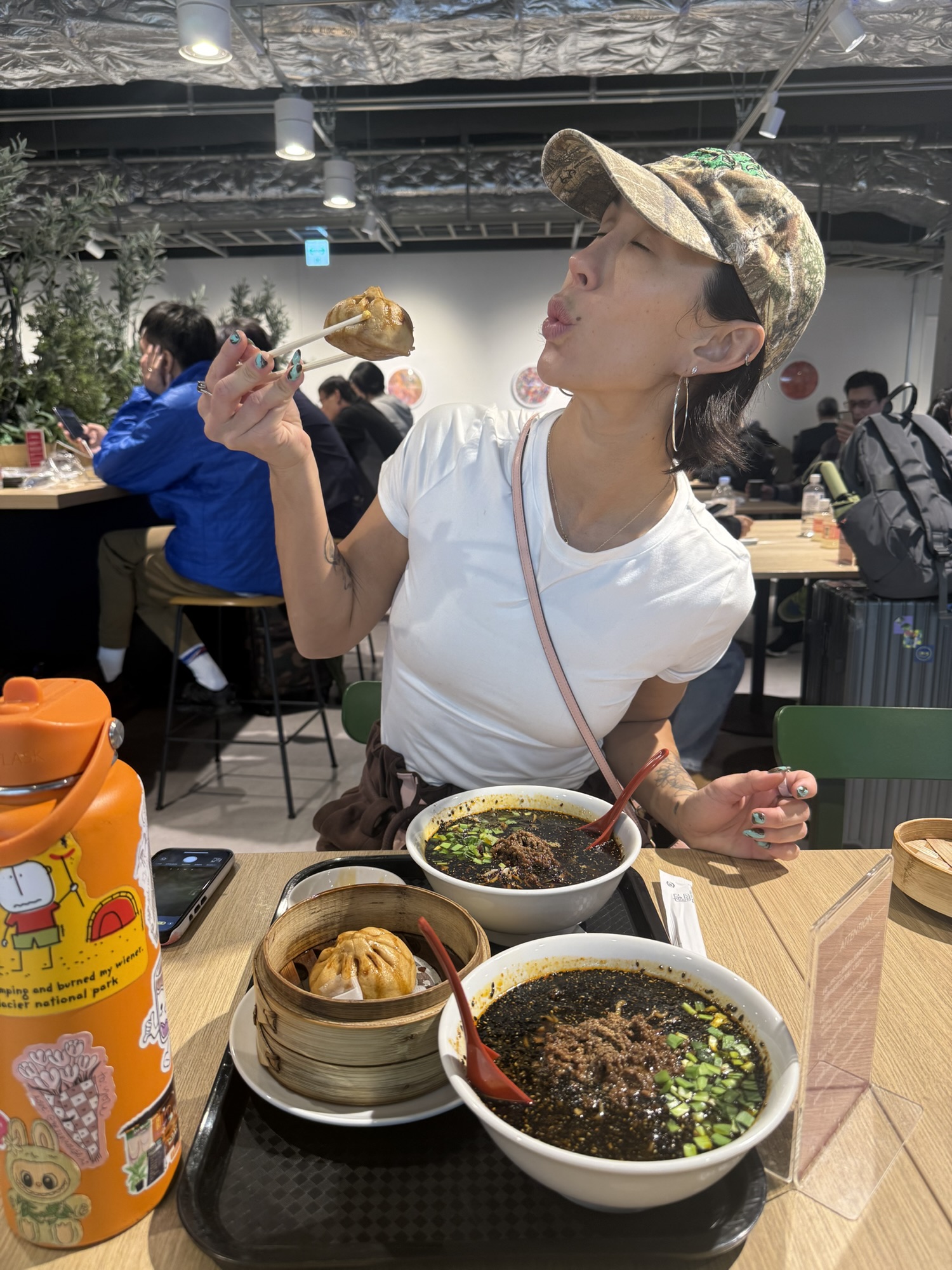
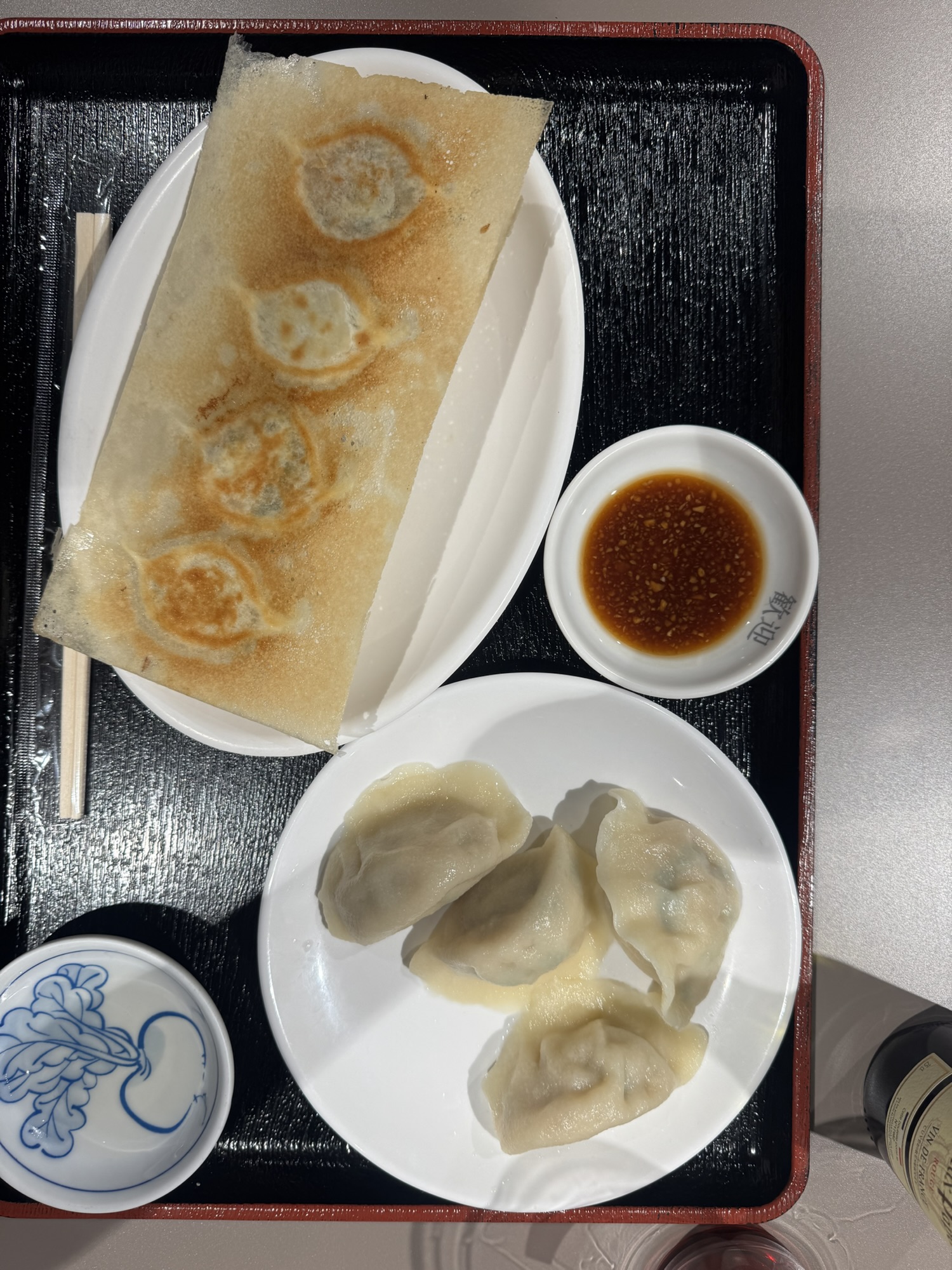
- Halal Wagyu Ramen Okubo: Of all the ramen consumed on this trip, the flavor profile at Halal Wagyu takes the crown. The menu includes A5 wagyu, fried chicken, and beef, as well as varying soup bases like miso and shoyu. Definitely try the spiciest level if you’re brave enough – it adds a burst of flavor unlike anything you’ve ever had, I promise. For those of you looking for something other than ramen, you can find nasi goreng, chicken karaage, and an Uzbekistan pilaf on the menu. The largest bowl of ramen will run you about $10 USD, which is insane. 50/10 recommend.
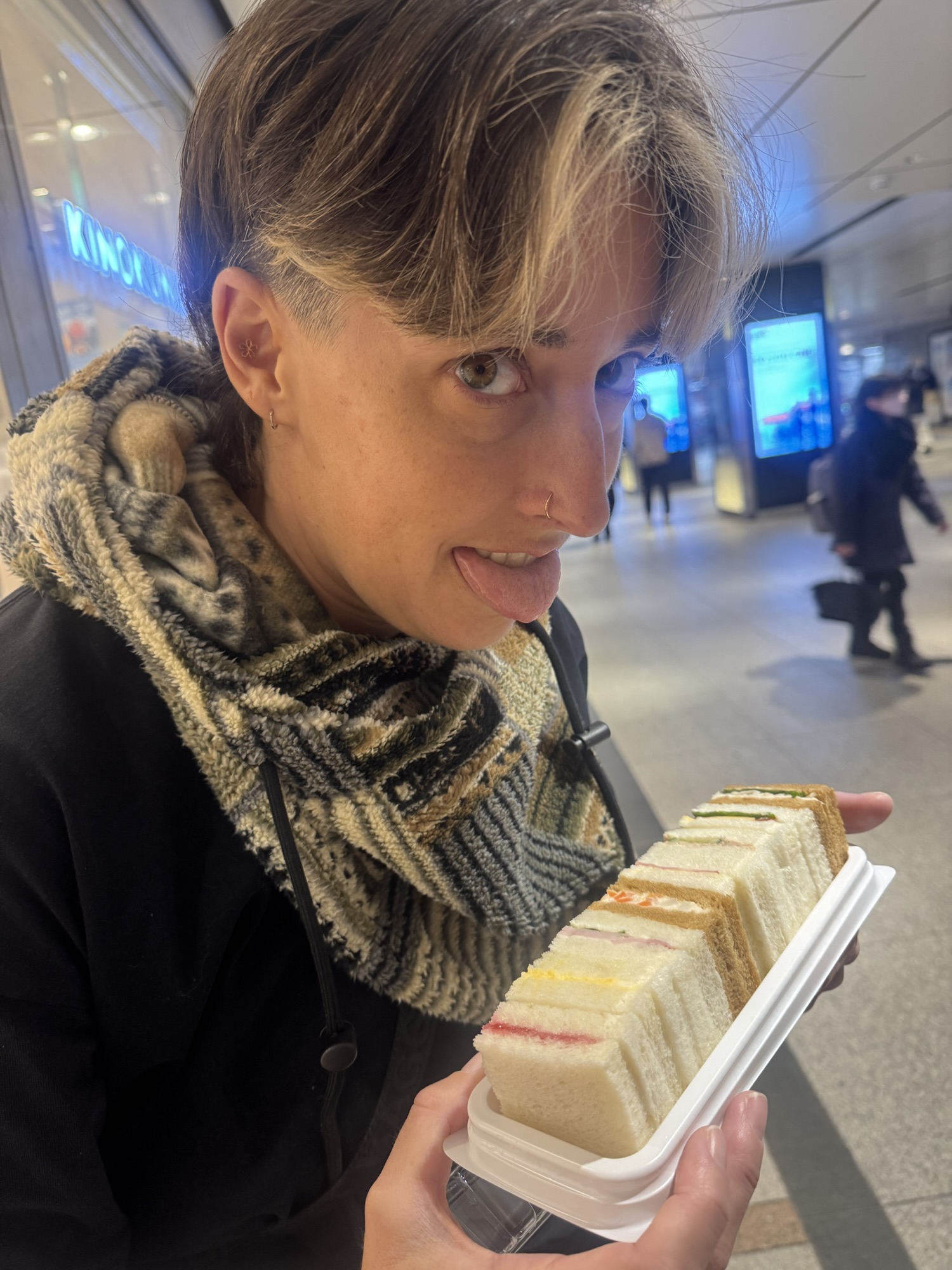
- Kinokuniya Convenience Store: Conveniently located in the Marunouchi metro station, right near the central entrance, Kinokuniya is an elevated convenience store with all of the products your heart could desire. Fuel up before getting on the train – eating and drinking onboard is not culturally kosher – with some of the snacks we tried, including a red snapper cracker (pictured above), Ito En oolong tea, and the sando variety packs. You can find sandwich flavor profiles from around the world, but will never go wrong with the katsu sando.
- Tiki Coffee: By chance, my partner and I happened upon this cute, coffee shop set in a retro Volkswagen van. The van rotates between two locations: the Tokyo International Forum in Ginza on Mondays/Wednesdays, and the Aoyama Farmers Market on Saturdays/Sundays. While the menu is simple, the beans are not. Owner, Hideaki Yamaguchi sources beans from the best regions for coffee, including Costa Rica, Nicaragua, and Brazil. We were fortunate enough to try the Brazilian roast, giving our lattes a robust, nutty flavor. Prices range from $3-$10 USD.
- Nakano Acca Wine Bar: It’s no secret I love to consume wine, specifically of the red variety, so I was pleased when we walked past Acca after a long day of running our feet into the ground. Acca is a sommelier’s dream, with courses offered for anyone looking to expand their knowledge, as well as a curated menu of wines from around the world, with each location offering a different variety. I had the pleasure of tasting a Barolo from the Italian region of Piedmont. If a Barolo is too bold for you, there are also Moroccan and sparkling reds, or whites ranging from Verdicchio to Nussbaumer. If you’re looking for food, the menu is inspired by Spanish tapas, offering marinated oysters, octopus dishes, beef confit, jamon serrano, and so much more. Though this menu seems as though it would break the bank, most of the options are within reason. My glass of wine cost me $12 USD, and the food ranges from $3-$70 USD.
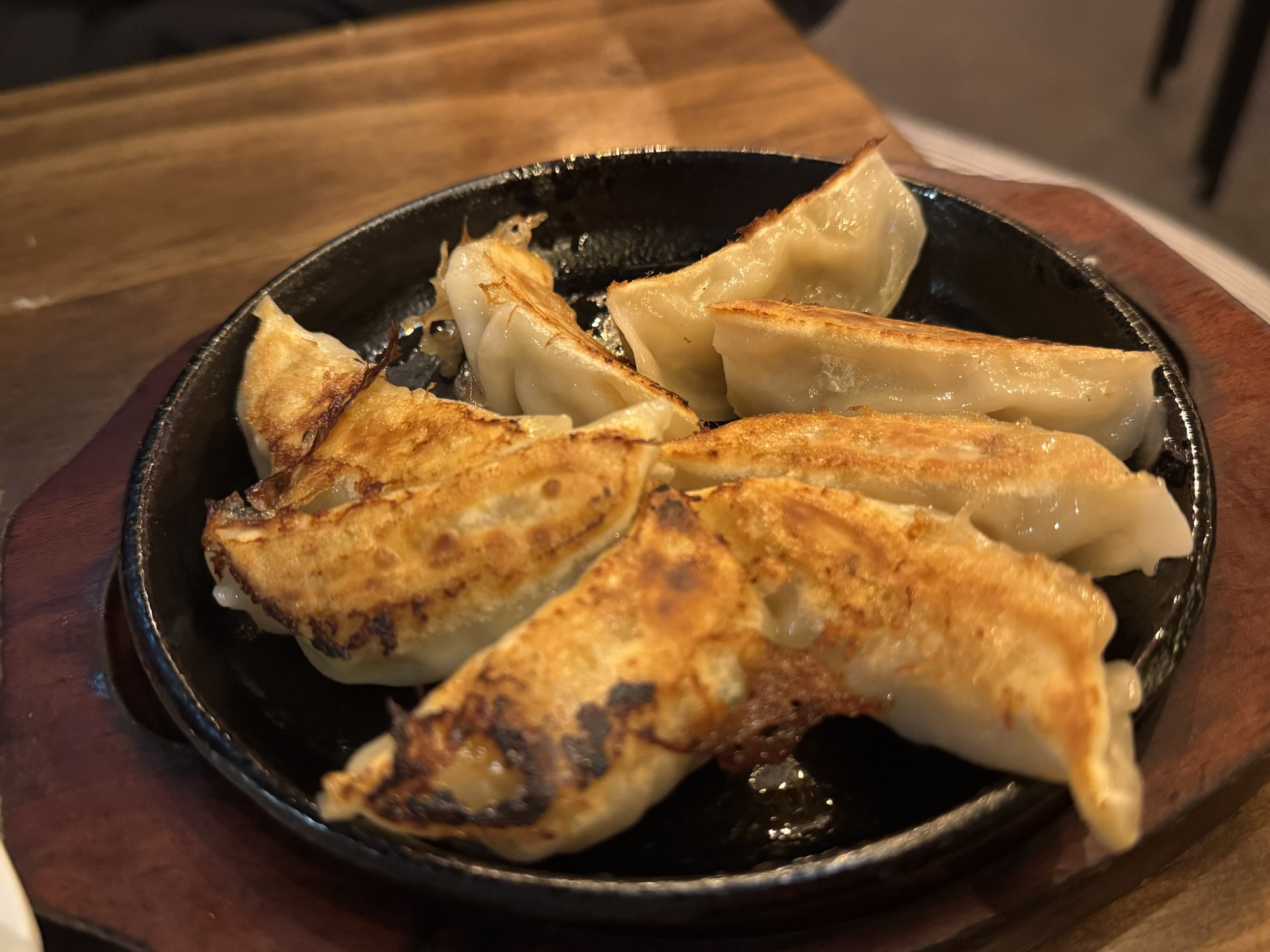
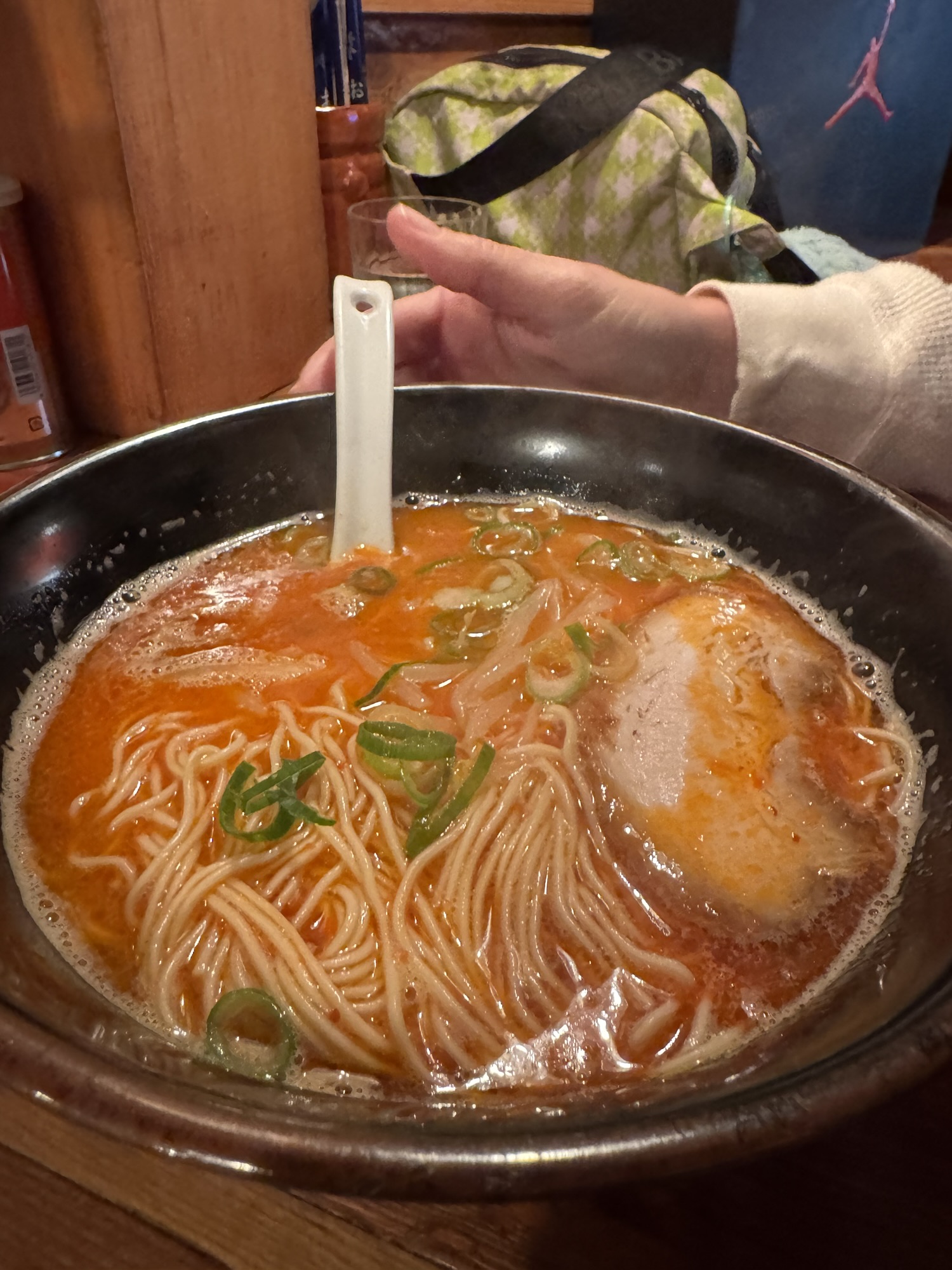
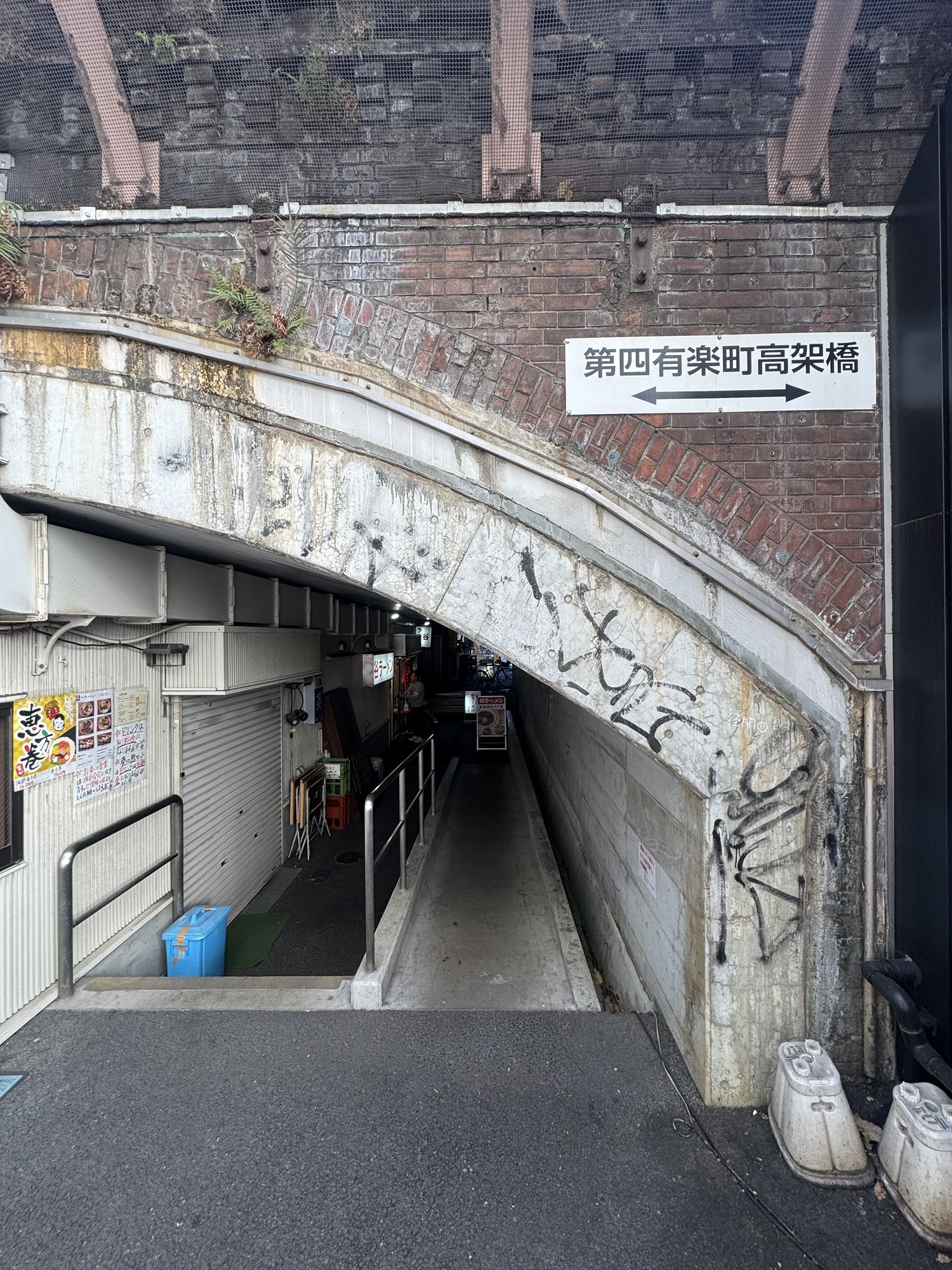
- Tsuyamaru: My partner’s goal was to have a bowl of ramen every day we spent in Tokyo, and Tsuyamaru helped her check off day two. We shared the spicy dashi maru with a large piece of char siu pork, as well as a generous serving of gyoza (8 pieces). I have never had a bad bowl of ramen in Japan, ever, so even the most mid outshine what we have in the US. That being said, Tsuyamaru is as standard as ramen can get. If you’re looking for more moxie in your bowl, you’re better off elsewhere. The biggest plus of Tsuyamaru is getting to watch your chef prepare in real time. Another plus is ordering at the ticket machine located near the entrance. A lot of Japanese restaurants use this system to efficiently get people in and out. The machines are akin to vending machines with photos and buttons featuring price. Once you make your choice, insert cash (some businesses accept tap-to-pay), and then take your printed ticket to a staff member. Our two items ran us a little over $7 USD, so if you’re on a tight budget, you could eat here every day and not break the bank!
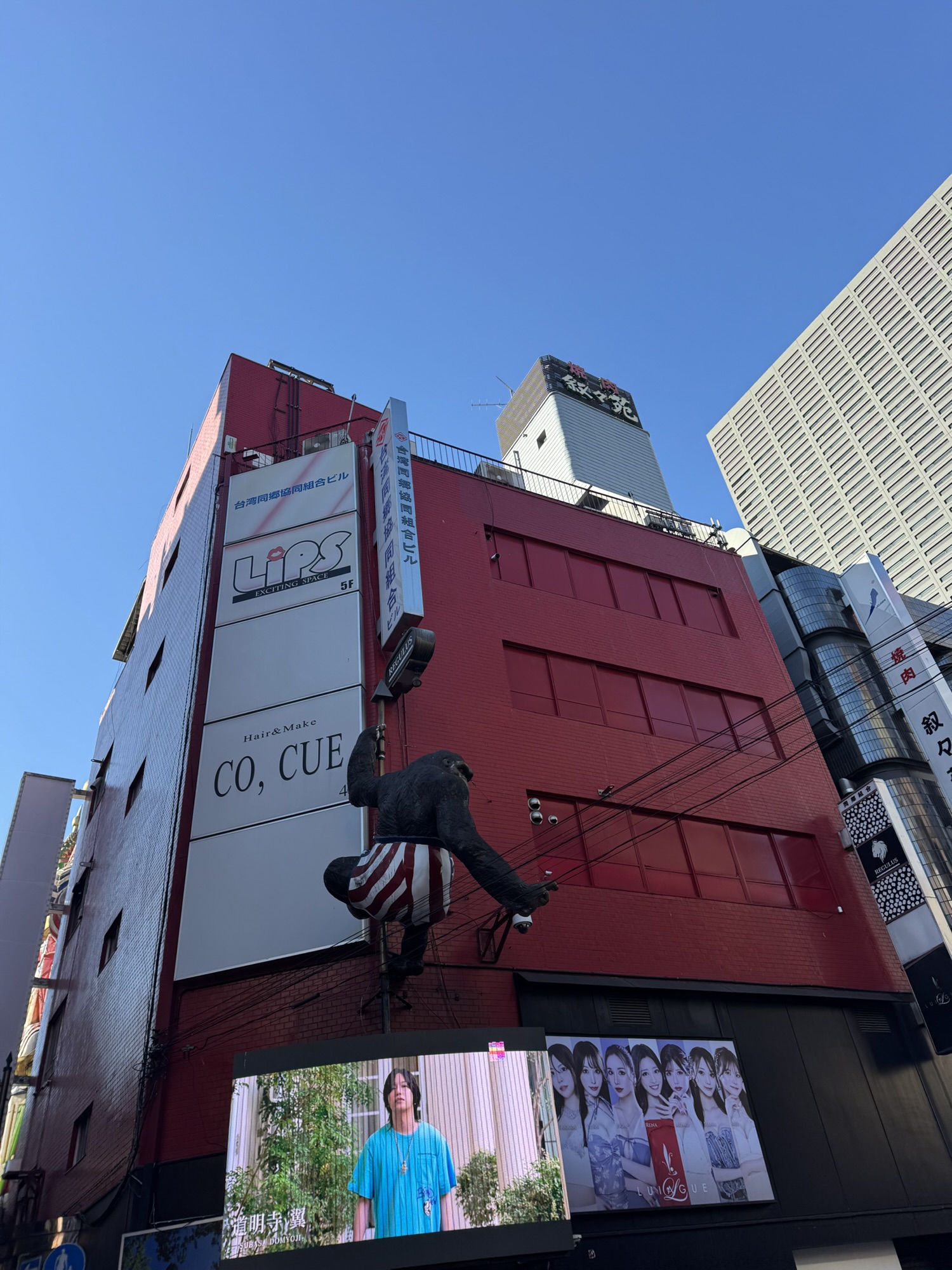
- Bar Goldfinger: This one is for all the sapphics of the world. Hidden behind Japan’s conservative veil is a very queer pocket of culture. Shinjuku Ni-Chōme is a LGBTQIA+ subsection of Shinjuku, developed after the WWII prostitution ban, which closed a lot of red light district businesses. With the empty spaces, queer life moved in, starting with tea houses, then eventually the bars we know now. Goldfinger is one of the oldest WLW bars in Tokyo, started in the 90s by owner Chiga Ogawa as a safe space for lesbians struggling to find a community. I felt very welcomed in the neon pink atmosphere emblazoned with innuendos and pop culture for the girlies. Do not miss out on this opportunity if you are a queer traveler abroad.
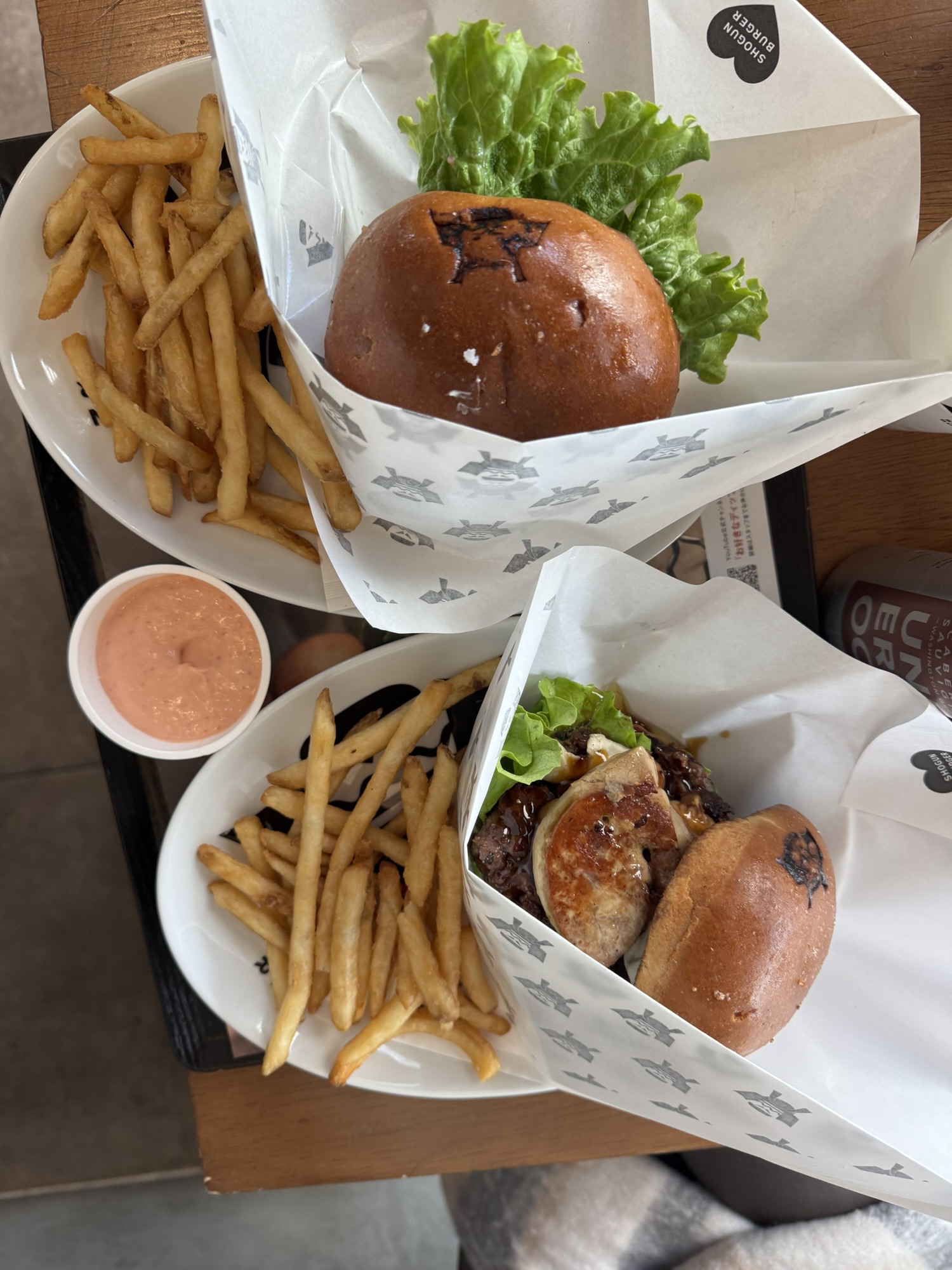
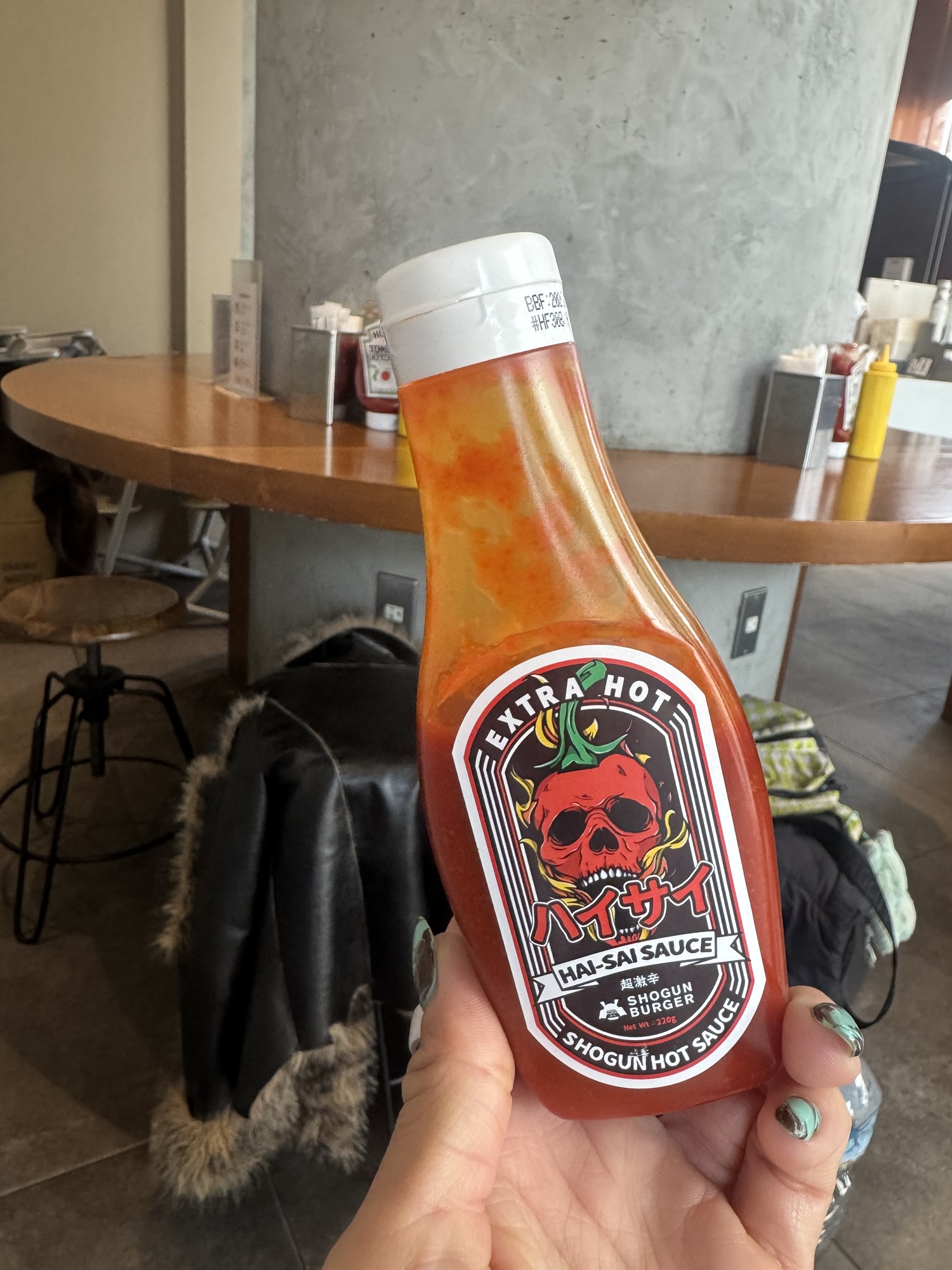
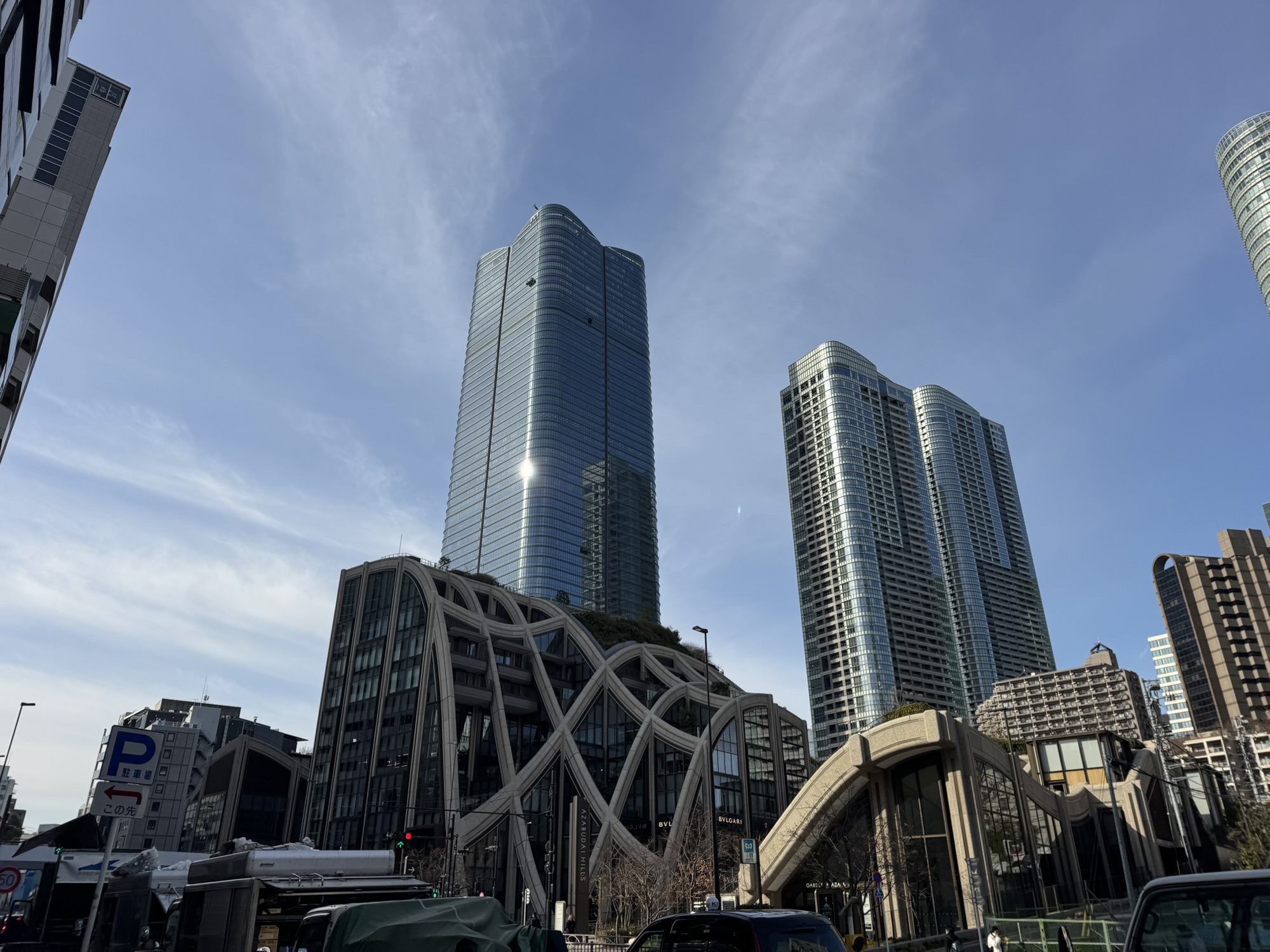
- Shogun Burger: Run, do not walk. This isn’t even an exaggeration. And I know I’m dramatic, I’m a Leo. But, I implore you to try Shogun burger as soon as you can. Obviously, have all the omakase and ramen, but give yourself a moment to enjoy a burger, too. Shogun uses A5 wagyu in a, “smash,” style, which allots for maximum juiciness and flavor. There are over 20 locations in Asia, with most existing in Japan (obviously). Each location has a signature menu item, which is like a fun side quest for residents or long-term visitors. We visited the Azabudai location, which features the truffle burger. My partner gave it rave reviews, but I’m here to campaign for the teriyaki foie gras burger. Never in my life would I think to put foie gras on top of premium beef patties, but I’m so glad someone did. And if it’s considered sacrilege, then excommunicate me from the church, boss. Make sure to get the fries and douse them in the housemate Hai Said Extra Hot sauce, too. The total bill will run you a little over $20 USD.
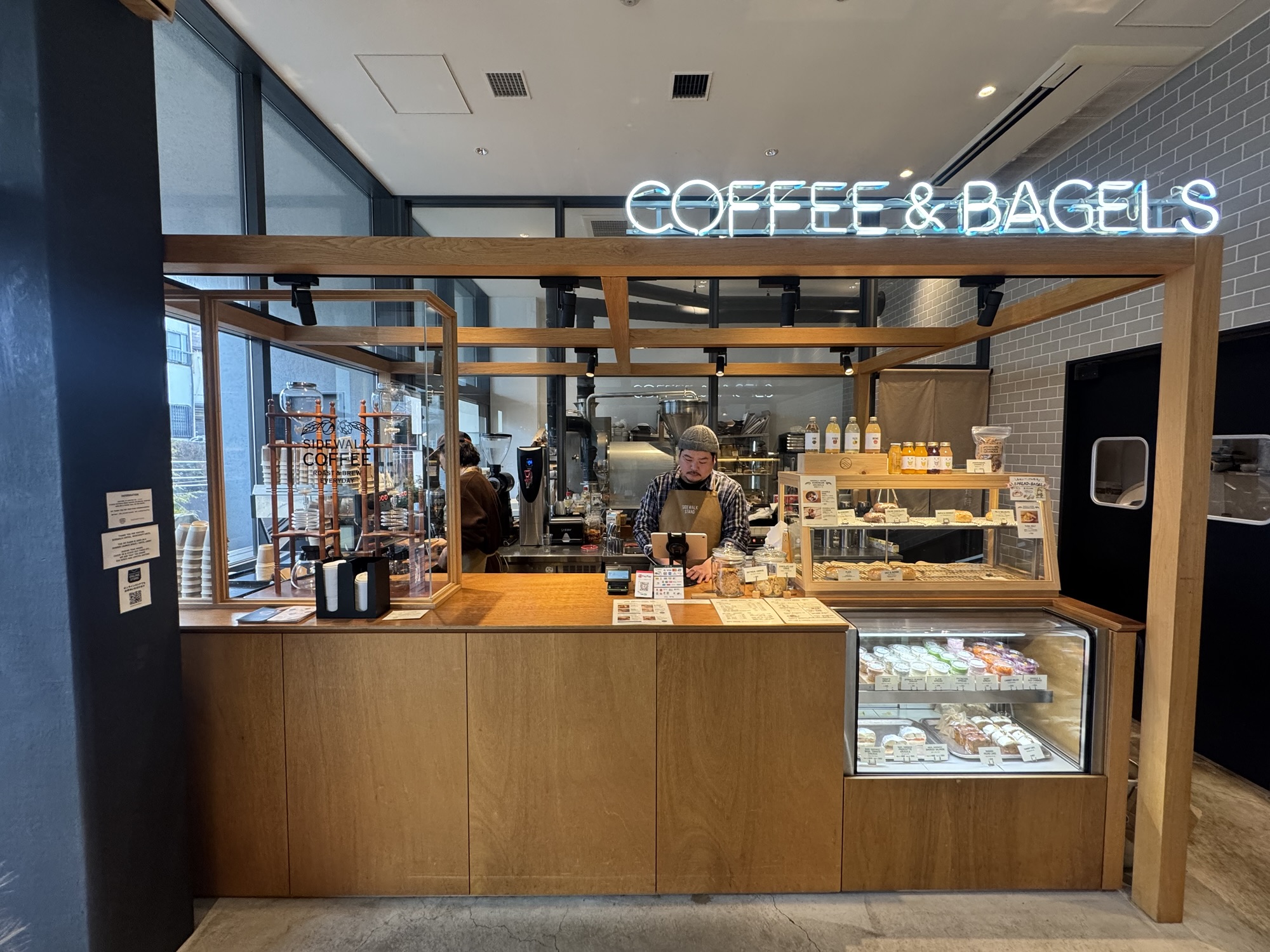
- Sidewalk Coffee: “Roast, brew, and bake everyday,” is the tagline for this trendy establishment with three locations in Tokyo. We visited the Shimokitazawa location, connected to the Mustard Hotel. I got the vibe a lot of digital nomads and students frequent this location. I highly recommend trying one of my favorite flavor combinations, the orange mocha, with house-made orange syrup, as well as a freshly baked bagel. Then, sit back on the patio and watch through glass windows as the staff roasts and bakes right before your eyes.
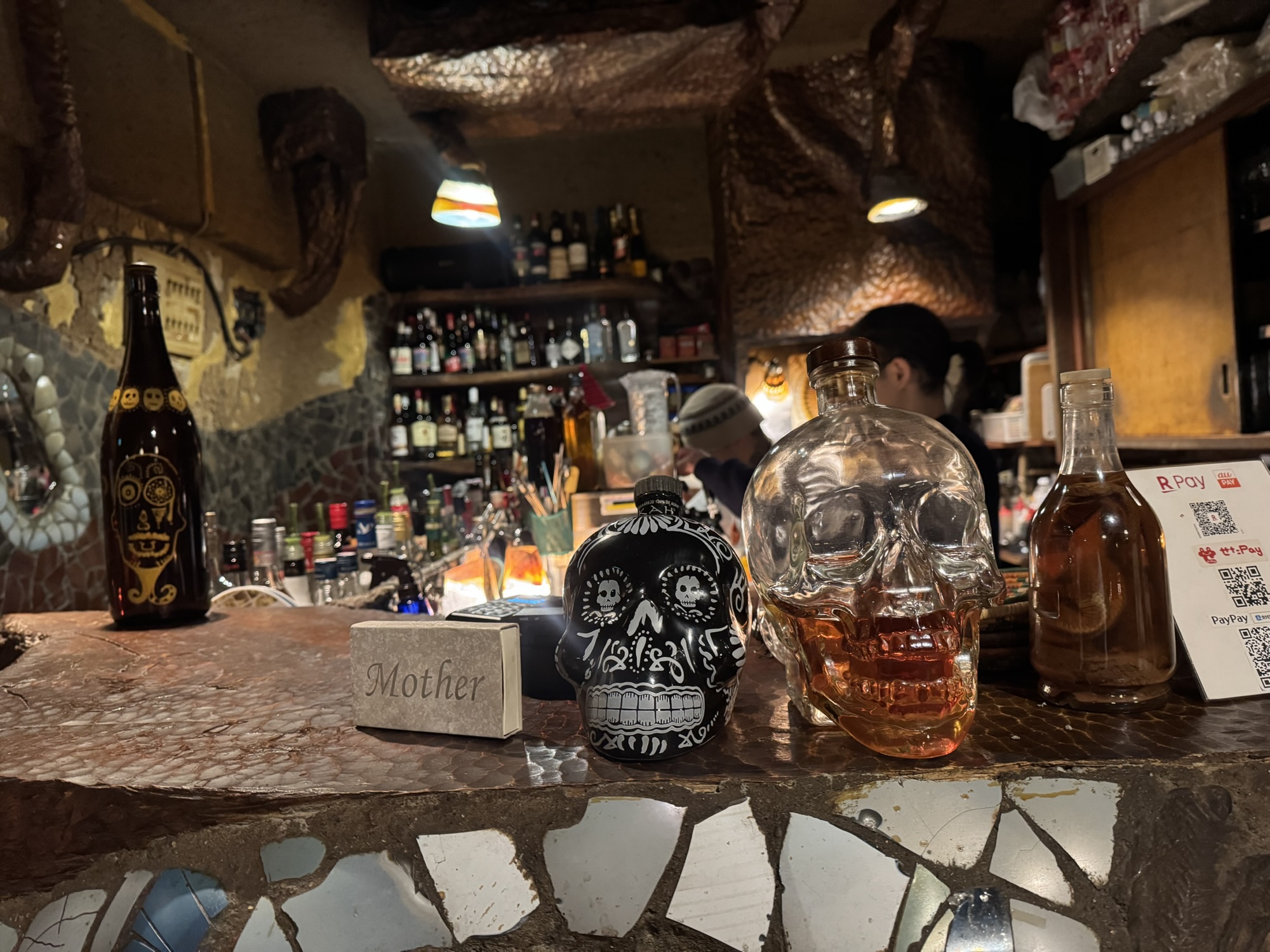
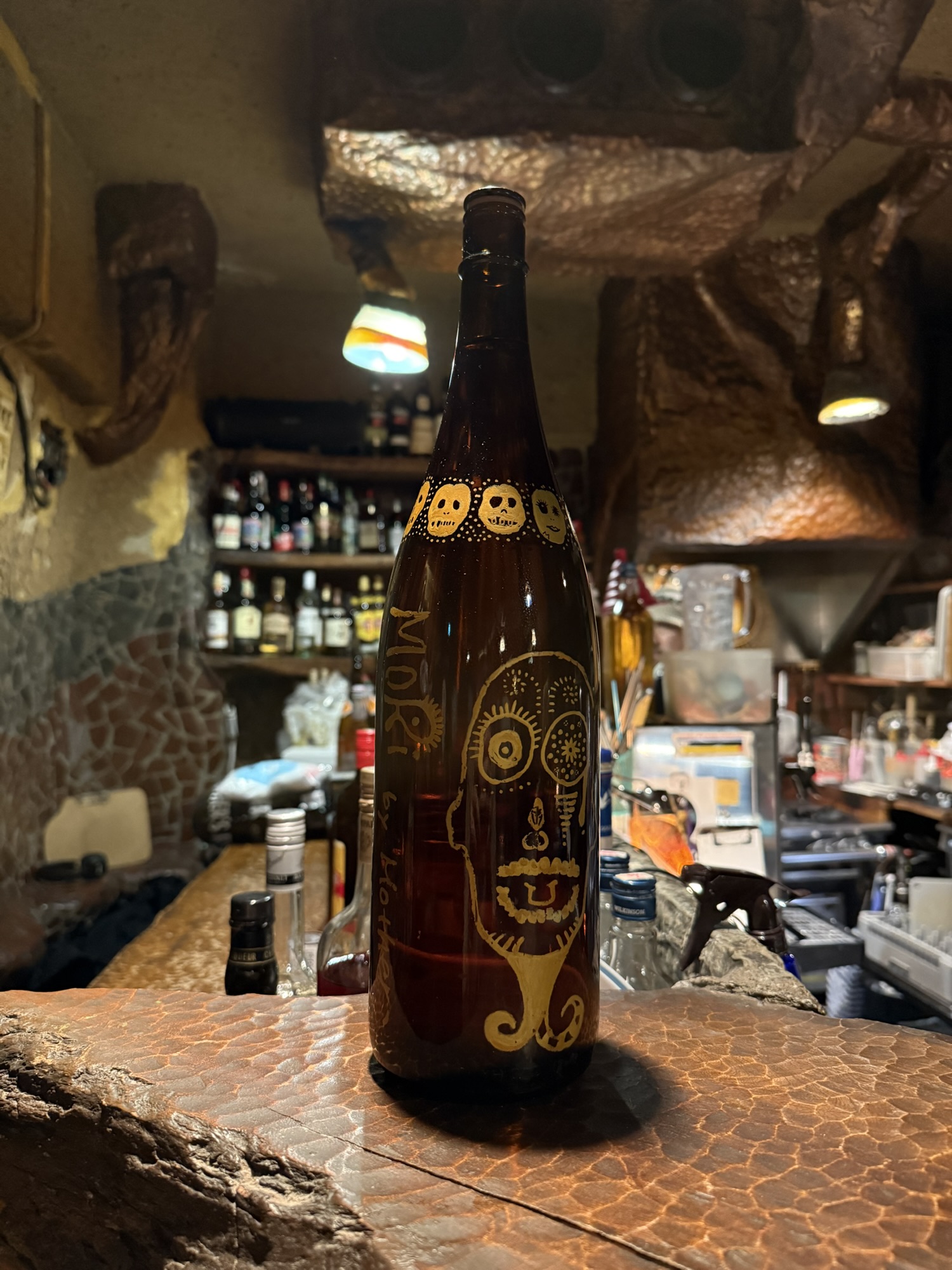
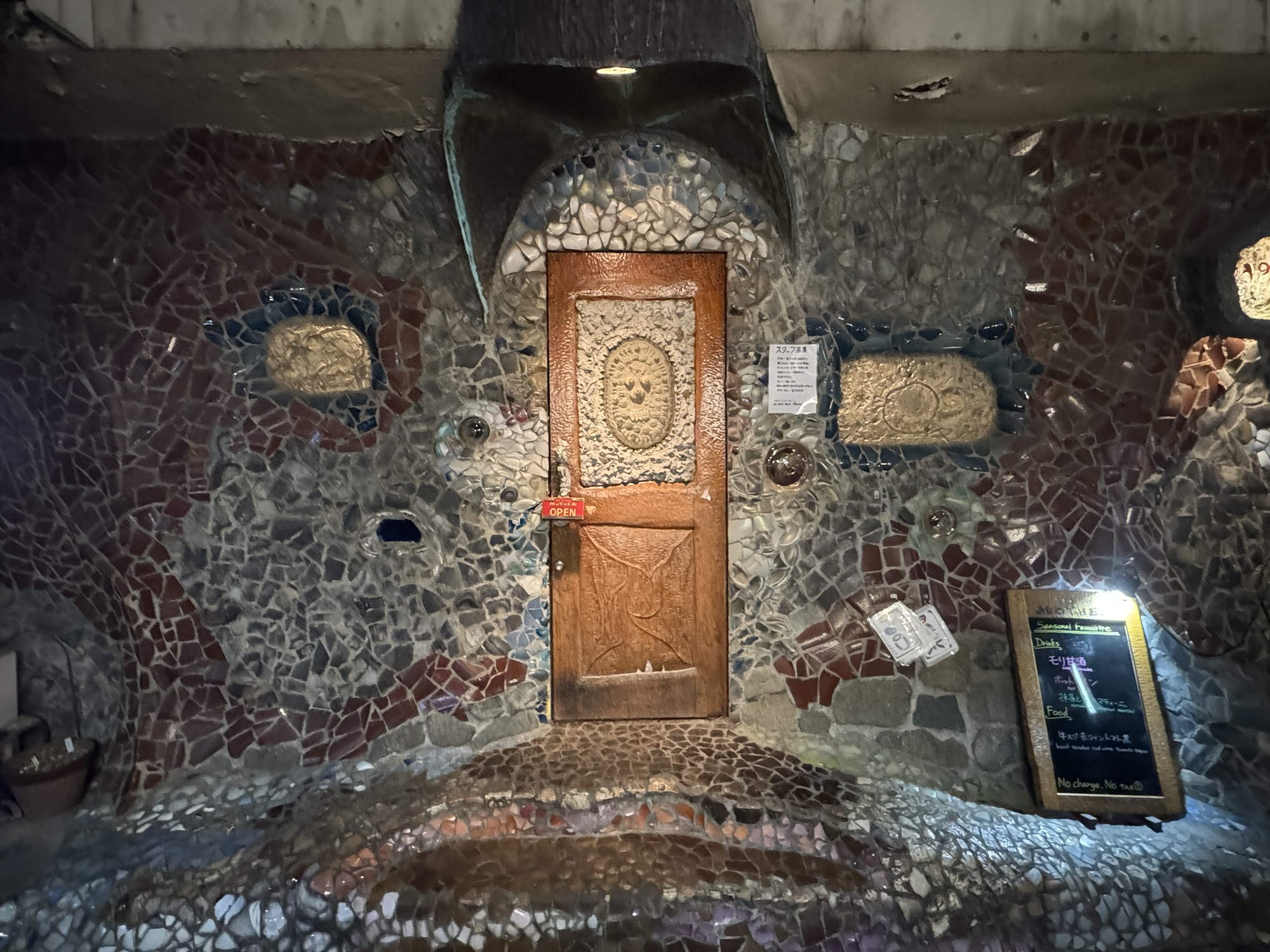
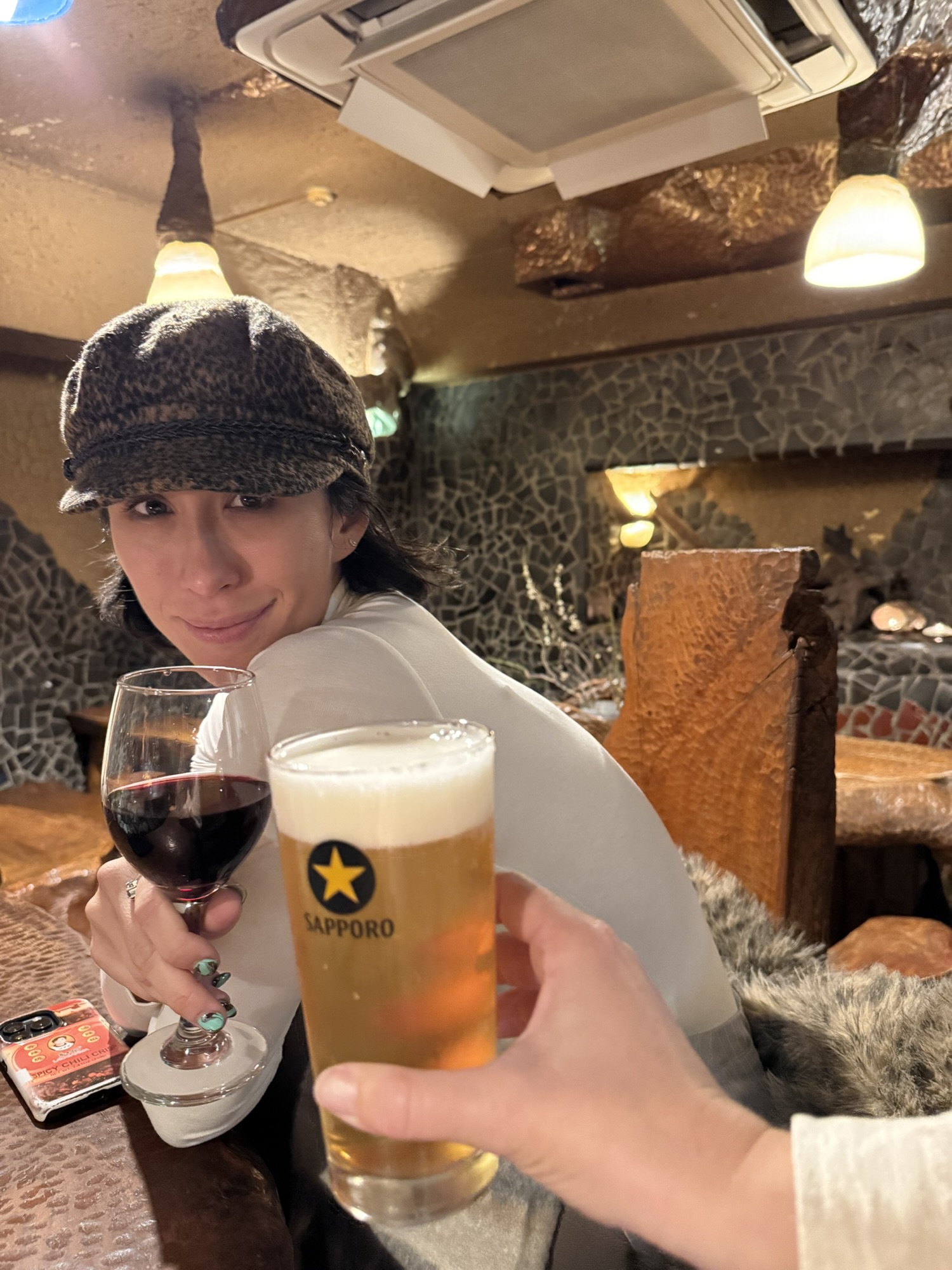
- Mother Bar: If you’re not keeping your eyes peeled for the zany, you’ll assume this mosaic wall is an ancient piece of architecture left behind by Neo-noir futurism. Upon closer inspection, a door will appear, and, befuddled, you’ll exclaim to yourself, “What is this?!” Enter Mother Bar, a hidden gem transporting you to the insides of a cave. You’ll find literally everything on the menu, including a snake-infused tequila, their cinnamon-infused tequila, “Mori,” beers, wine, and even nachos. The best part of Mother is the friendly staff; we met owner Kuro-san, who is an avid lover of rock music, motorcycles, and the desert. We bonded over his love for Arizona, which is where he and his wife were married. As an Arizona-native, it’s a mind-fuck to think anyone from Asia would want to visit the slow, seemingly un-inhabited southwest, but maybe that’s exactly why.
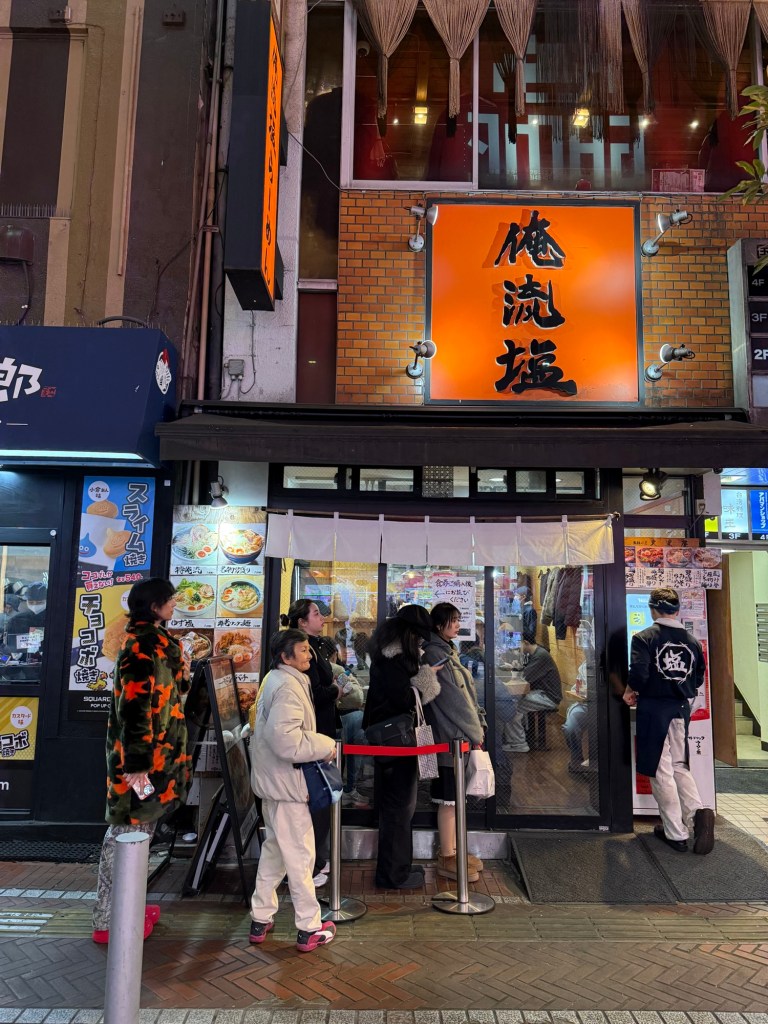
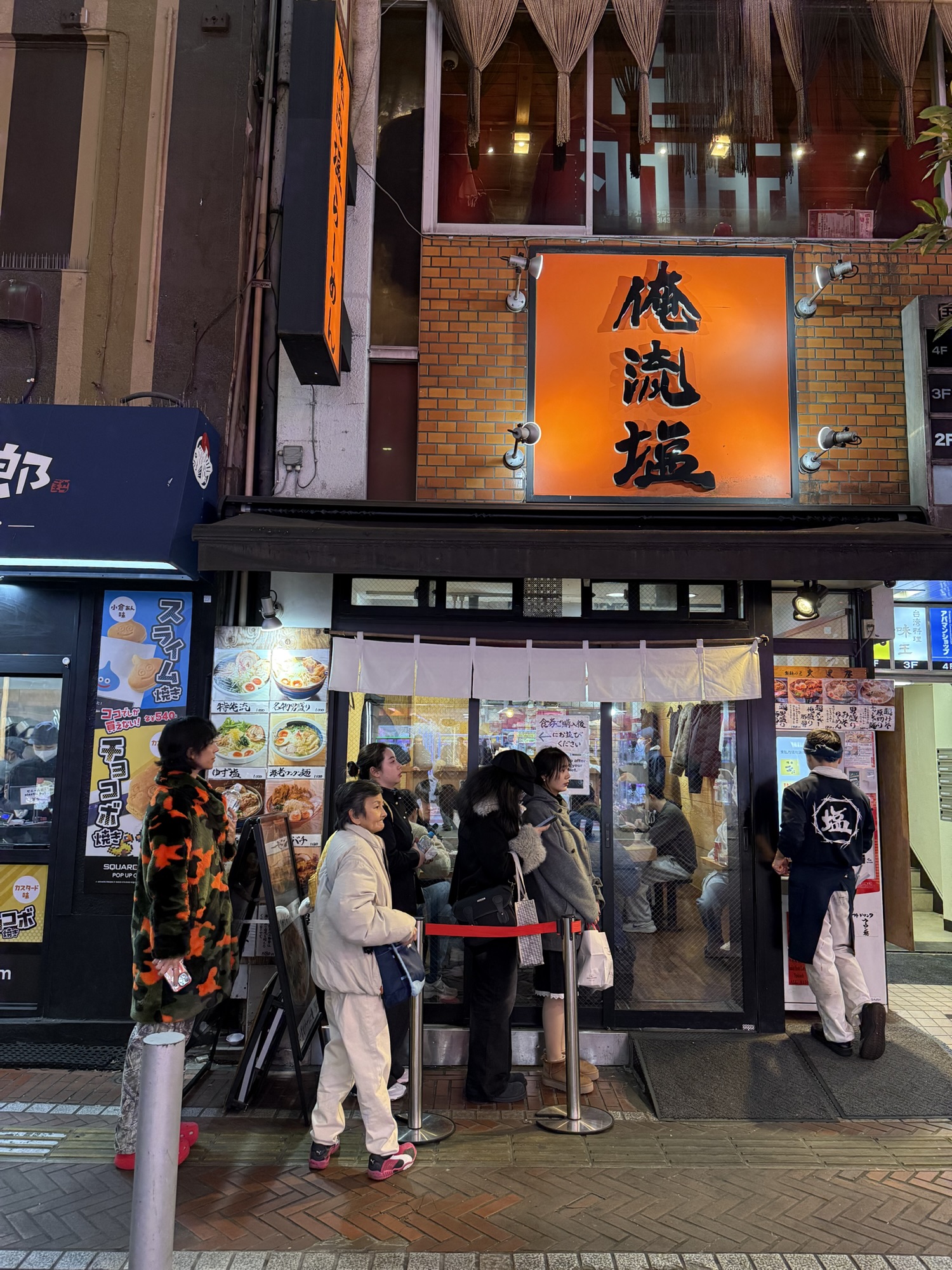
- Oreryū Shio Ramen: Known for its fried chicken ramen, Oreryū draws global attention; its long line is exactly why my partner chose it for her third day of ramen. Be prepared to wait at least 30 minutes before getting a seat. Though the fried chicken itself was well-worth the wait, the soup base and noodles were pretty standard. Because the bowls range from $5-$10 USD, I am willing to overlook the details. A well-rounded, cheap bowl of ramen will always hold a special place in my heart.
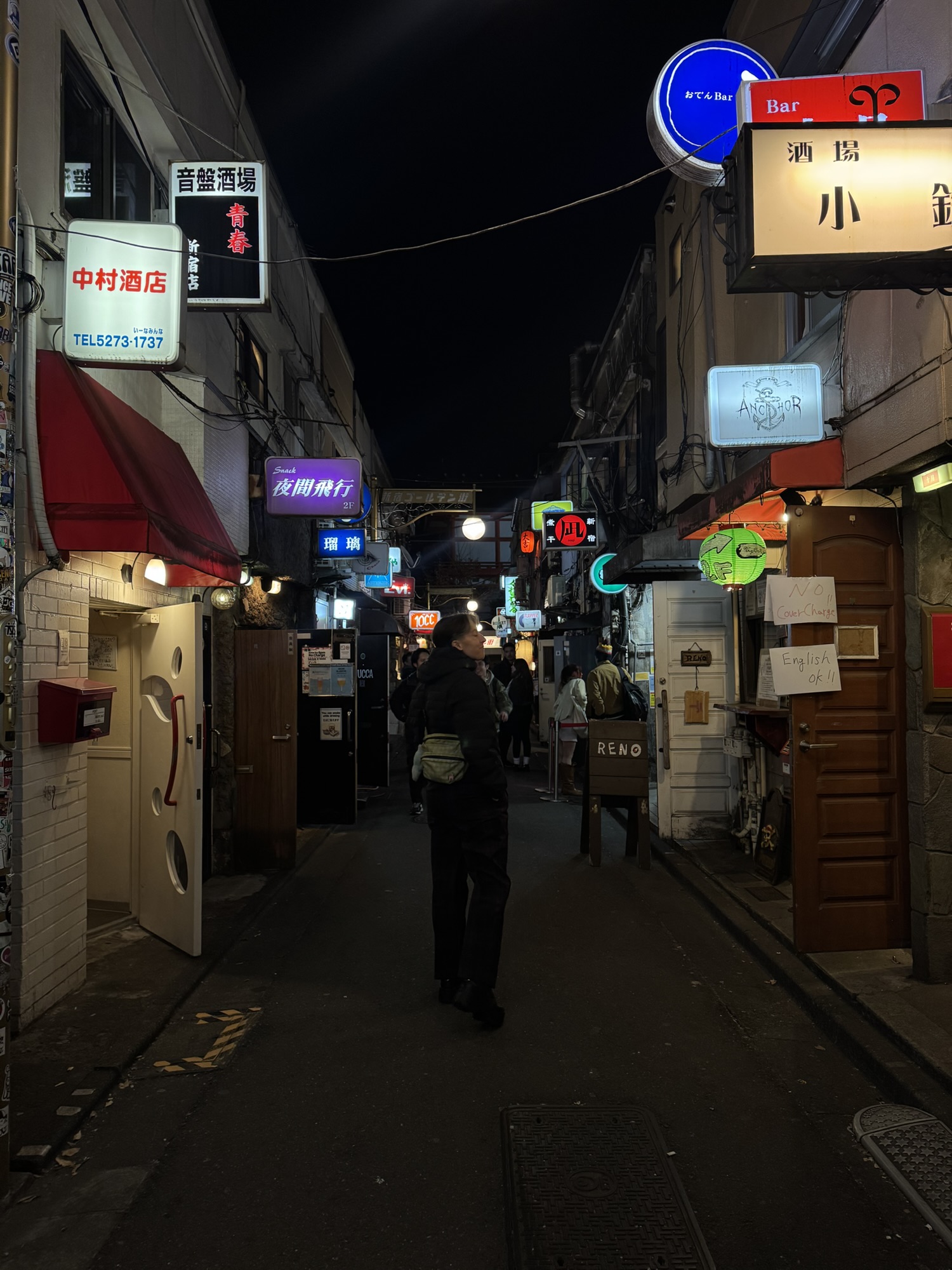
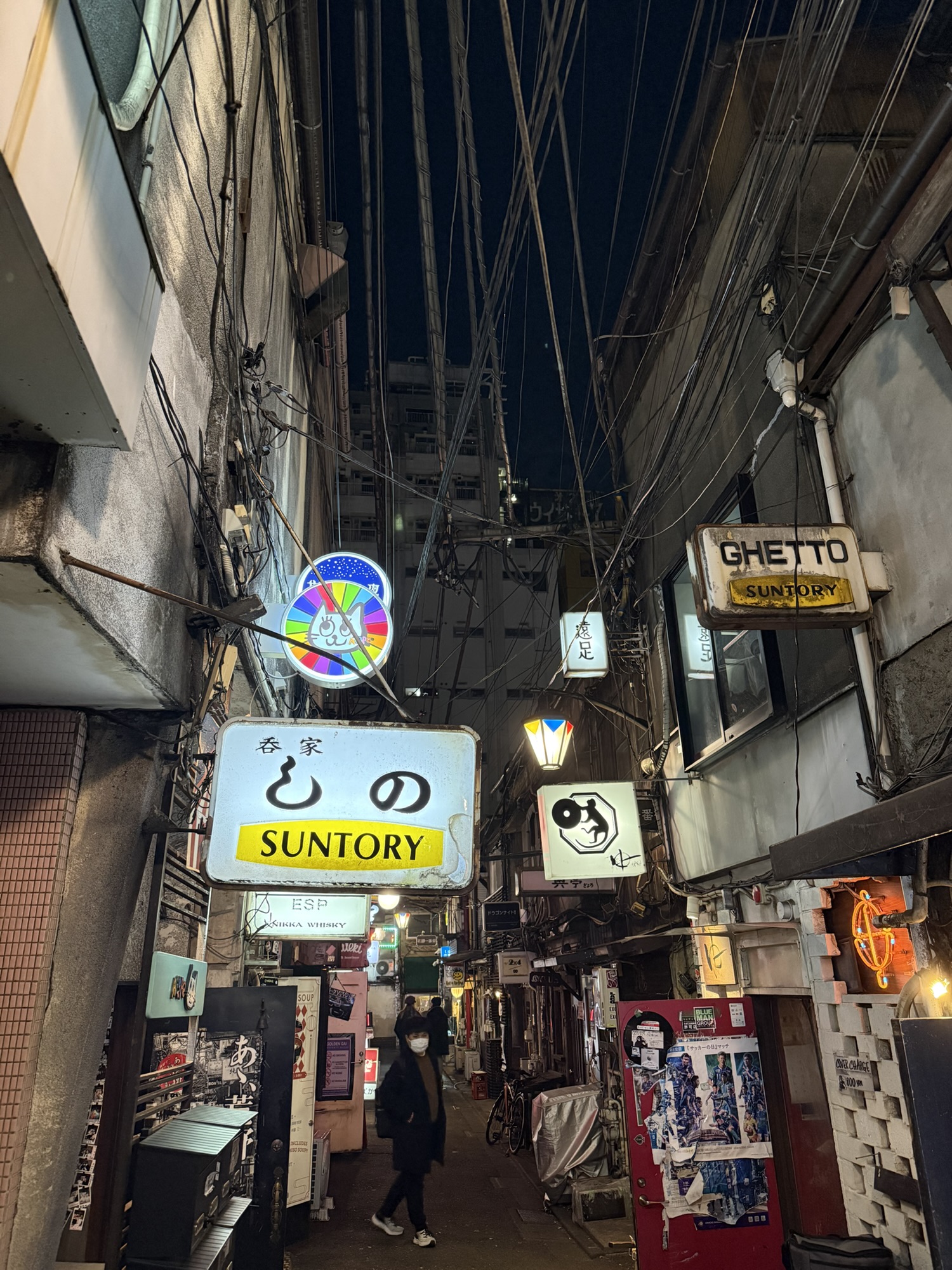
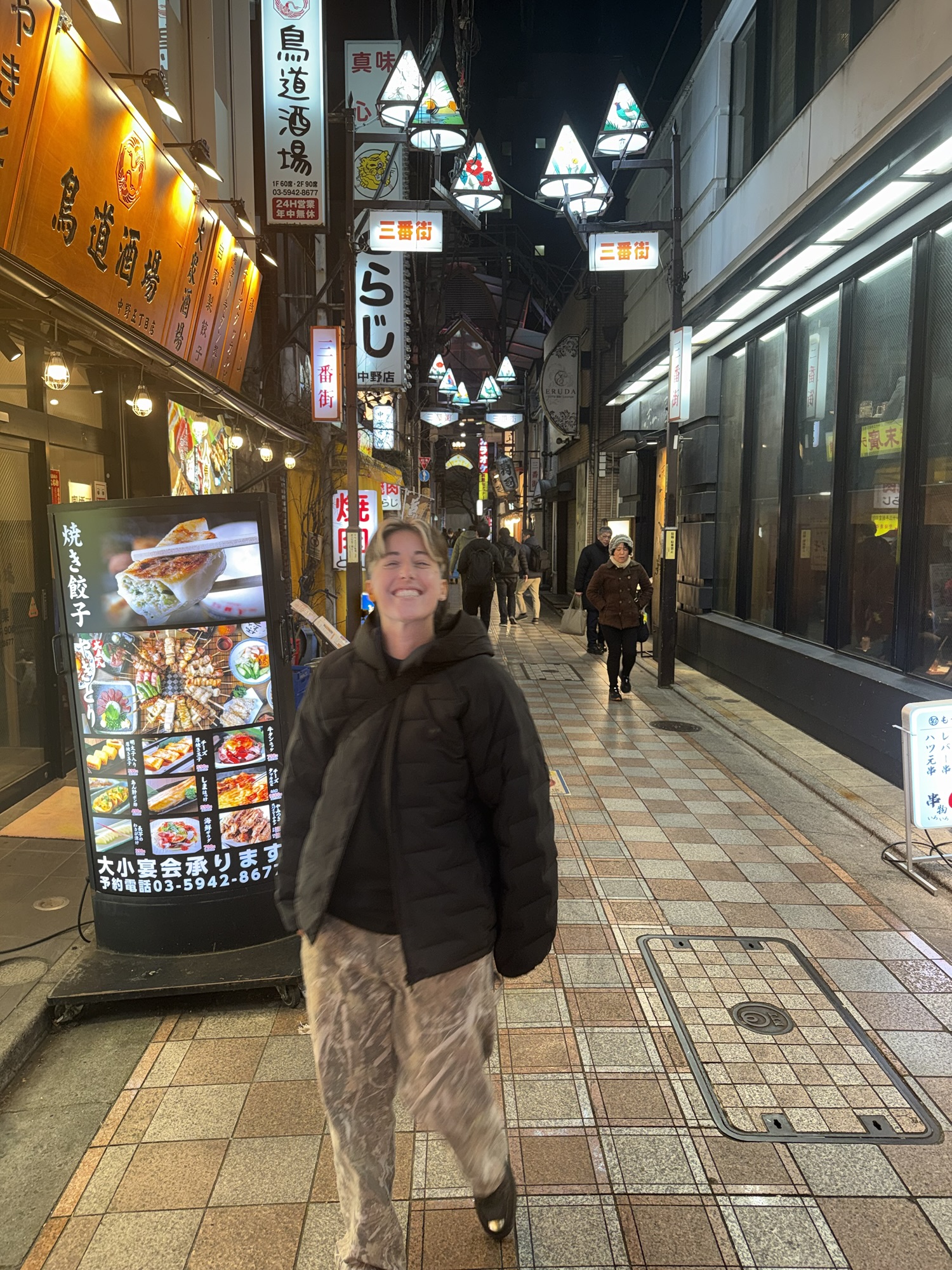
- Golden Gai: The most famous nightlife district in Shinjuku. And though we didn’t actually spend any time in the bars, we had fun wandering and people watching. As a huge fan of Akira, I felt transported to the pages of Katsuhiro Otomo’s cyberpunk setting. There are over 200 tiny bars in six, different alleyways with the ability to host no more than 10 people in each; yet, the alleyways felt packed with hundreds. We chose to visit on a Thursday, so there’s no telling what a weekend navigating these tight streets would be like.
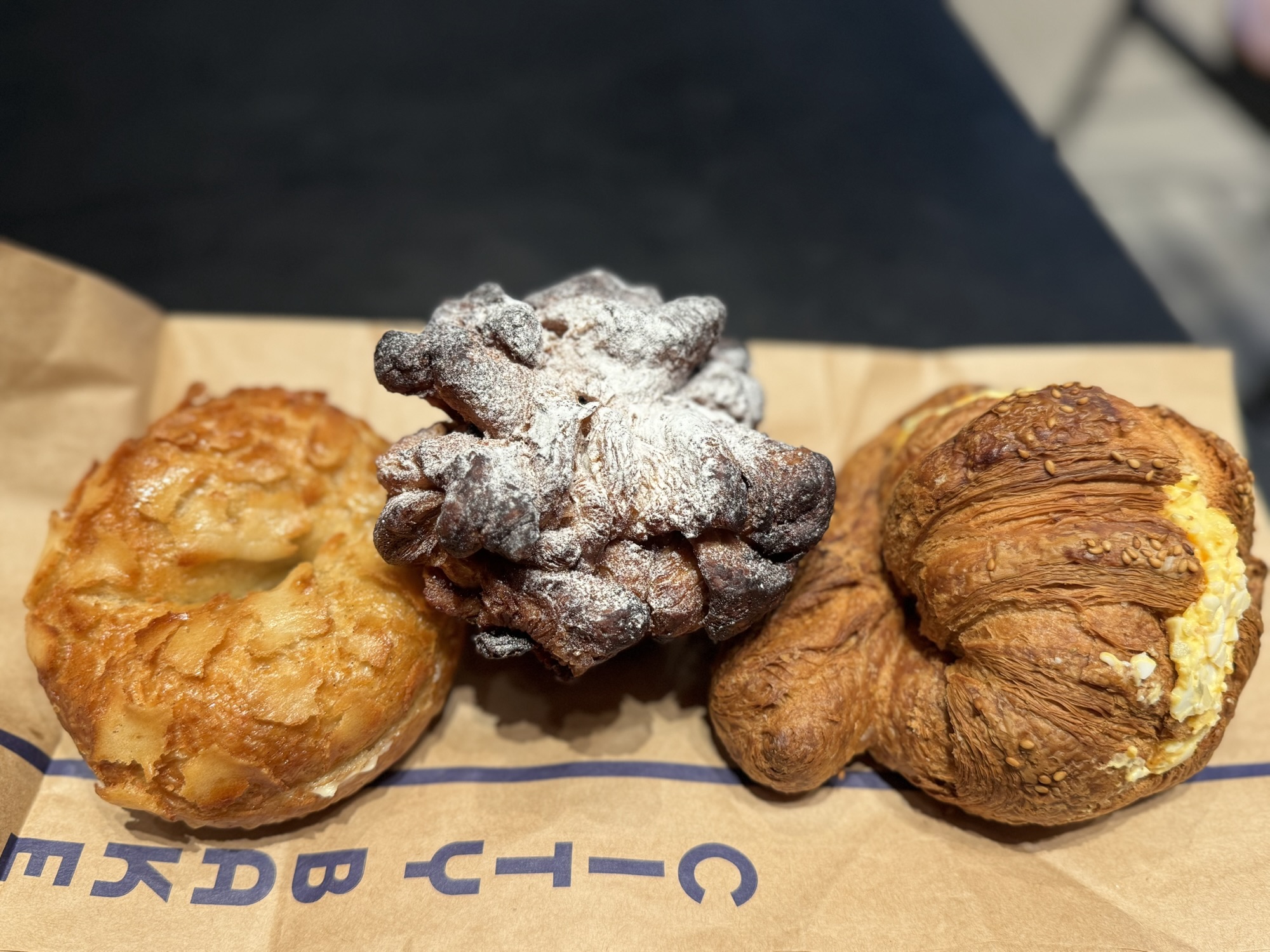
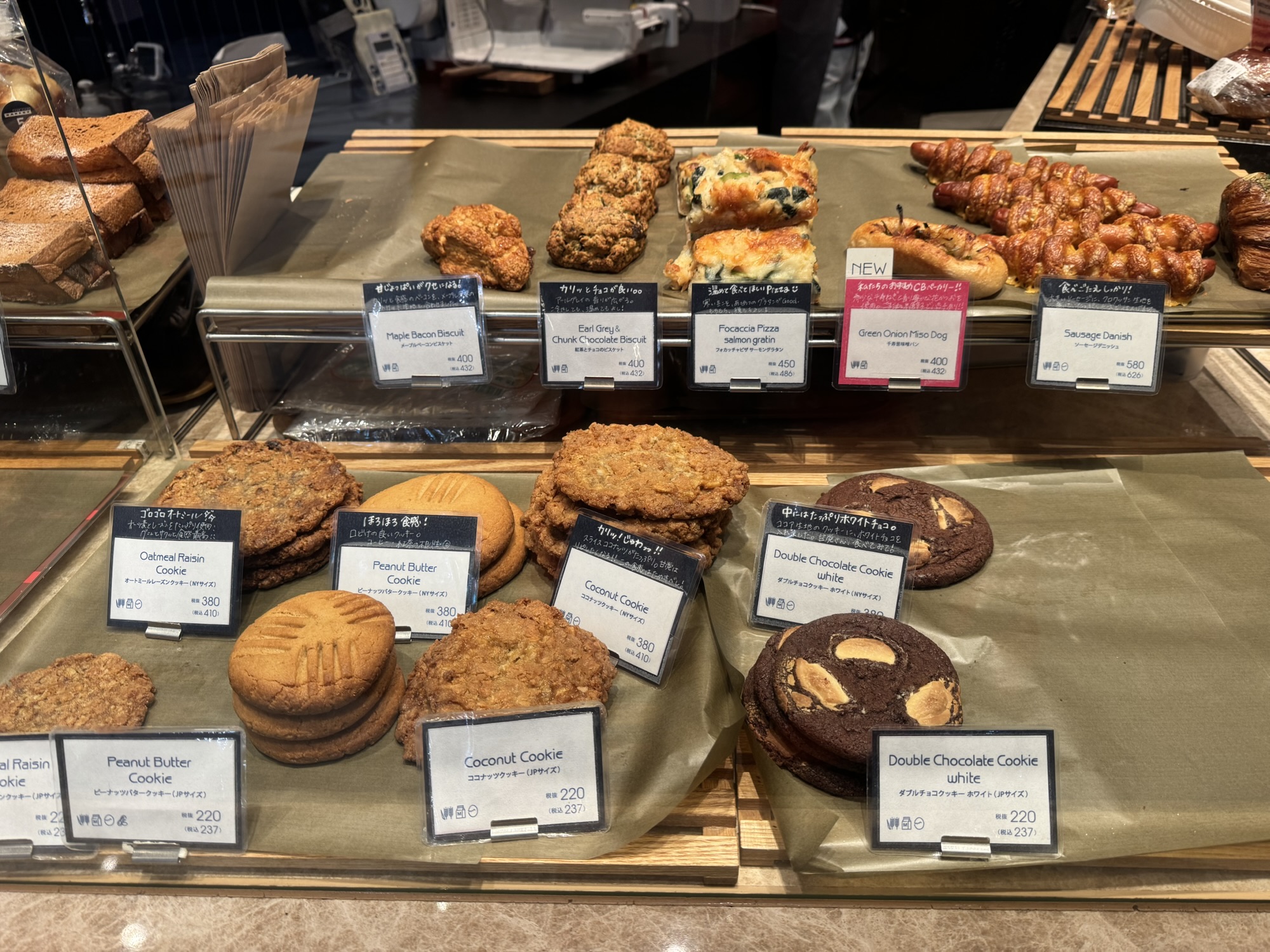
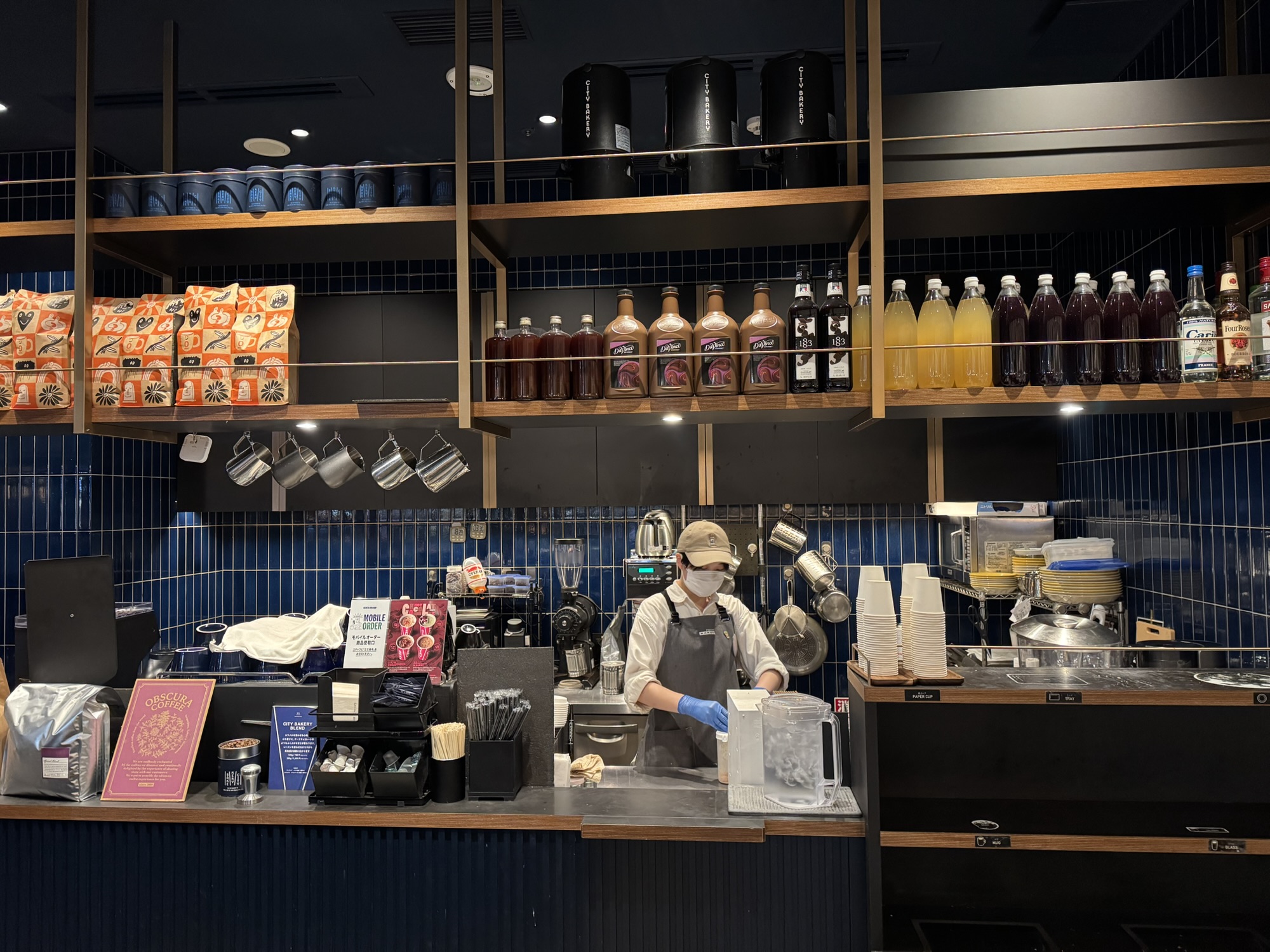
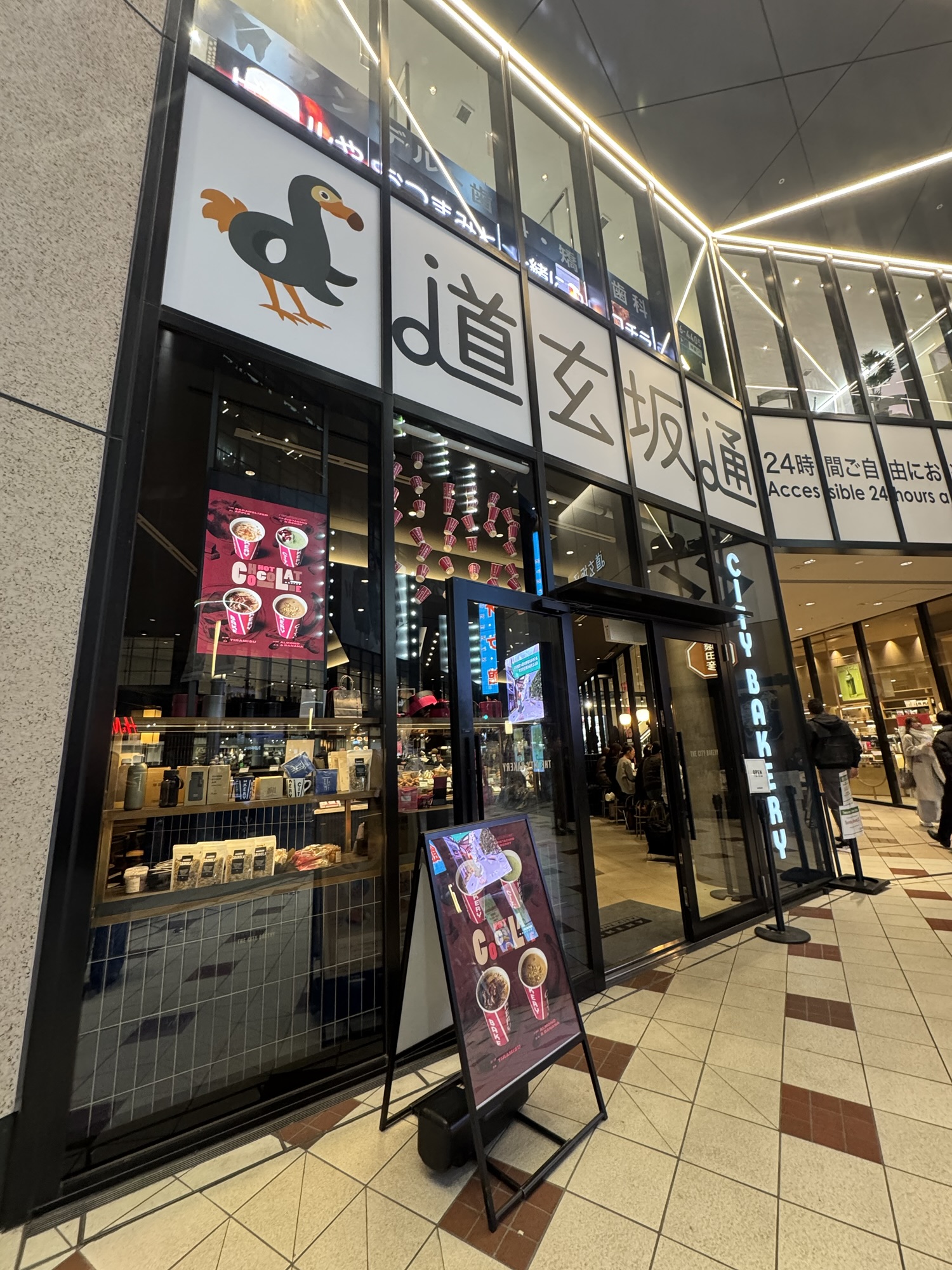
- City Bakery: Winters in Japan are not for the weak, and since I live on an island in the Tropic of Cancer, I am just that. City Bakery with its advertised, varying flavors of hot chocolate, knew exactly who they were marketing to, and thus took loads of my money every morning in Shibuya. Though there are many coffee and tea options, I have to entice you into trying the apple pie hot chocolate when you visit in the winter. For less than $5 USD you will get a drink that tastes nothing like apple pie or hot chocolate, but instead a sweet, yet savory combination of umami that melts in your mouth. Hear me out, okay: it’s best described as cheesy. Don’t judge, just try it. And if you hate it, there are loads of baked goods on the menu to make up for it. The kouign-amann and vanilla bean bagel were two of our favorites.
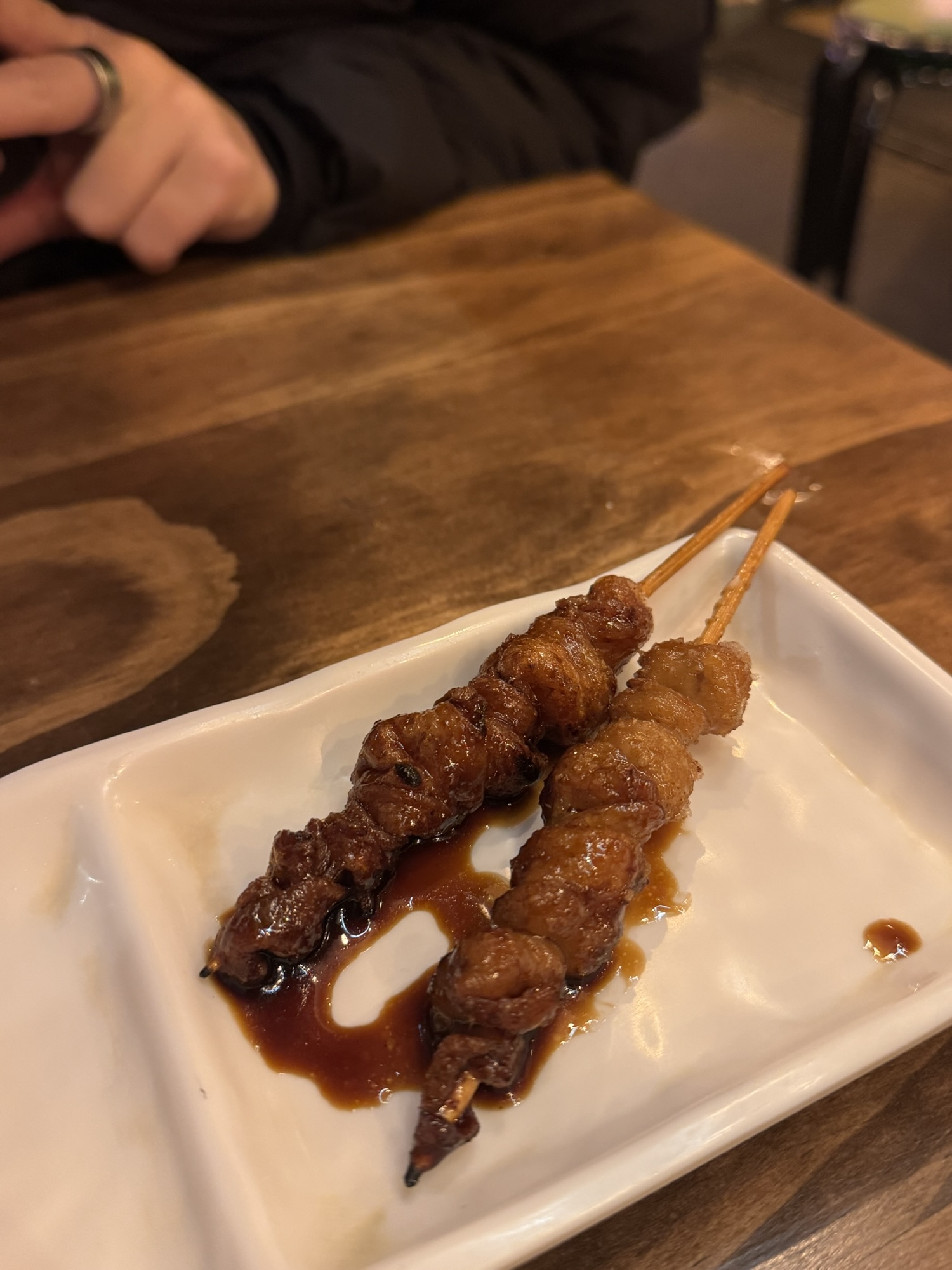
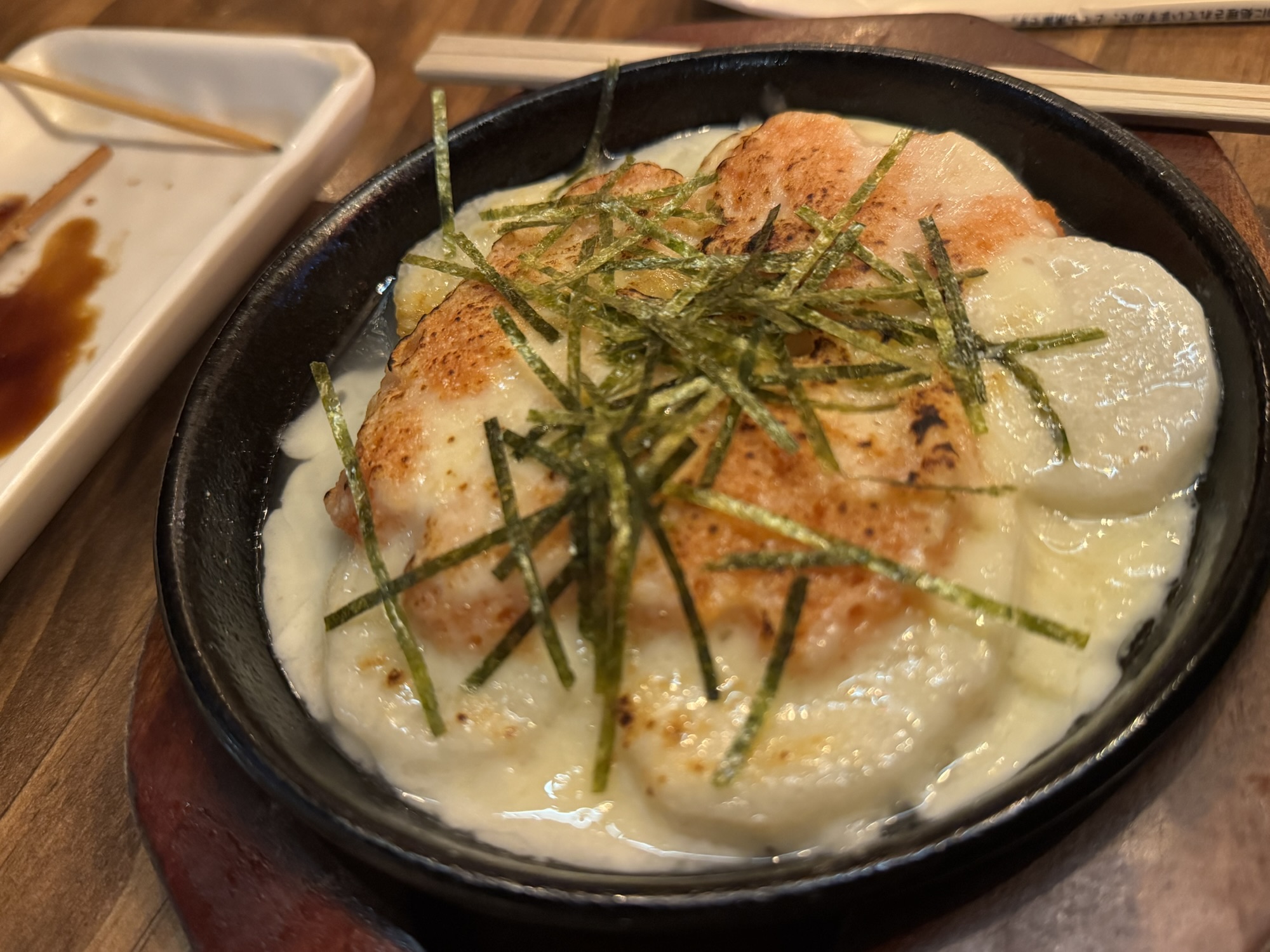
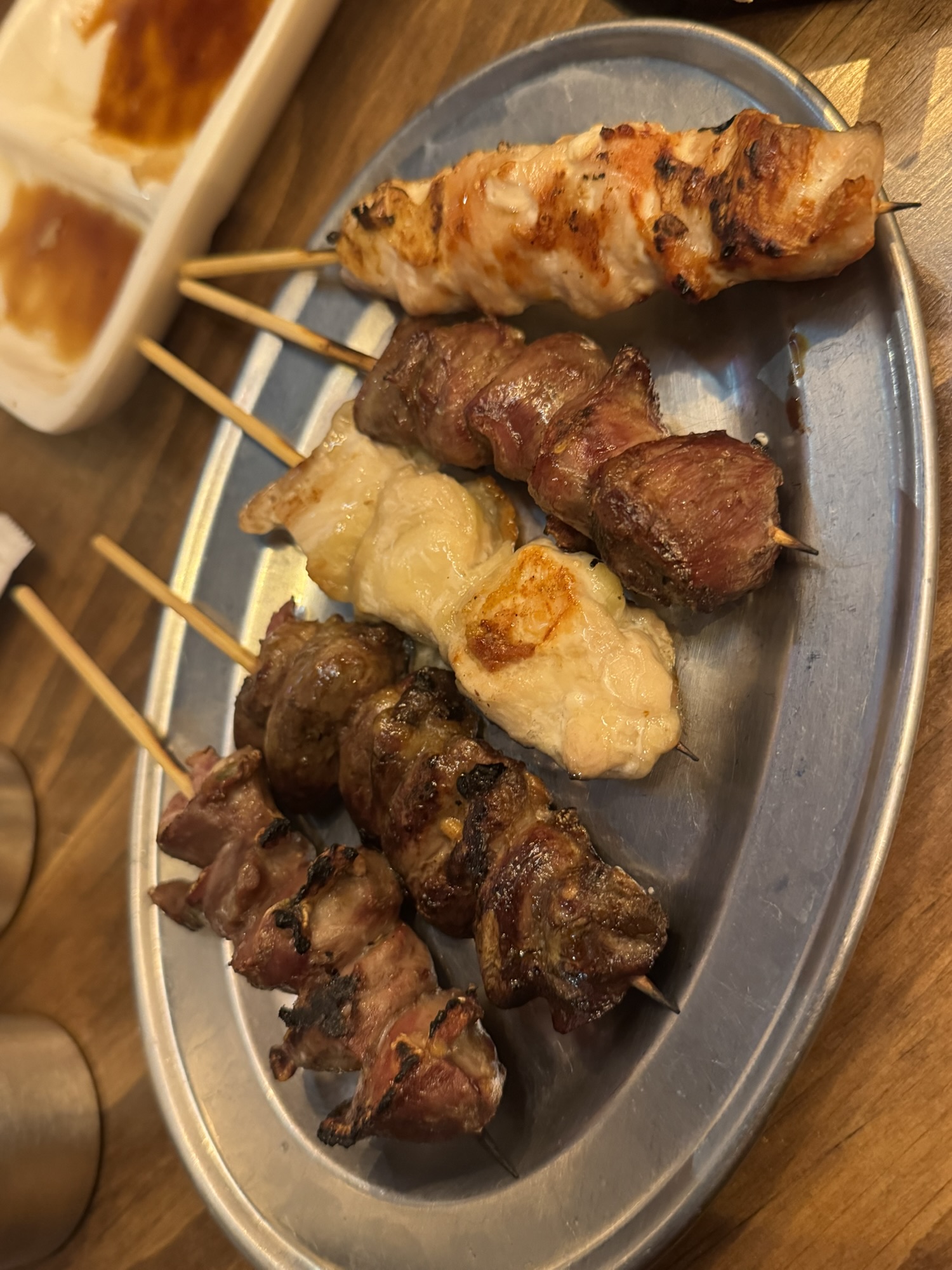
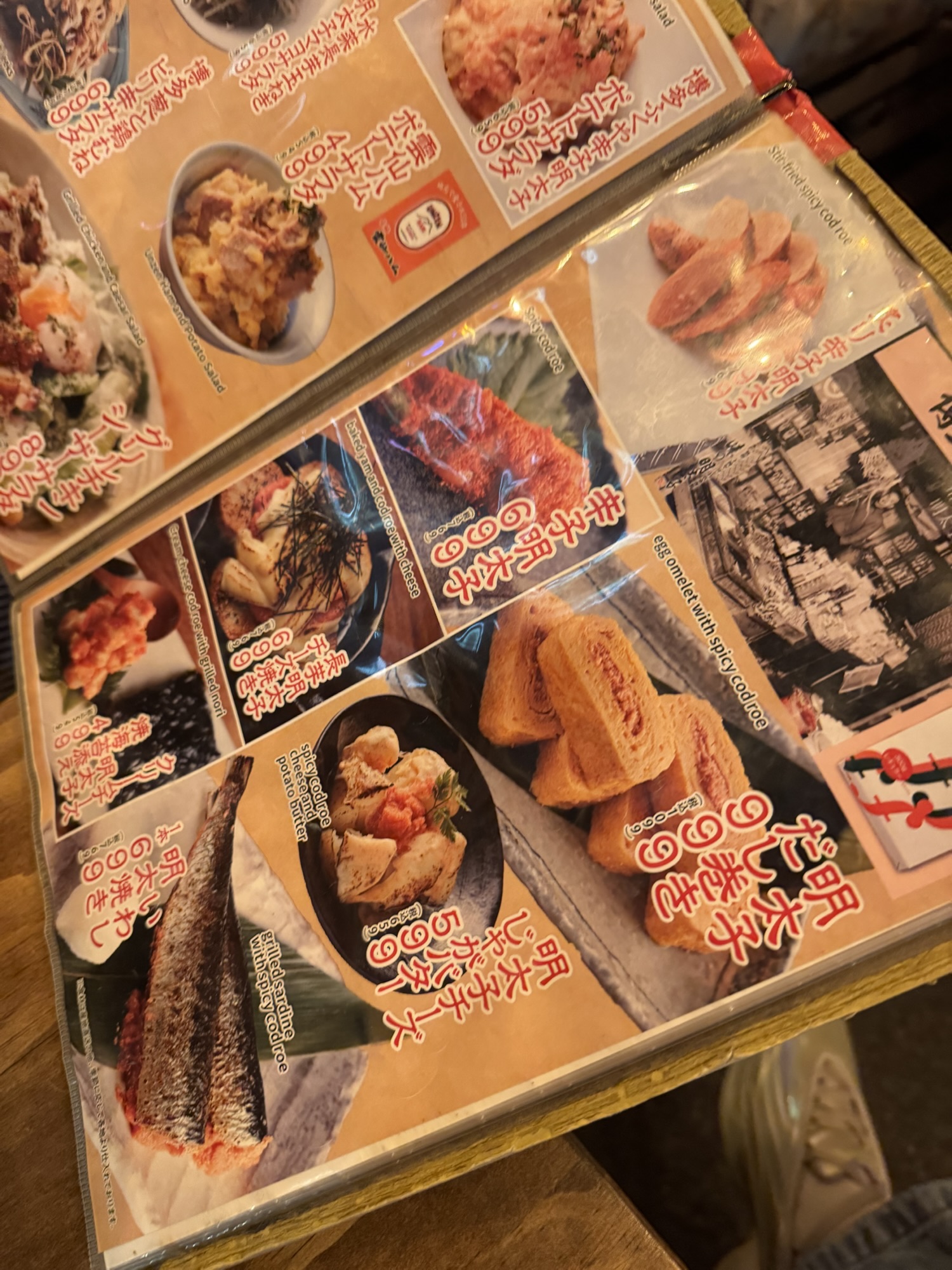
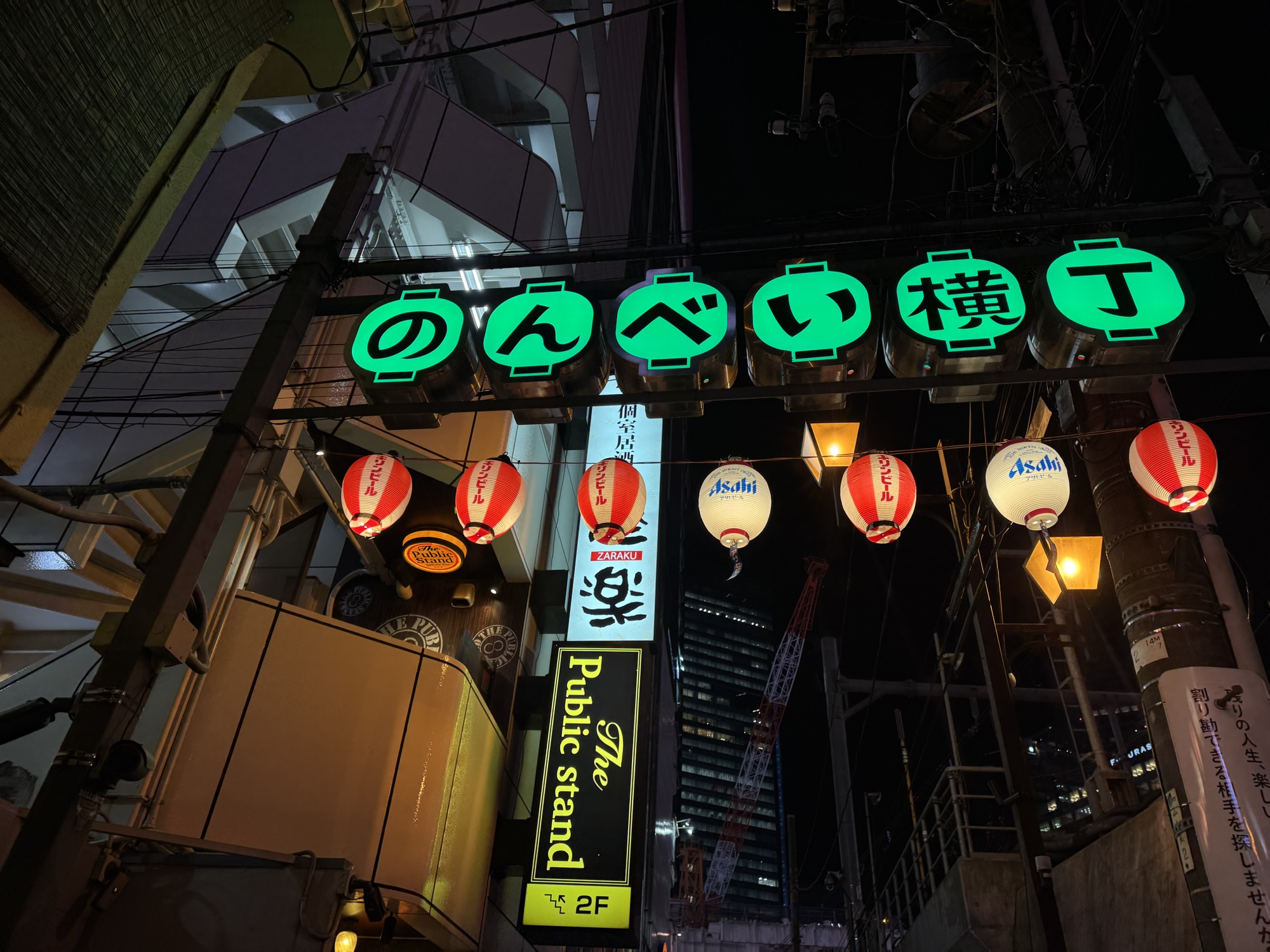
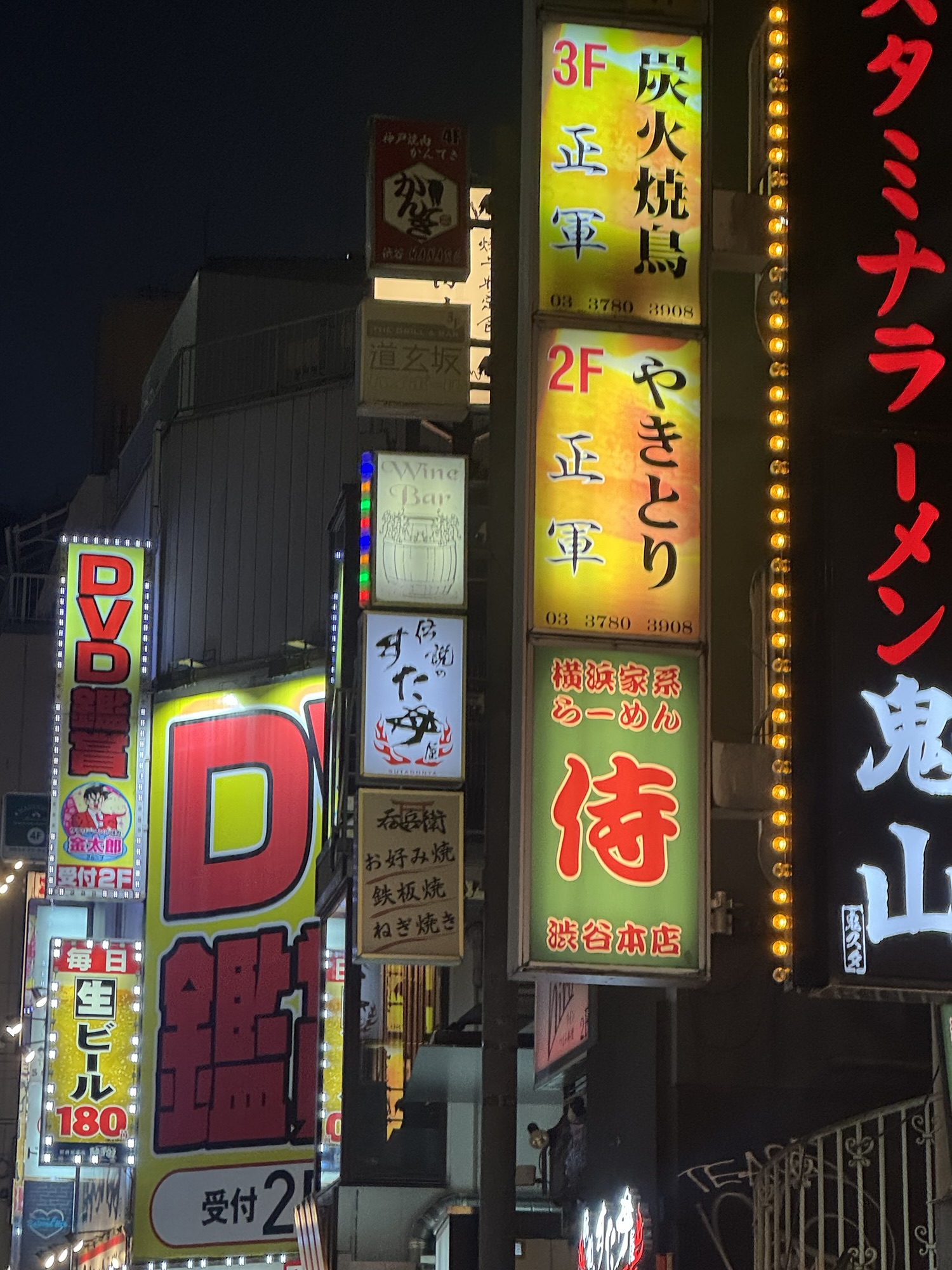
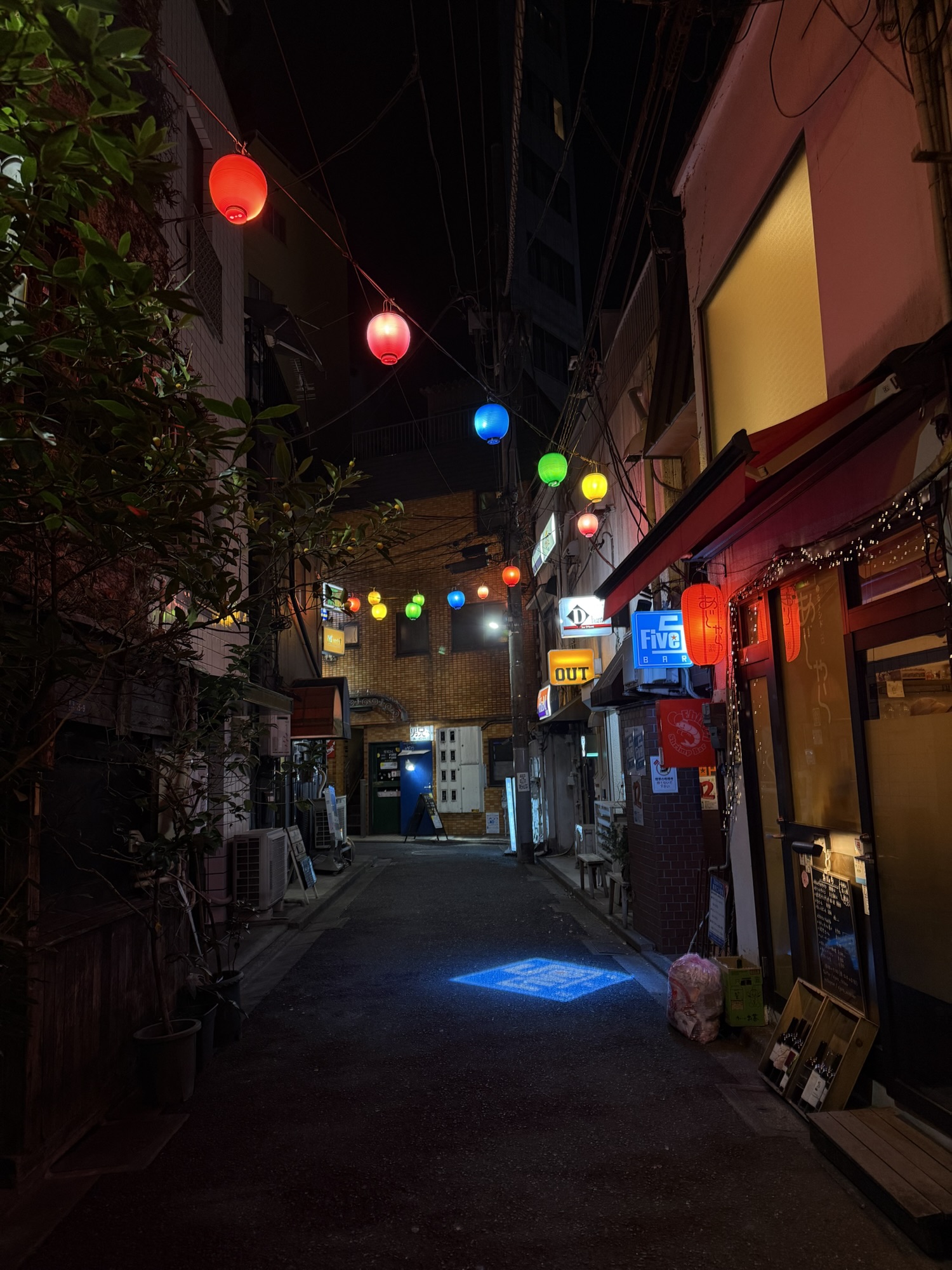
- Shibuya Nonbei Yokocho: The famous, lantern-lit alleyway of izakaya did not disappoint, though it did overwhelm our senses. With patrons taking up every inch of seating possible, and staff beckoning you in with their friendly words and enticing menu images, it’s hard to choose where to eat. We ended up picking yakitori and ordering gyoza, baked yam with cod roe and cheese, and the yakitori sampler of chicken thigh, skin, liver, and gizzard. The total bill was about $30 USD. Go for the experience and cheap food, not to be wowed by cuisine.
- Dogenzaka Church Bar: If there was a punch card system for Dogenzaka, I’d be getting free entry. Having visited every time I’ve been to Tokyo, I simply can’t think of a better place to party. Entry is admissible via one drink order, which includes NA beverages, too, so you control just how expensive you want your night to become. Dogenzaka is church-themed, with nuns as your bartenders and a local DJ, typically HD2, at the pulpit. The dance floor is big enough for maybe fifteen people, but there is pew-style seating for everyone else that isn’t lucky enough to fight their way to the front of the sermon. Highly recommend this spot if you enjoy heresy, EDM, and dancing all night long.
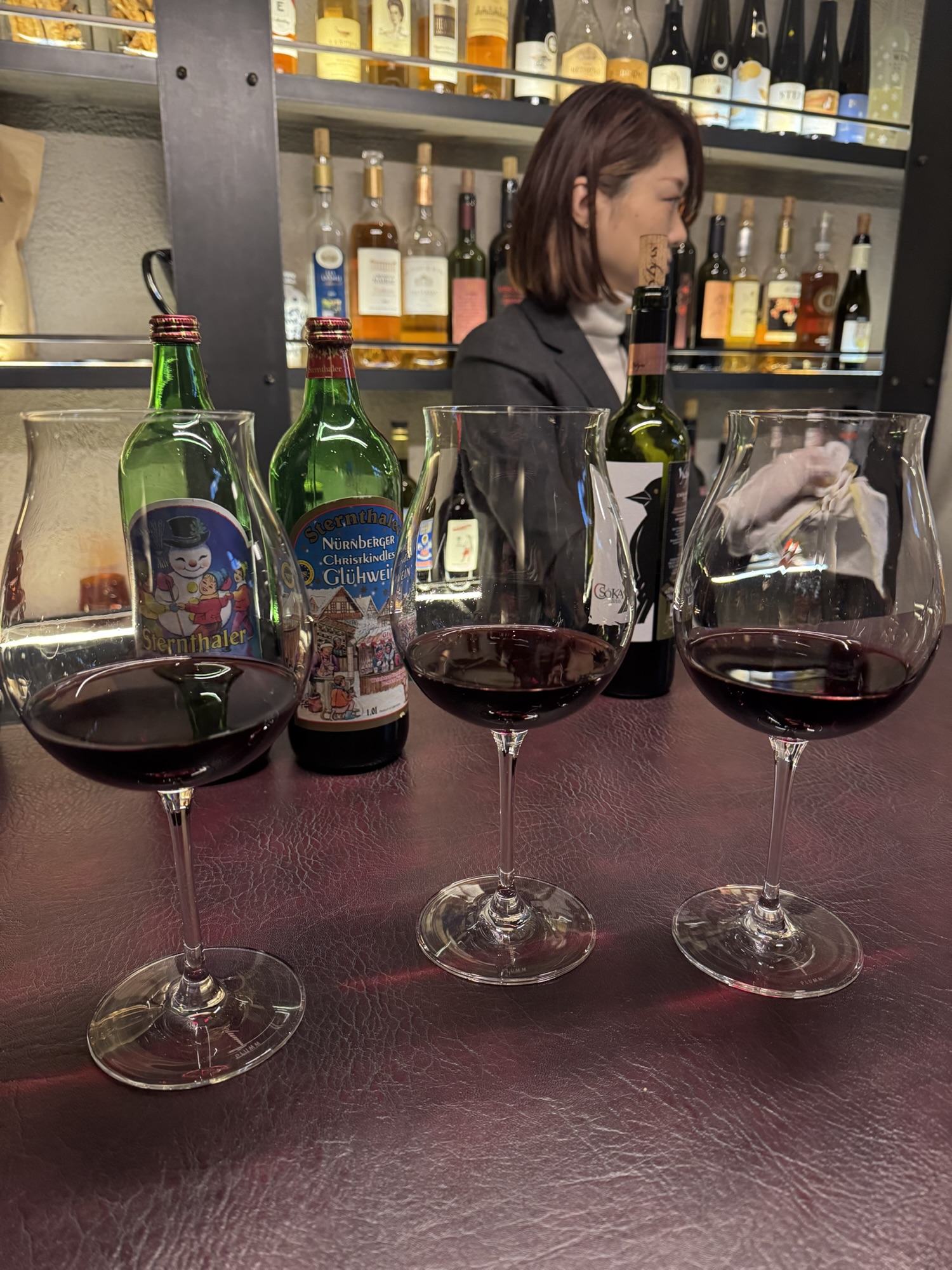
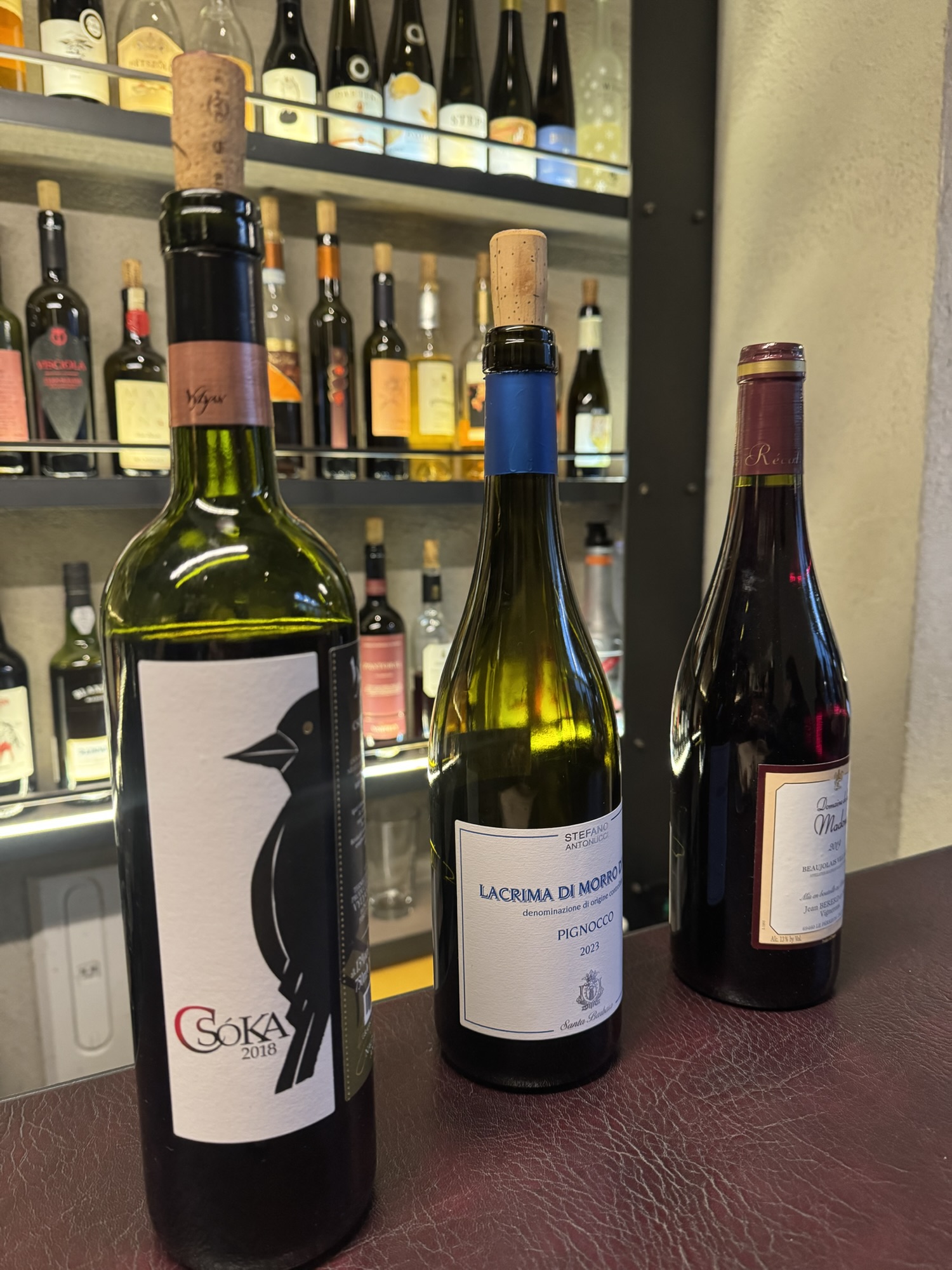
- Fairground Bar & Wine: Located in my favorite neighborhood, Shimokitazawa, Fairground is an intimate bar with a huge variety of wines to choose from. Though the glass options are limited to three wines per grape variety, you can buy a bottle from the storefront, pay the corkage fee, and enjoy it at the bar. Bottles are imported from all the greatest regions of the world, including Italy, France, and New Zealand. We opted for the 2018 Soka from Hungary, which was a medium-bodied, fruity red wine. The bottle cost us about $45 USD, split three ways. Since this is an elevated establishment, expect to shell out a little more. Not budget-friendly, but very palate-friendly. If you’re looking for snacks, you can find tapas like olives, meats, and varying cheeses.
OTHER EXPERIENCES
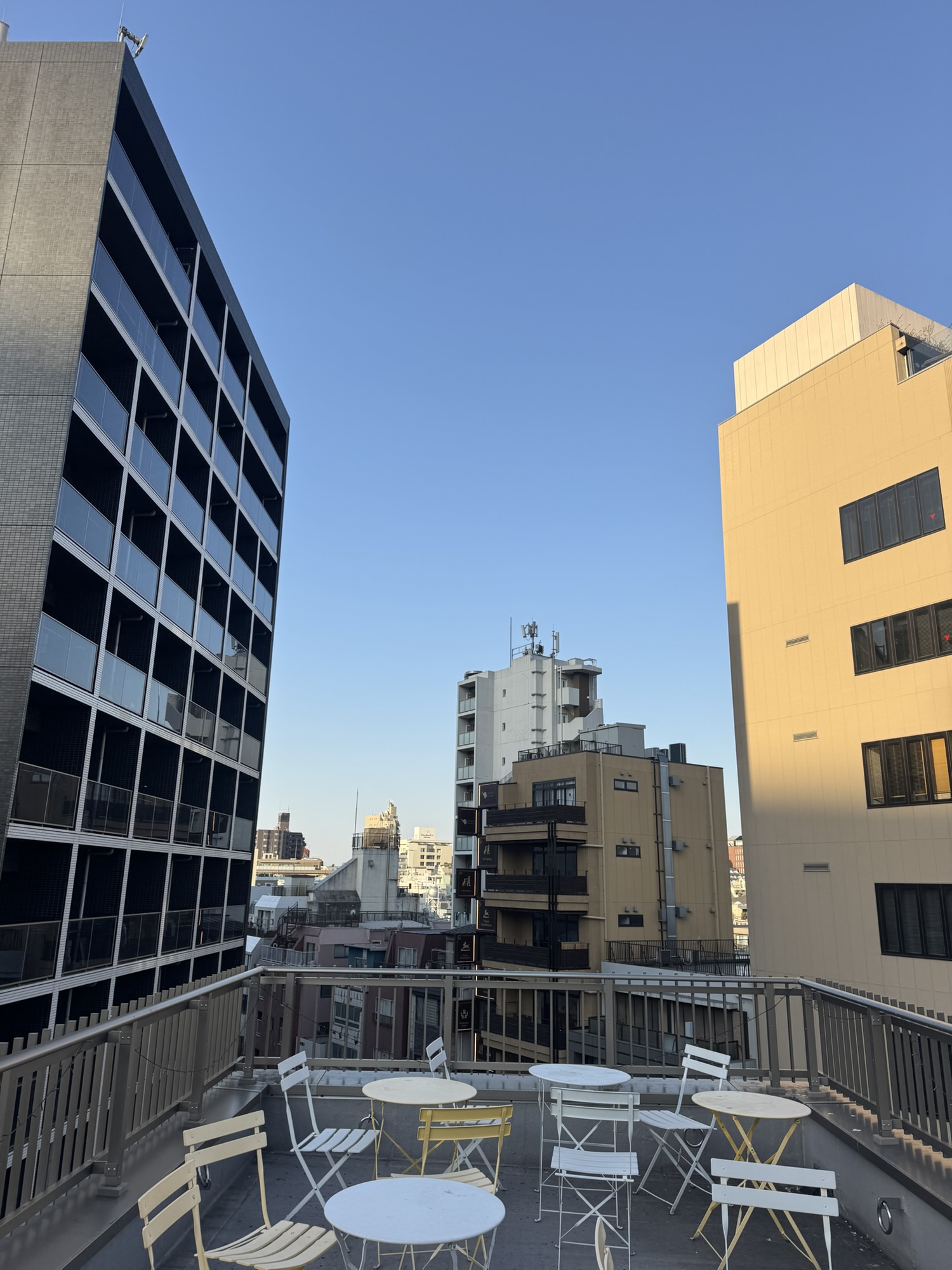
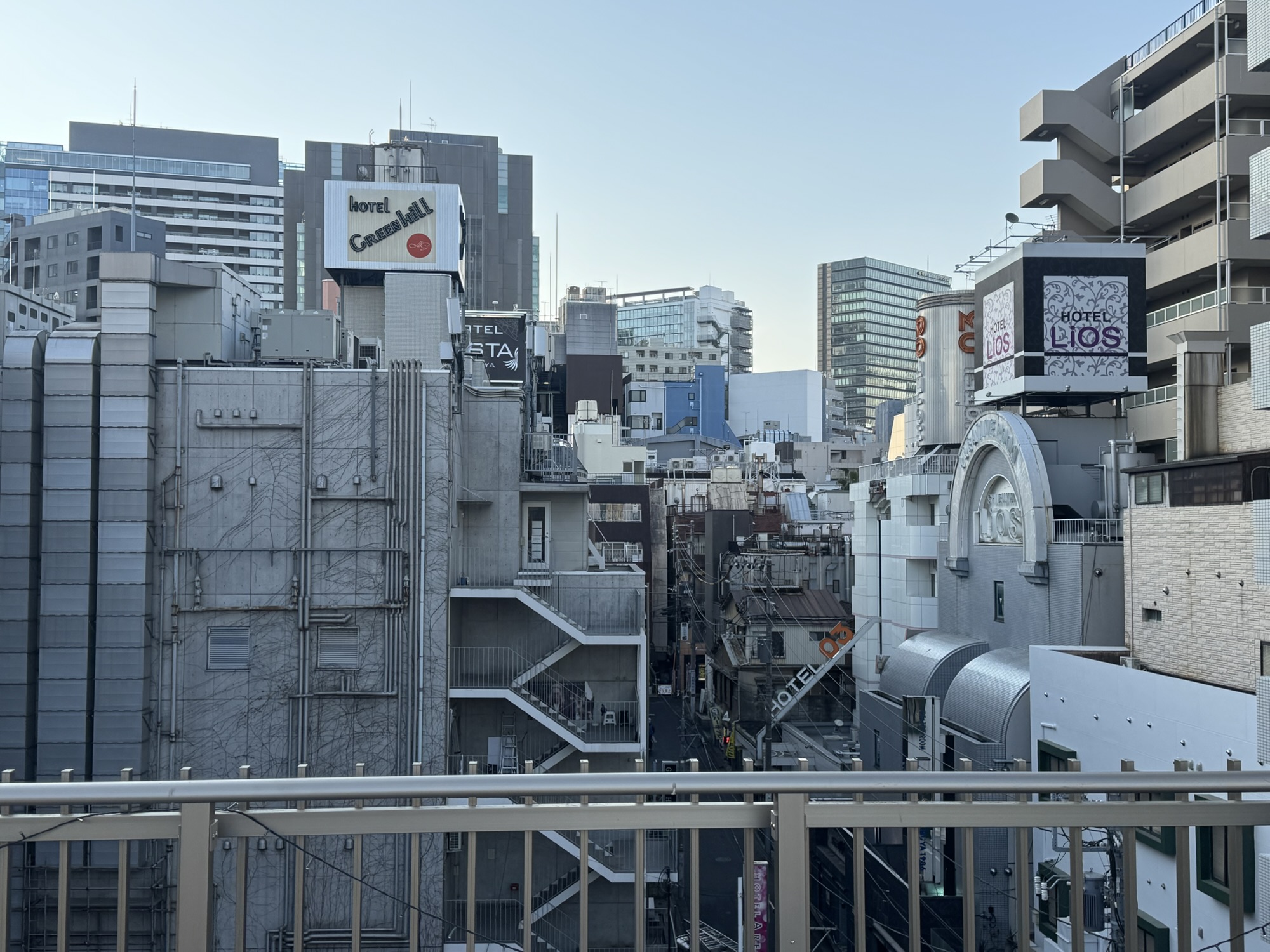
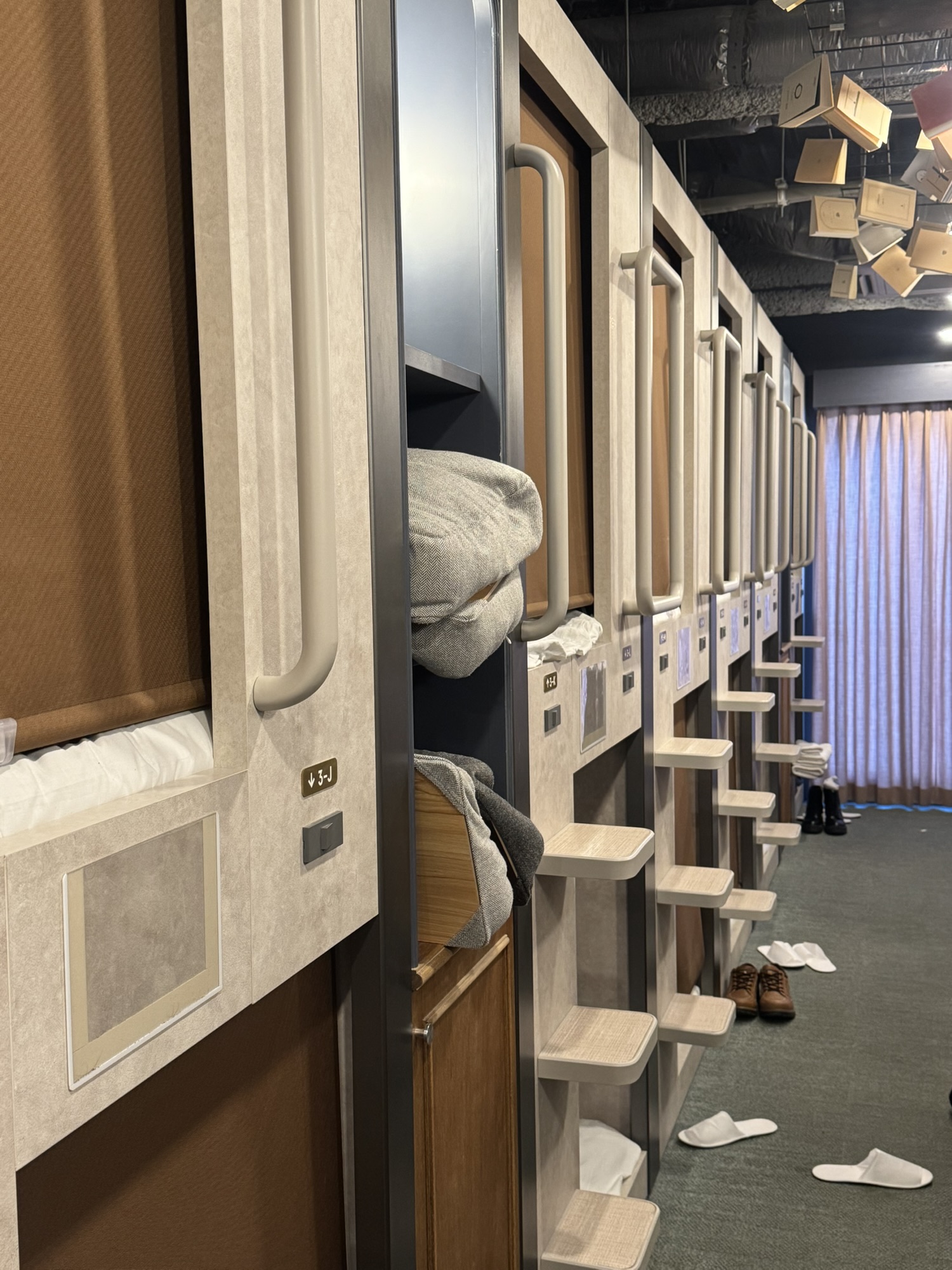
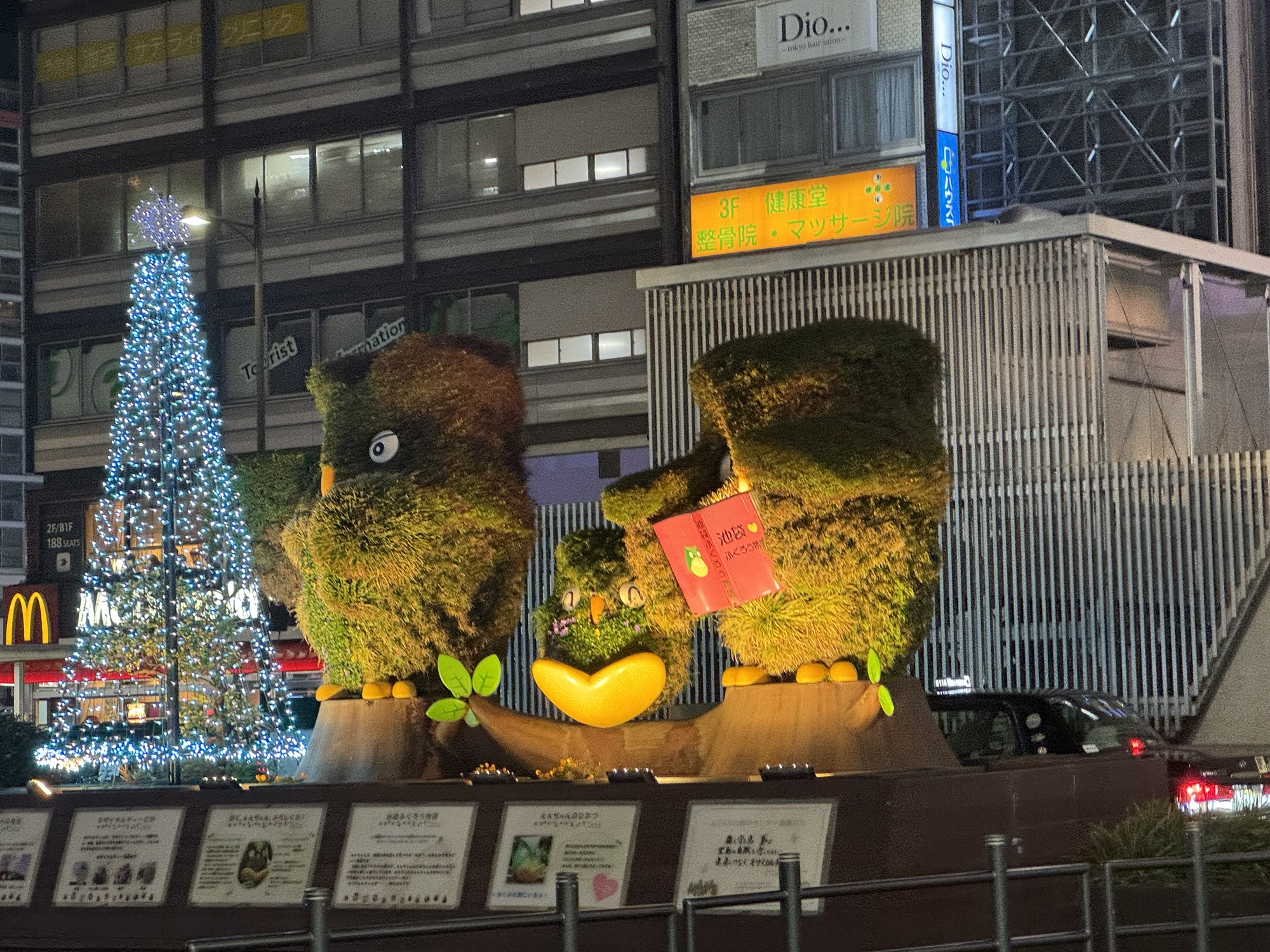
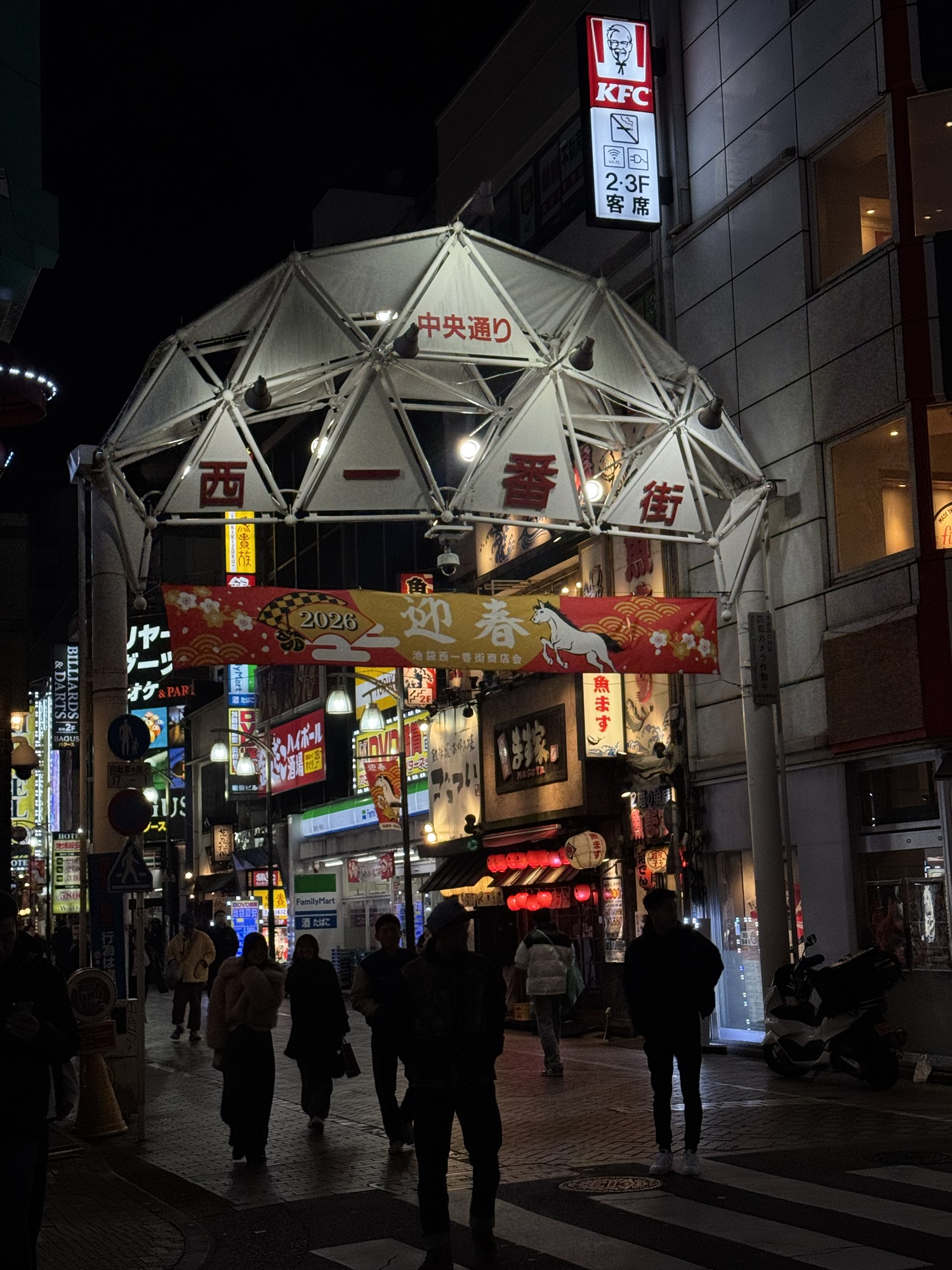
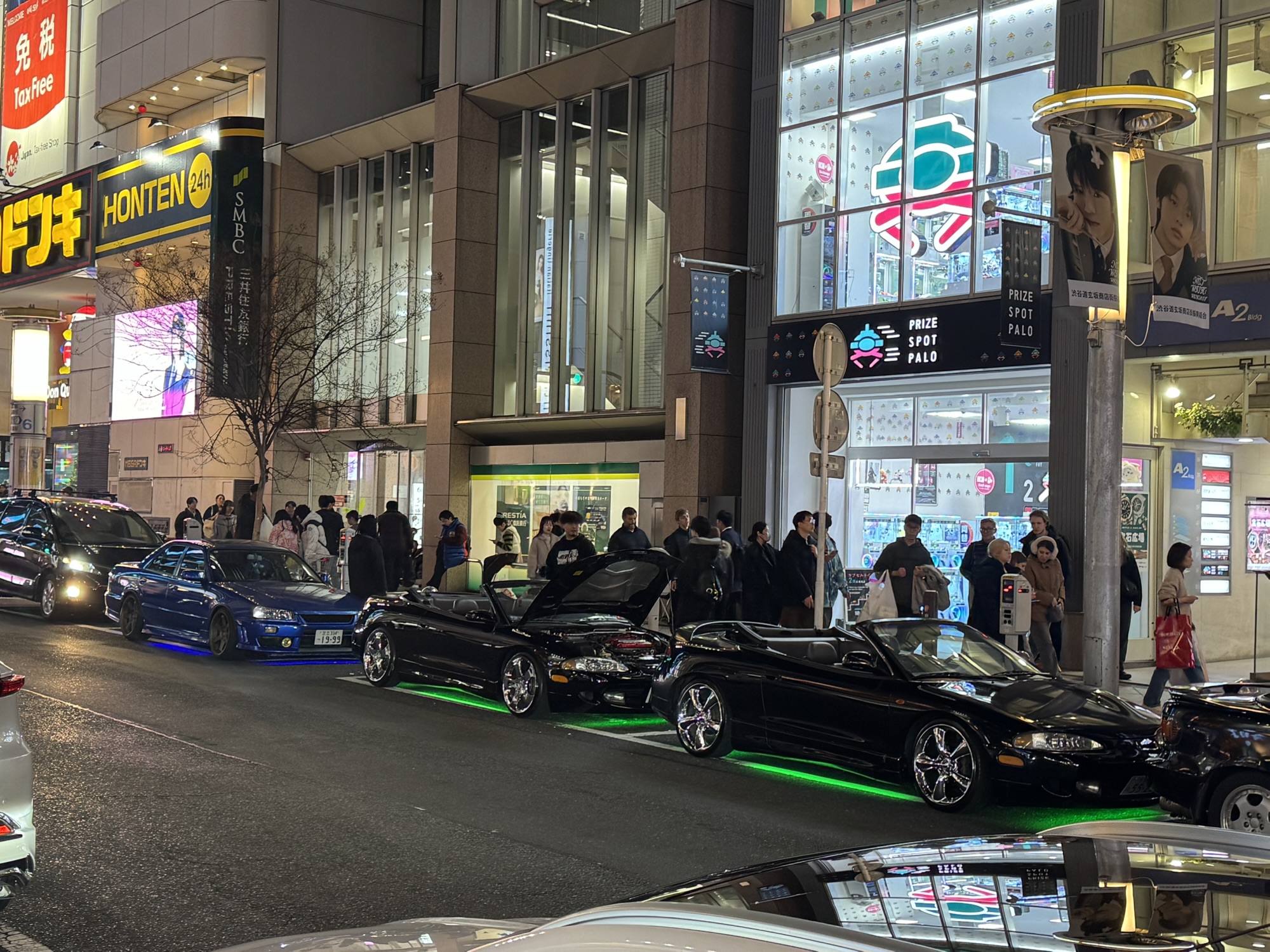
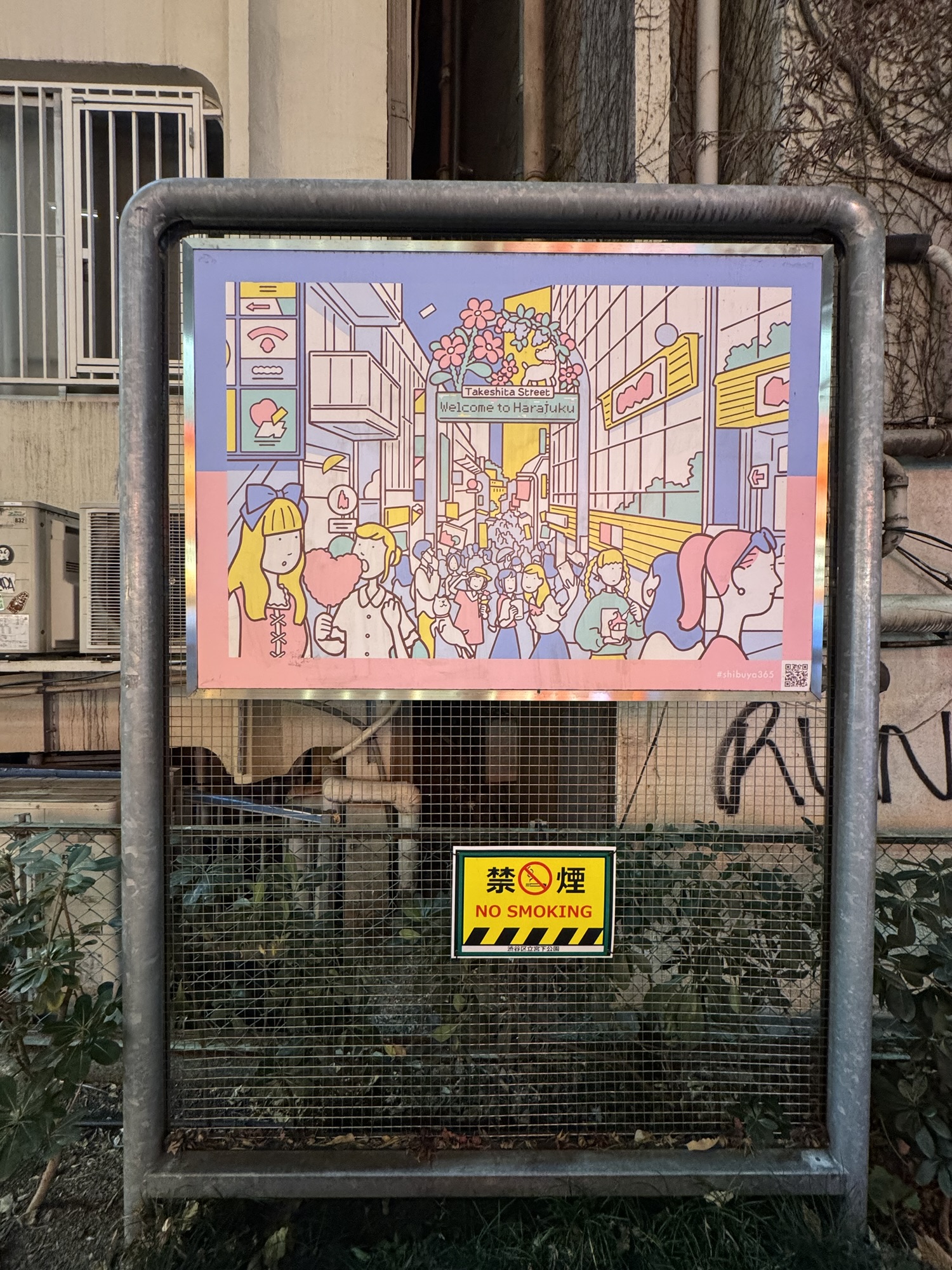
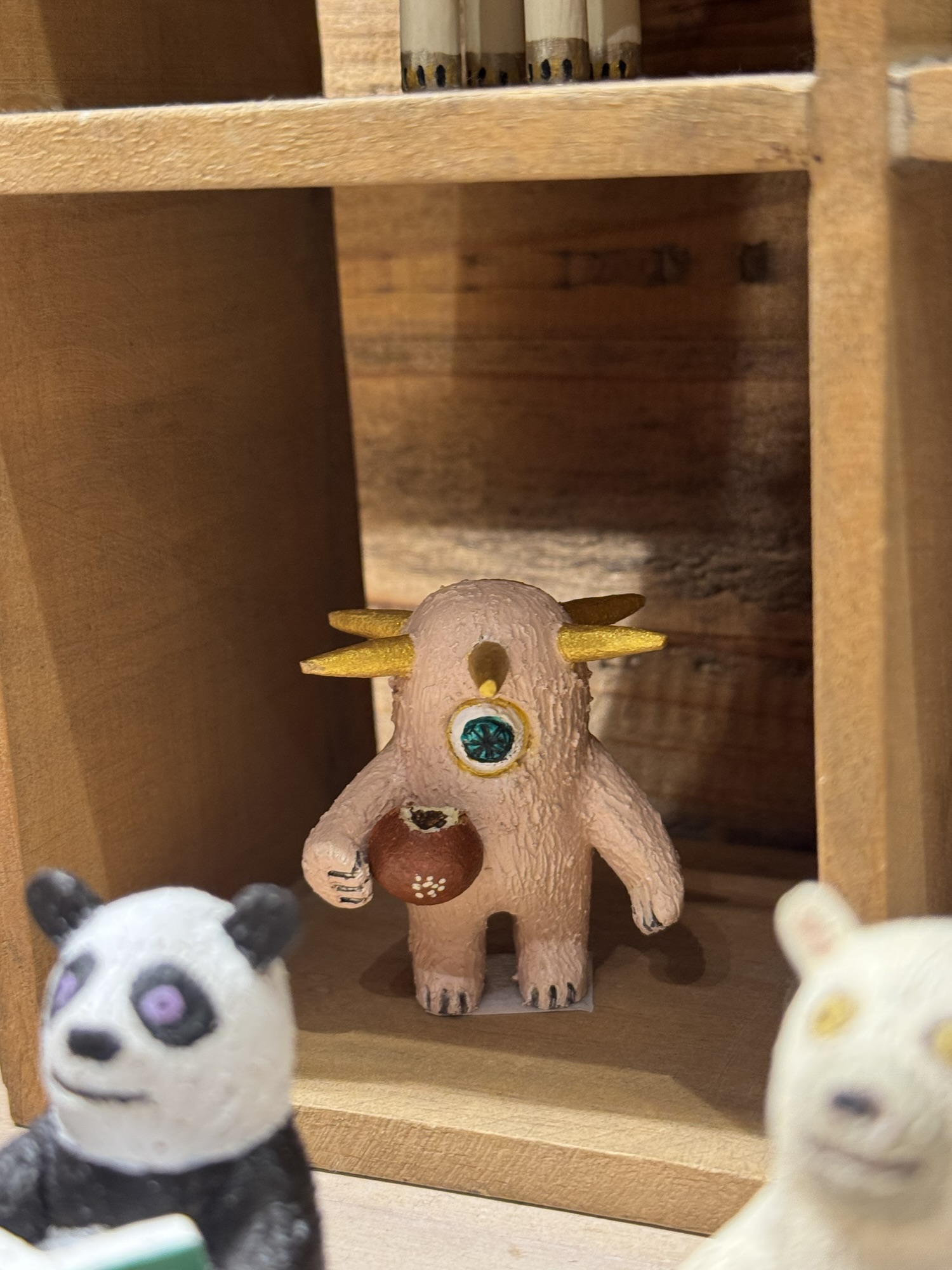
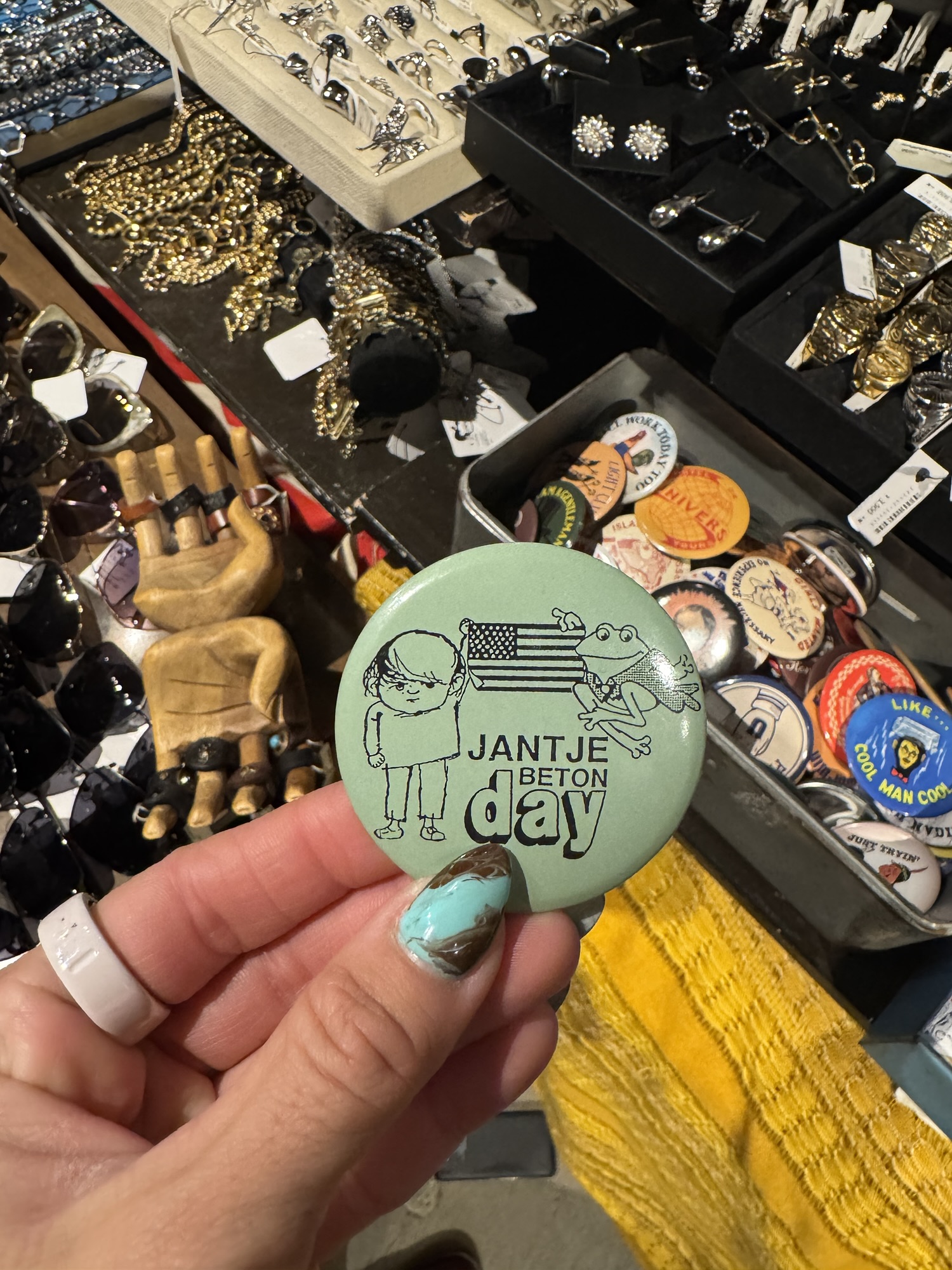
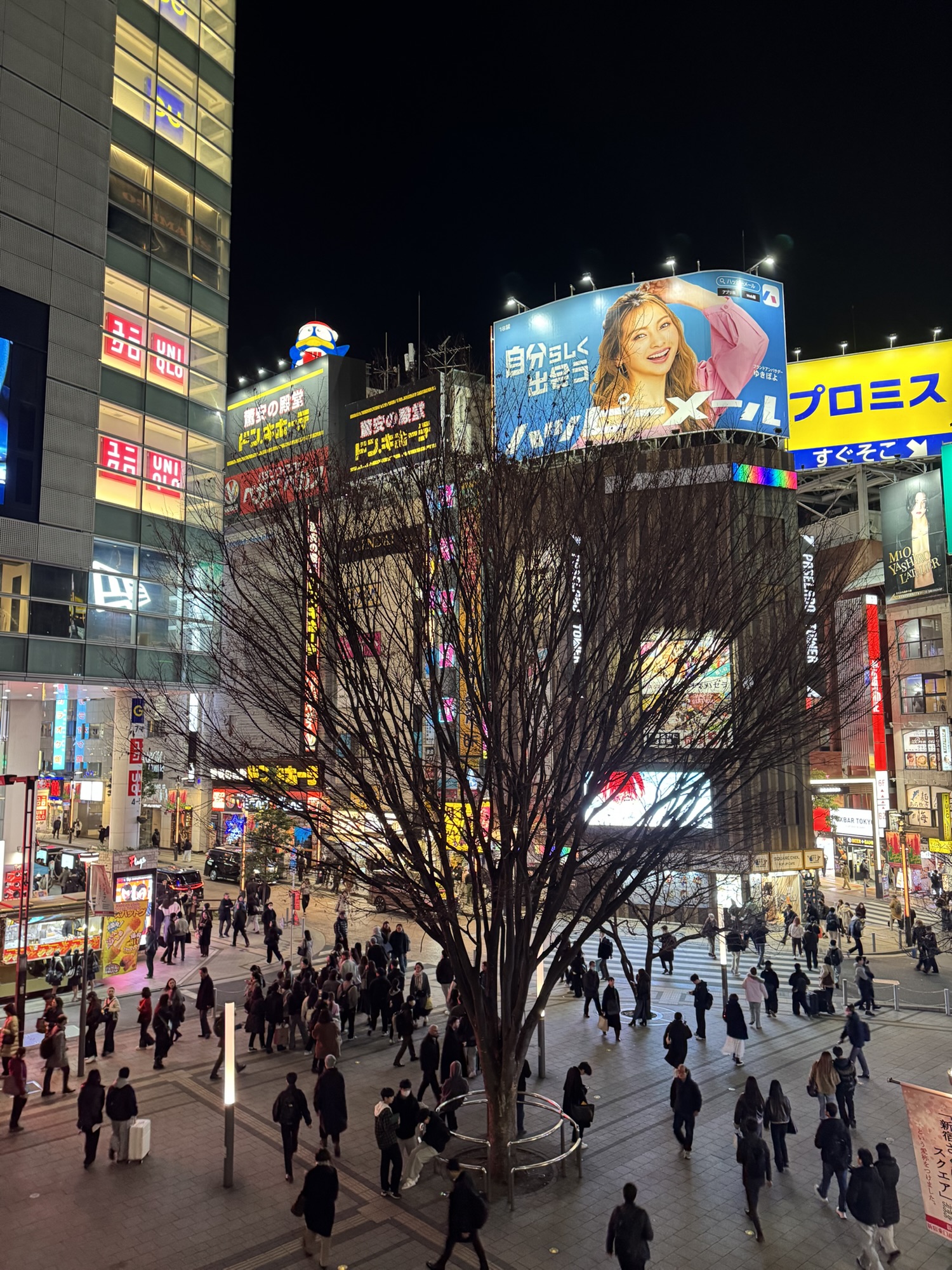
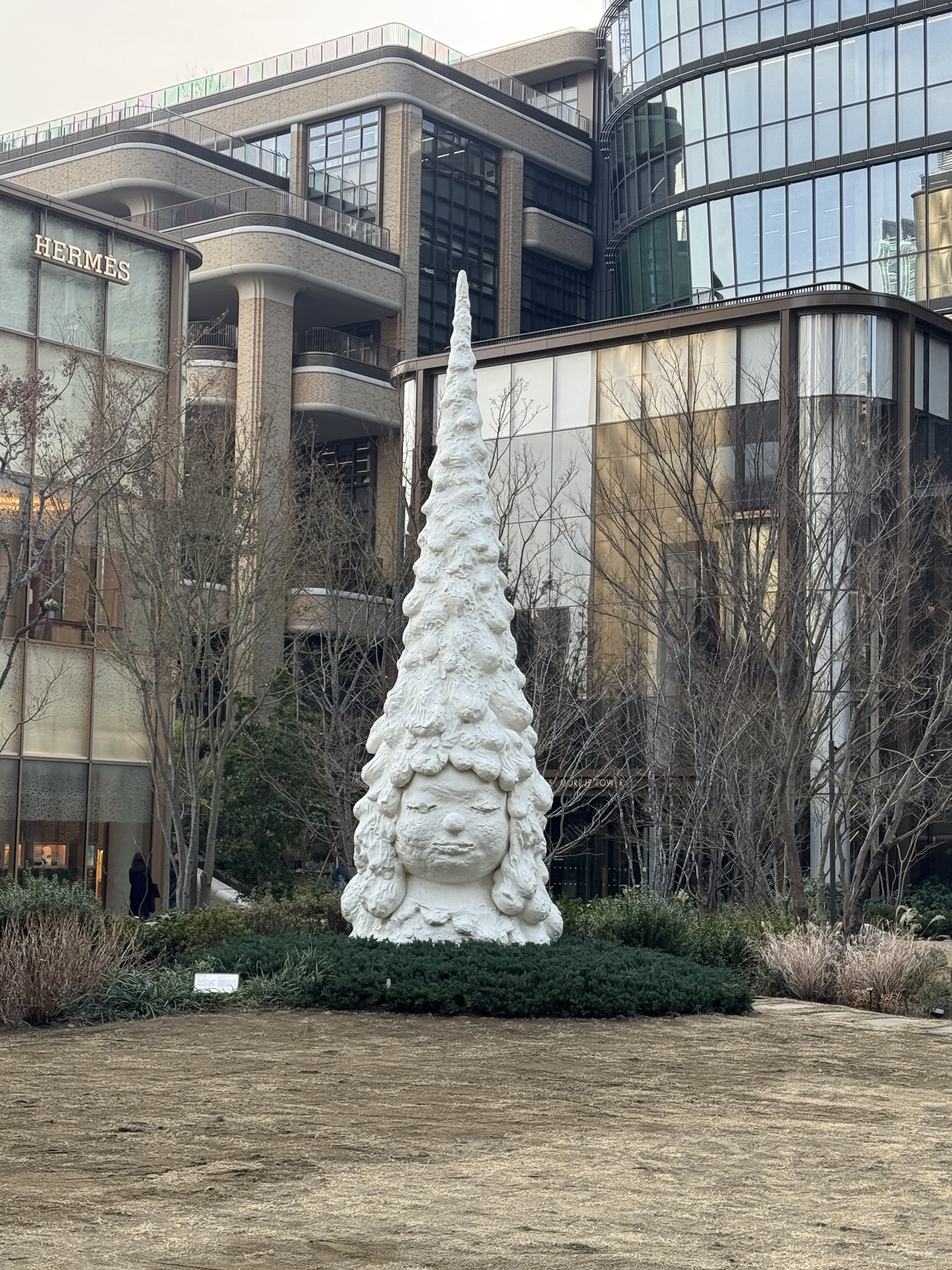
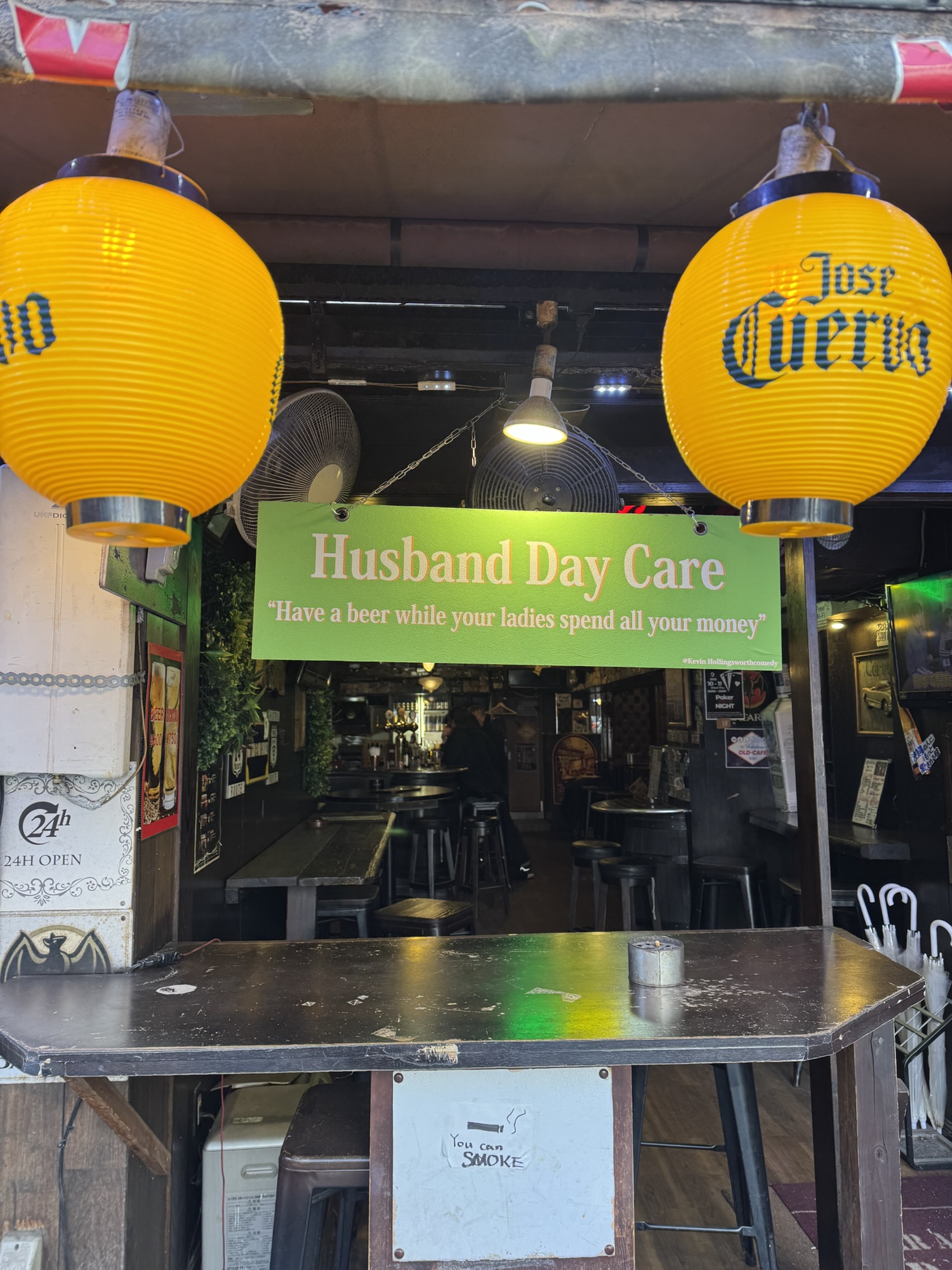
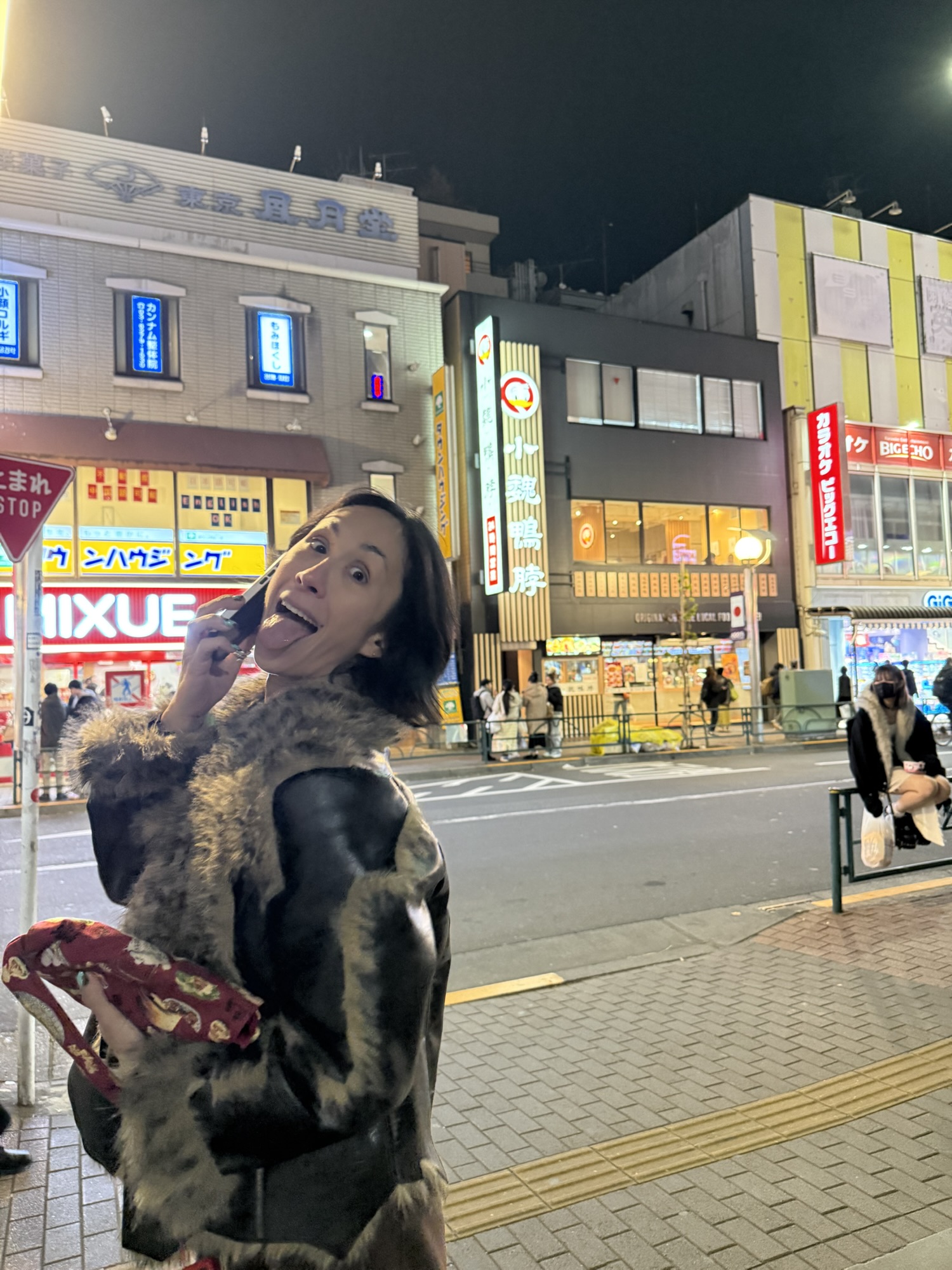
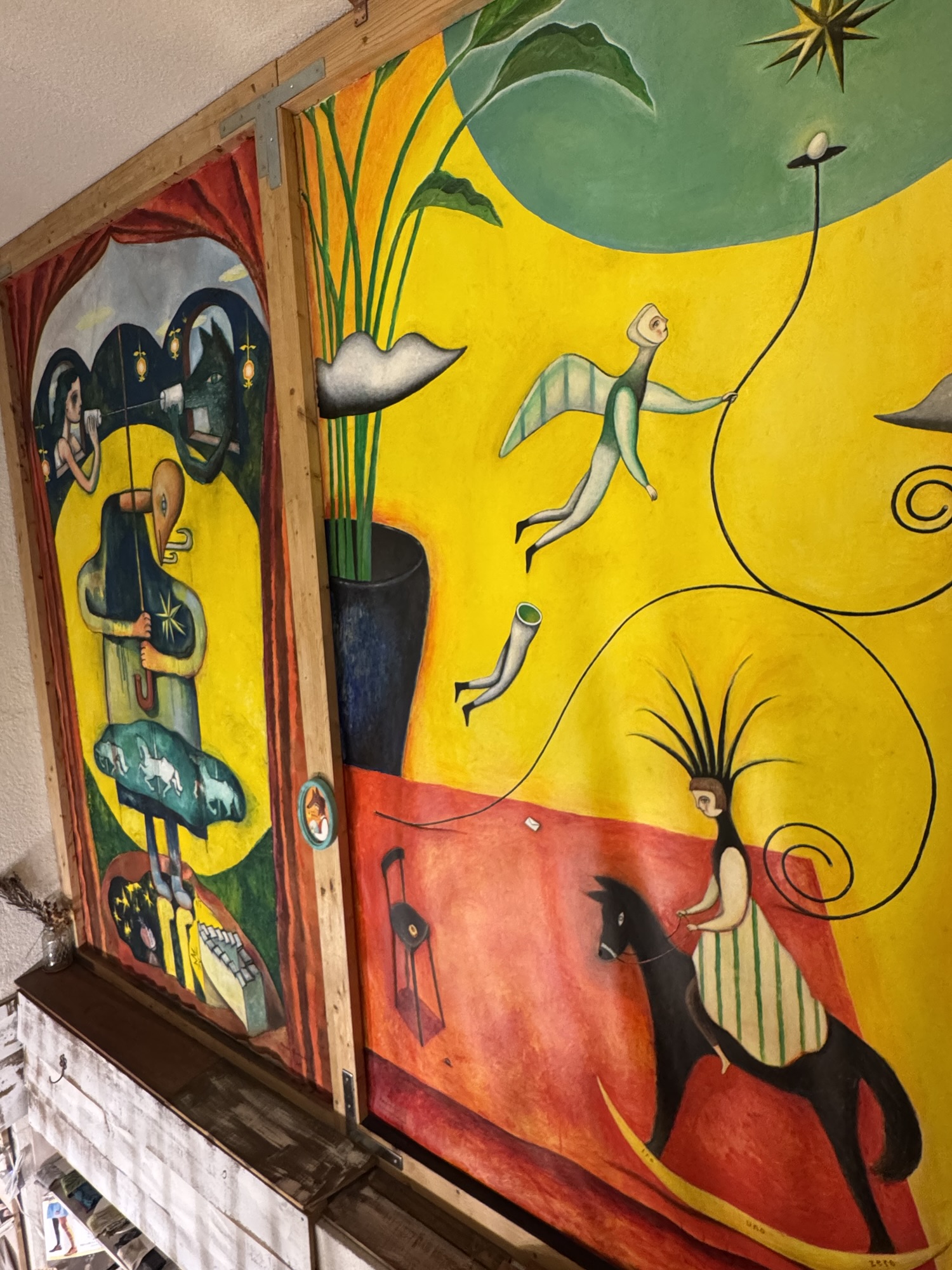
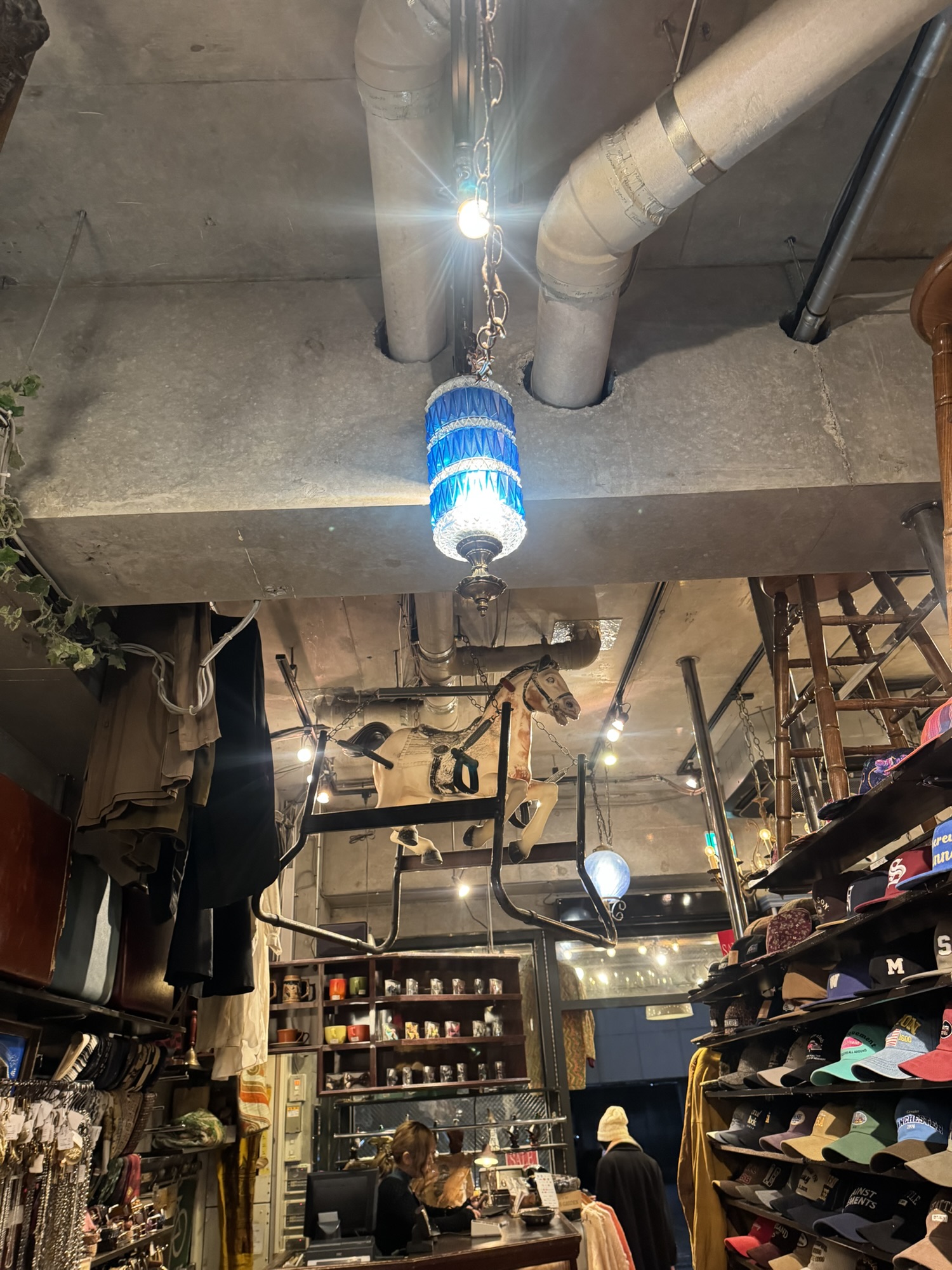
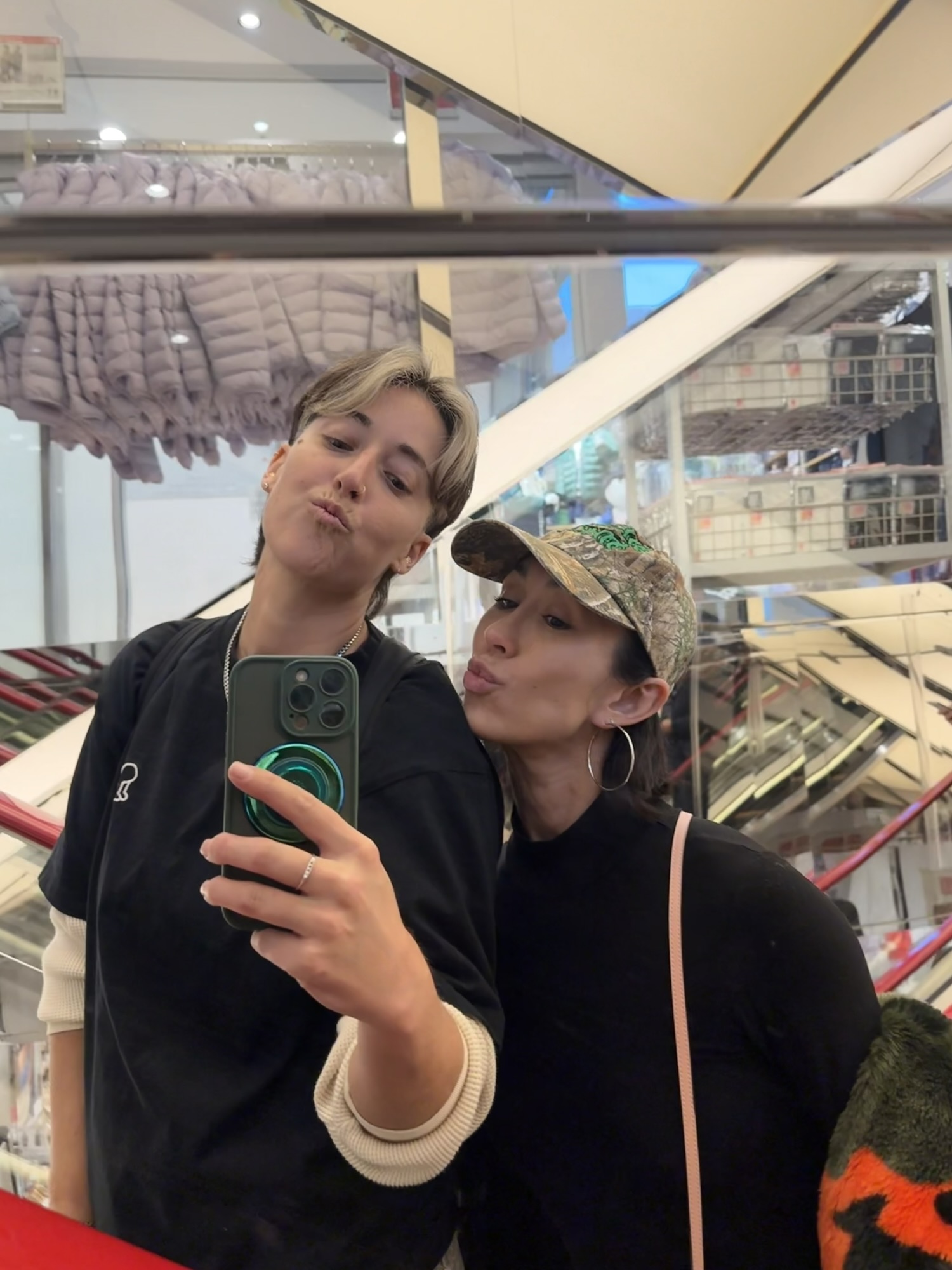
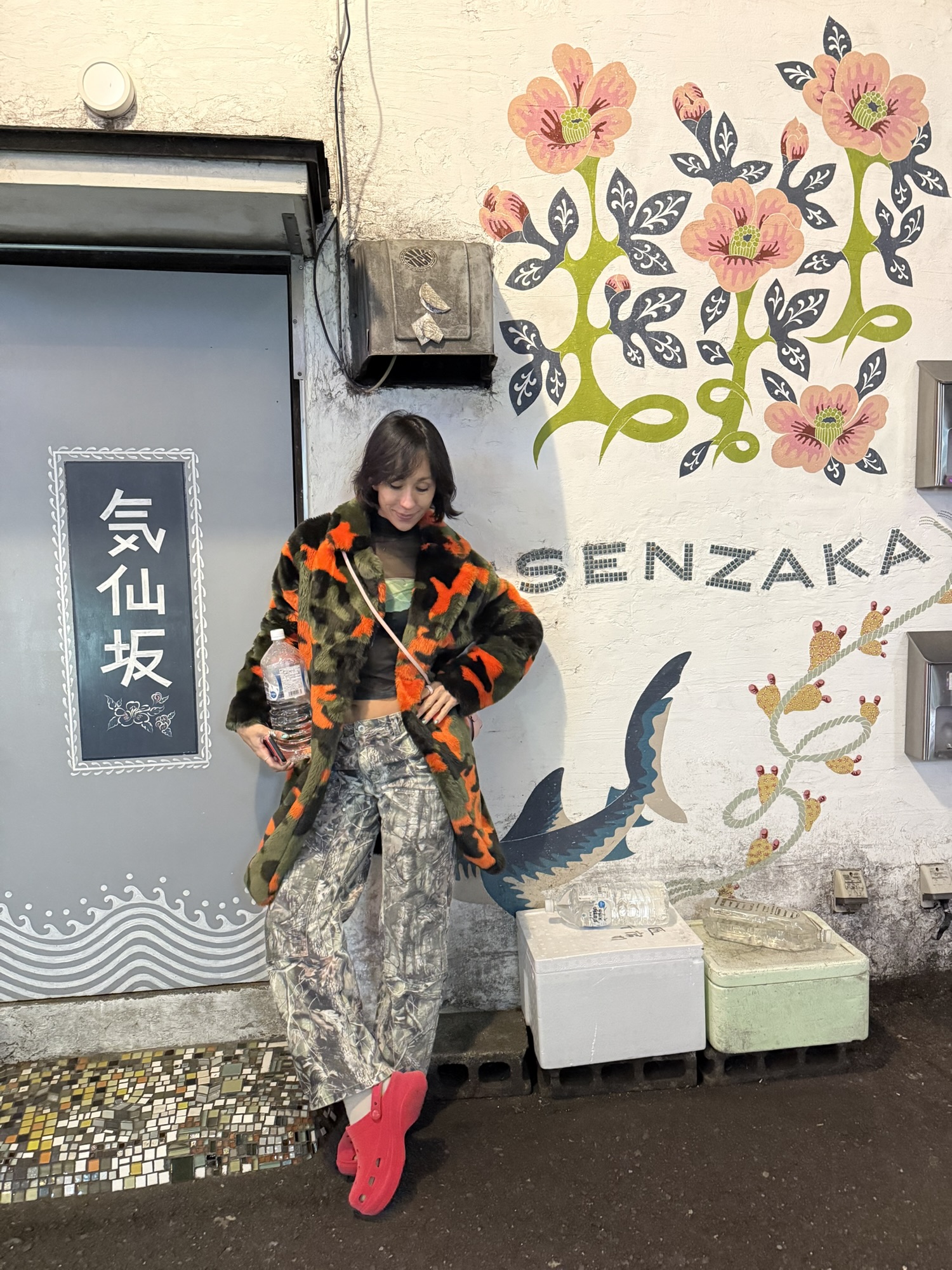
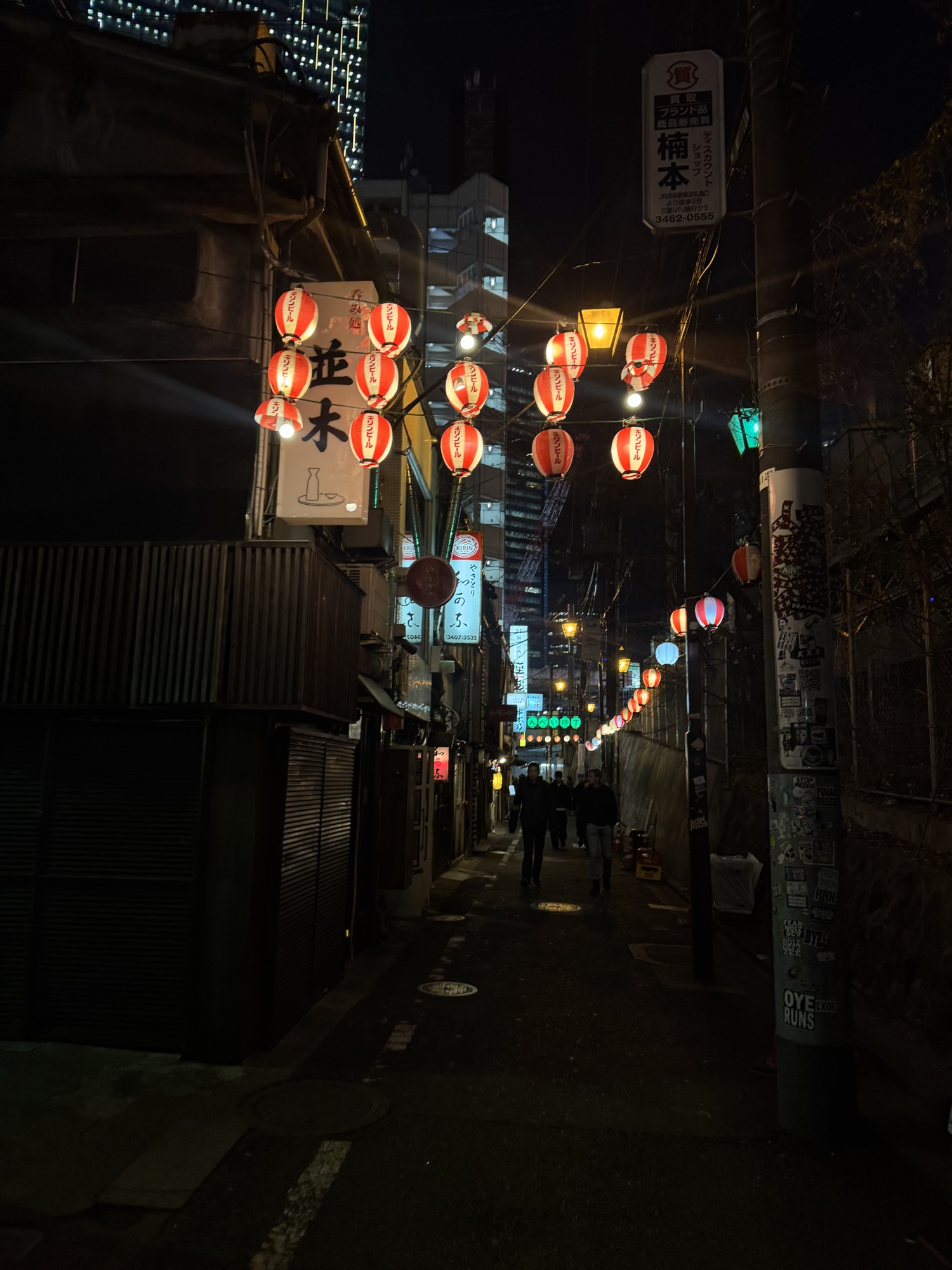
- Best Areas for Shopping:
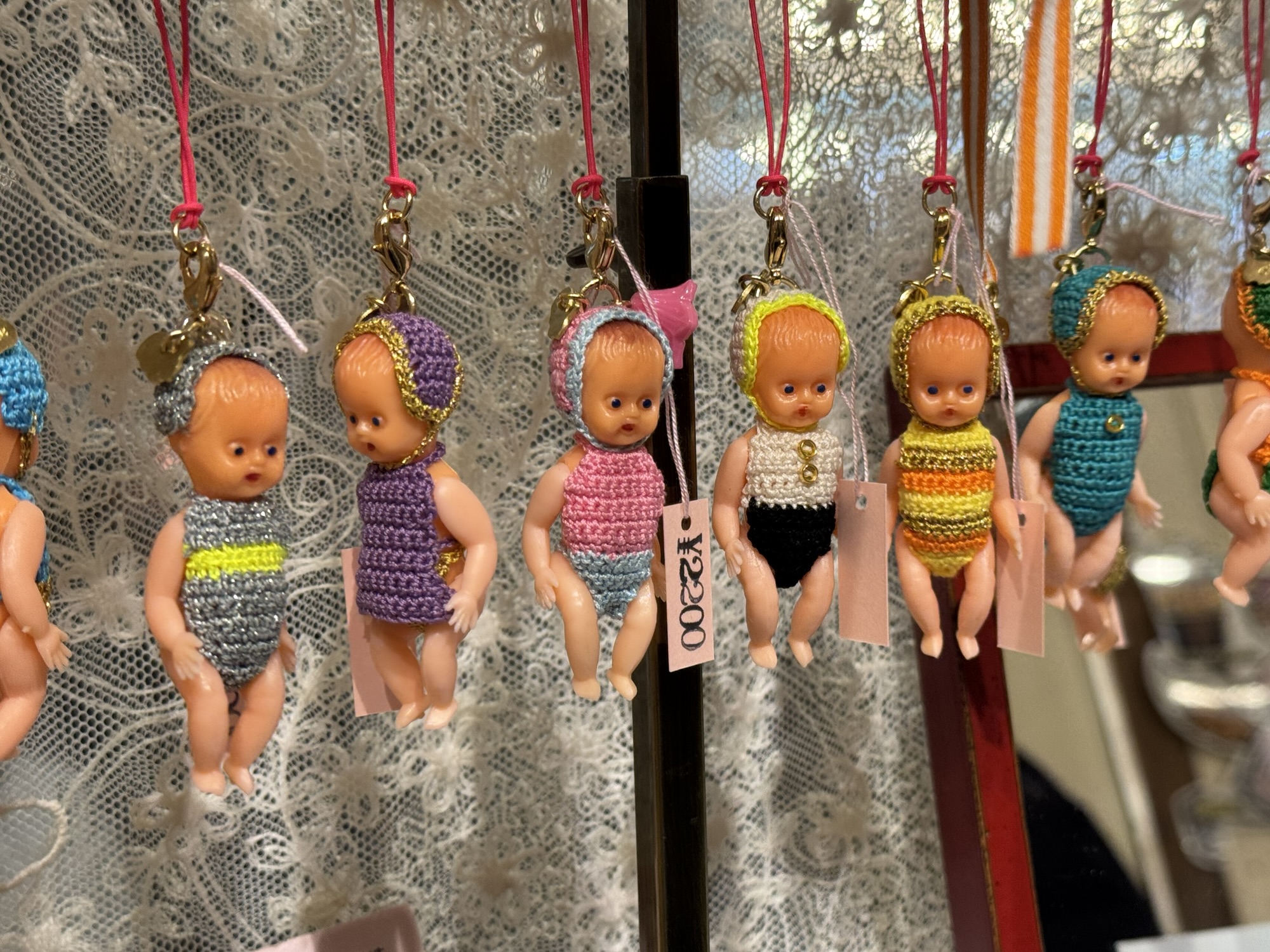
- Shimokitazawa
- Ginza
- Harajuku
- Best Areas for Sight-Seeing
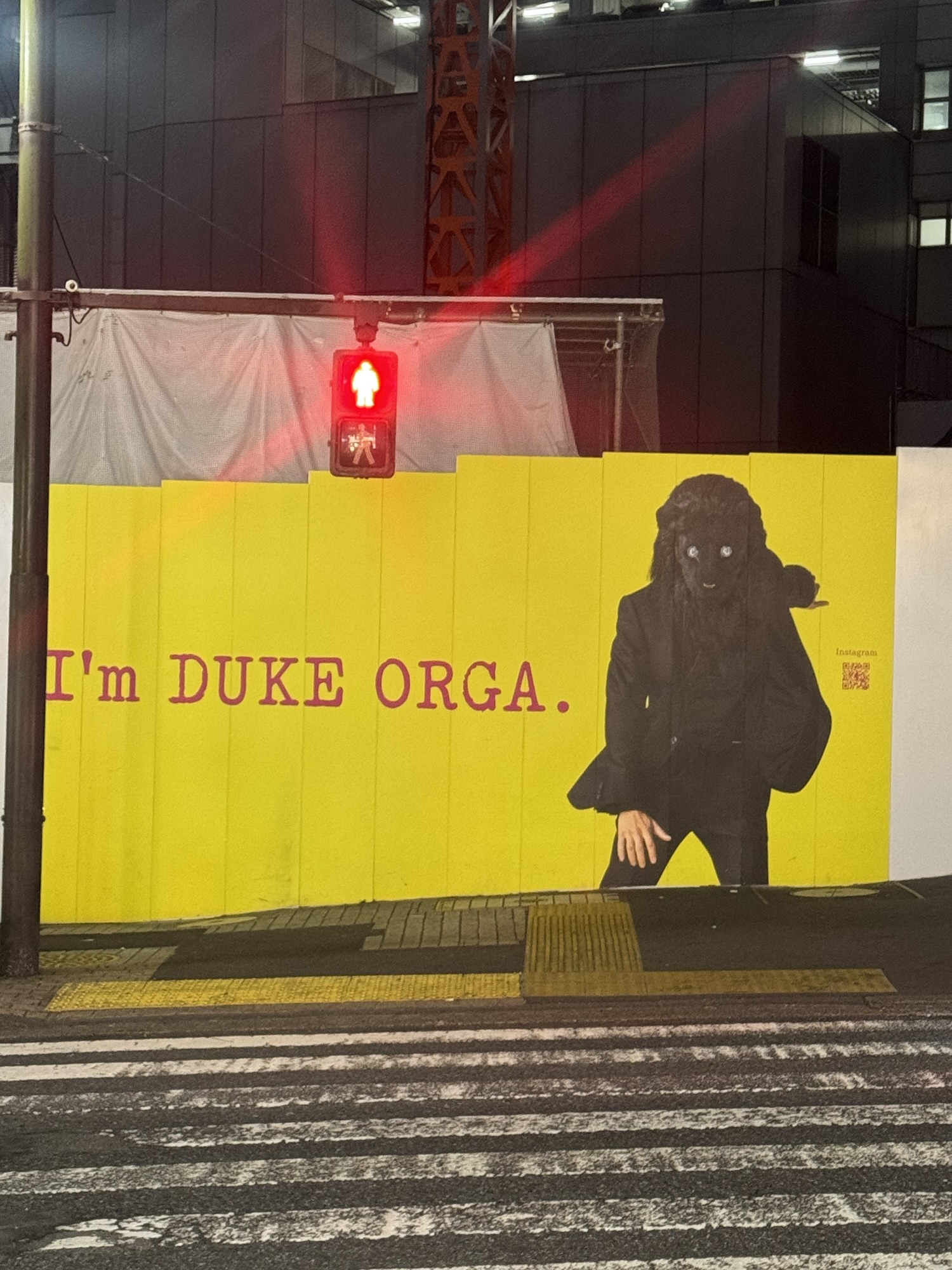
- Shibuya Crossing
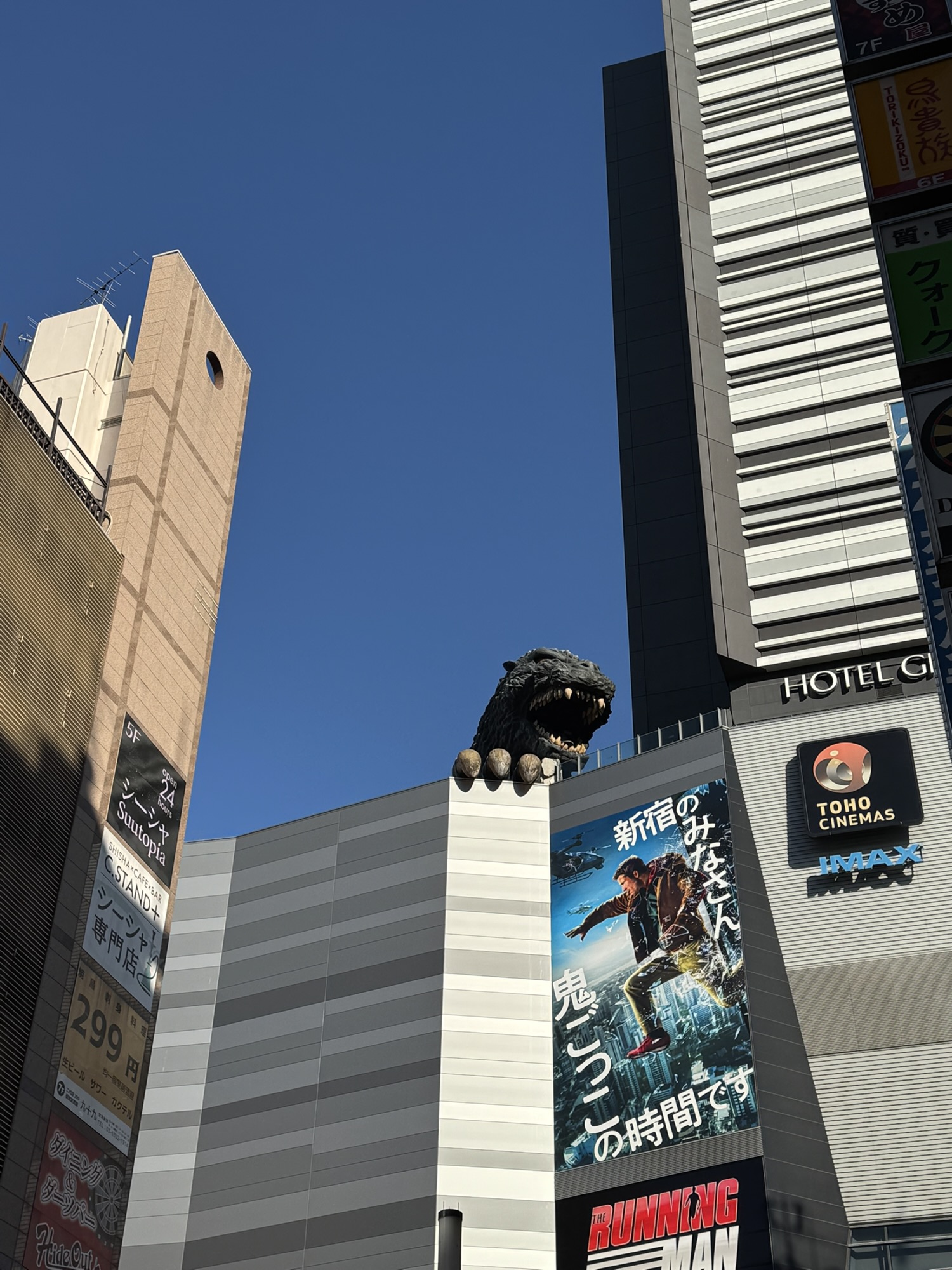
- Shinjuku 3D Cat
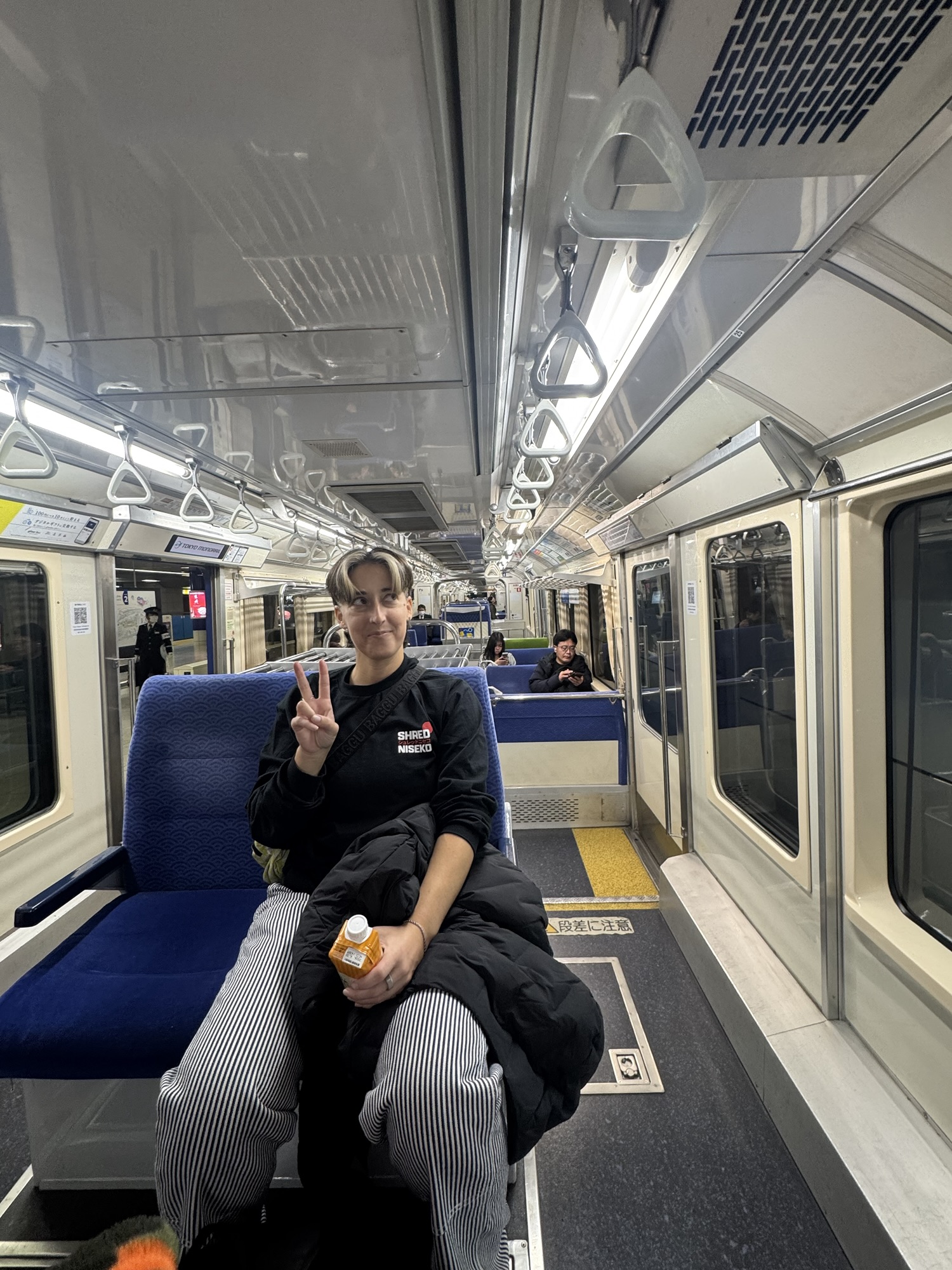
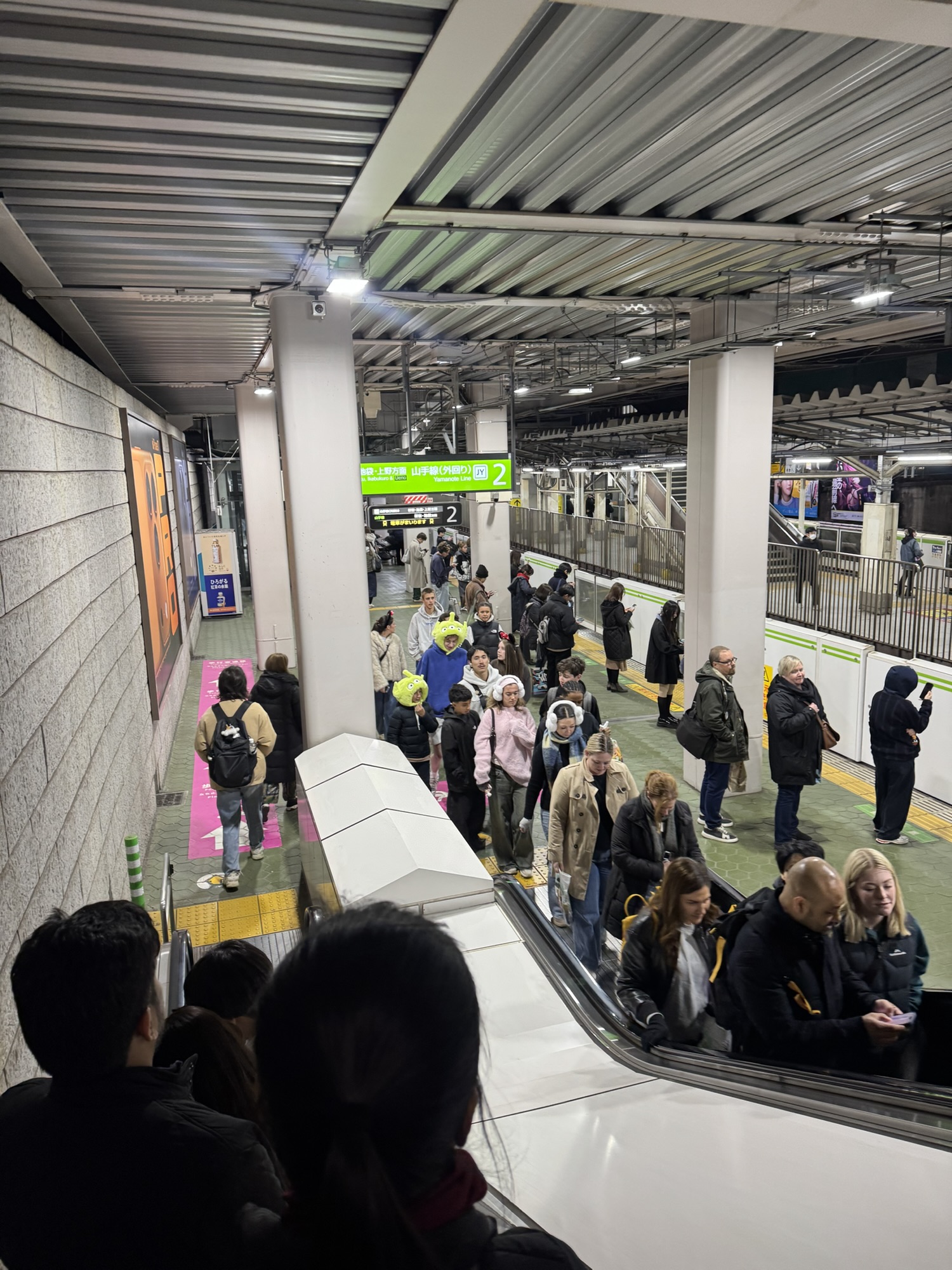
- The Tokyo Metro
- Where To Stay
- Capsule Hotel
- Shinjuku Airbnb
Thanks for reading, everyone! Feel free to leave any questions or comments below.
 thexiao longblog